
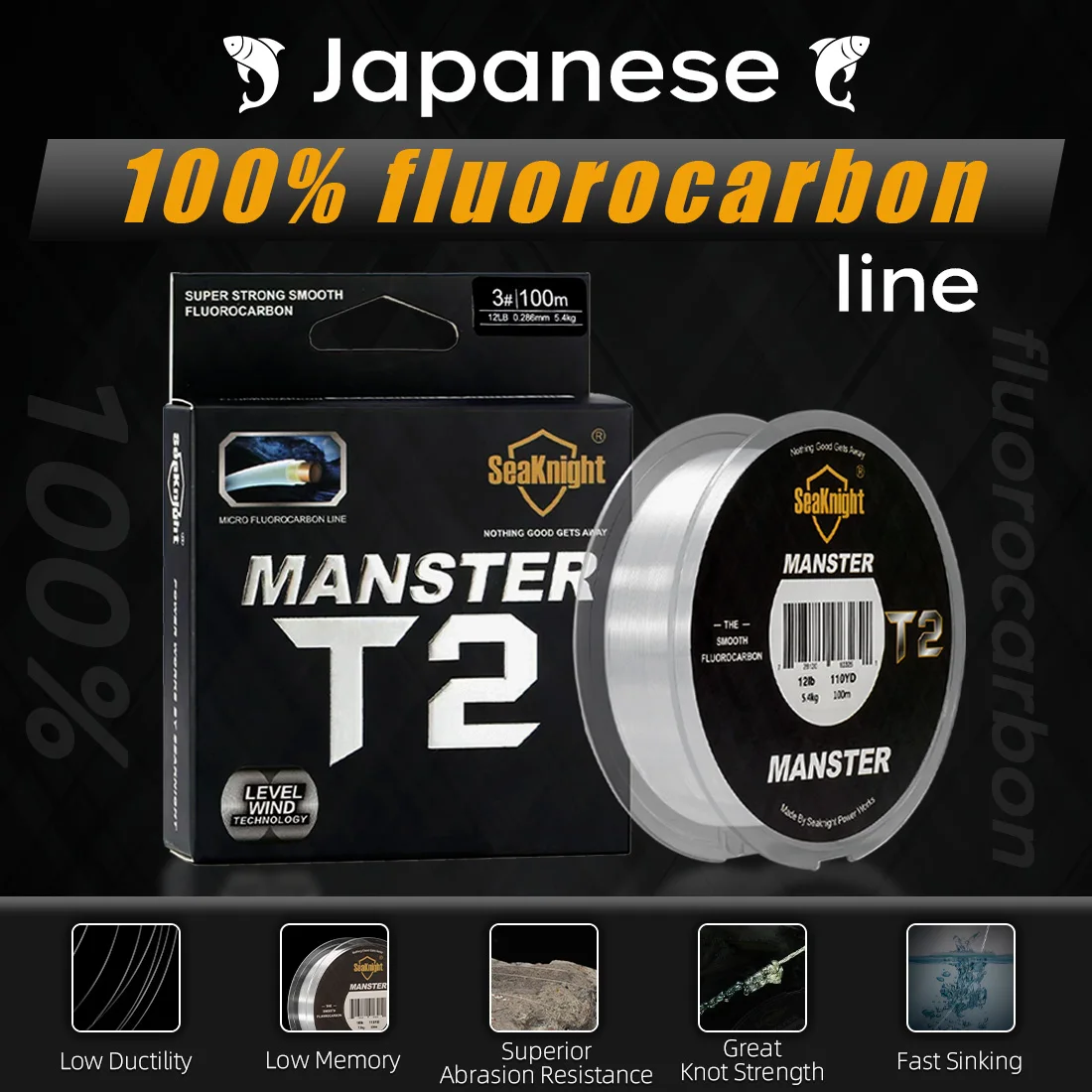
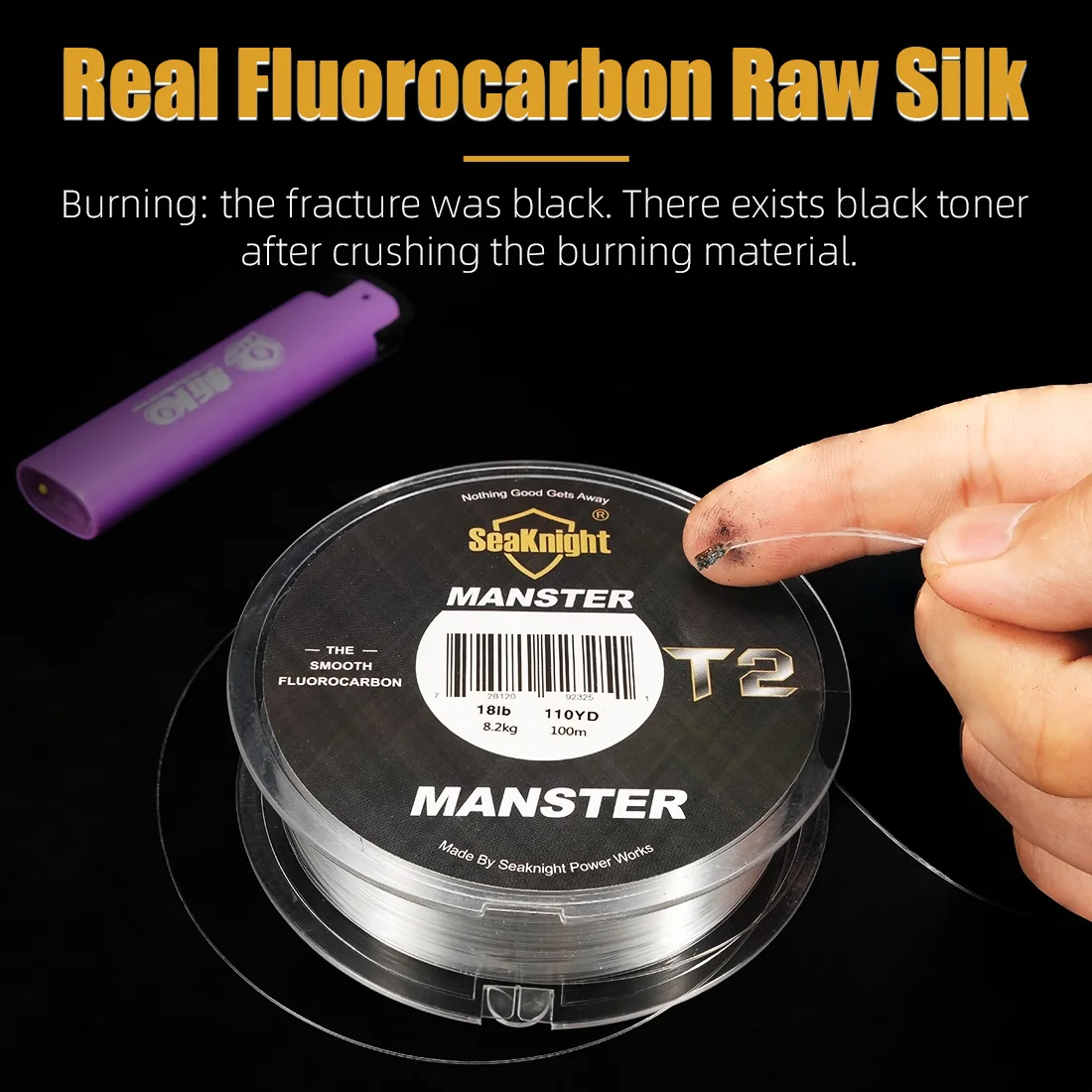
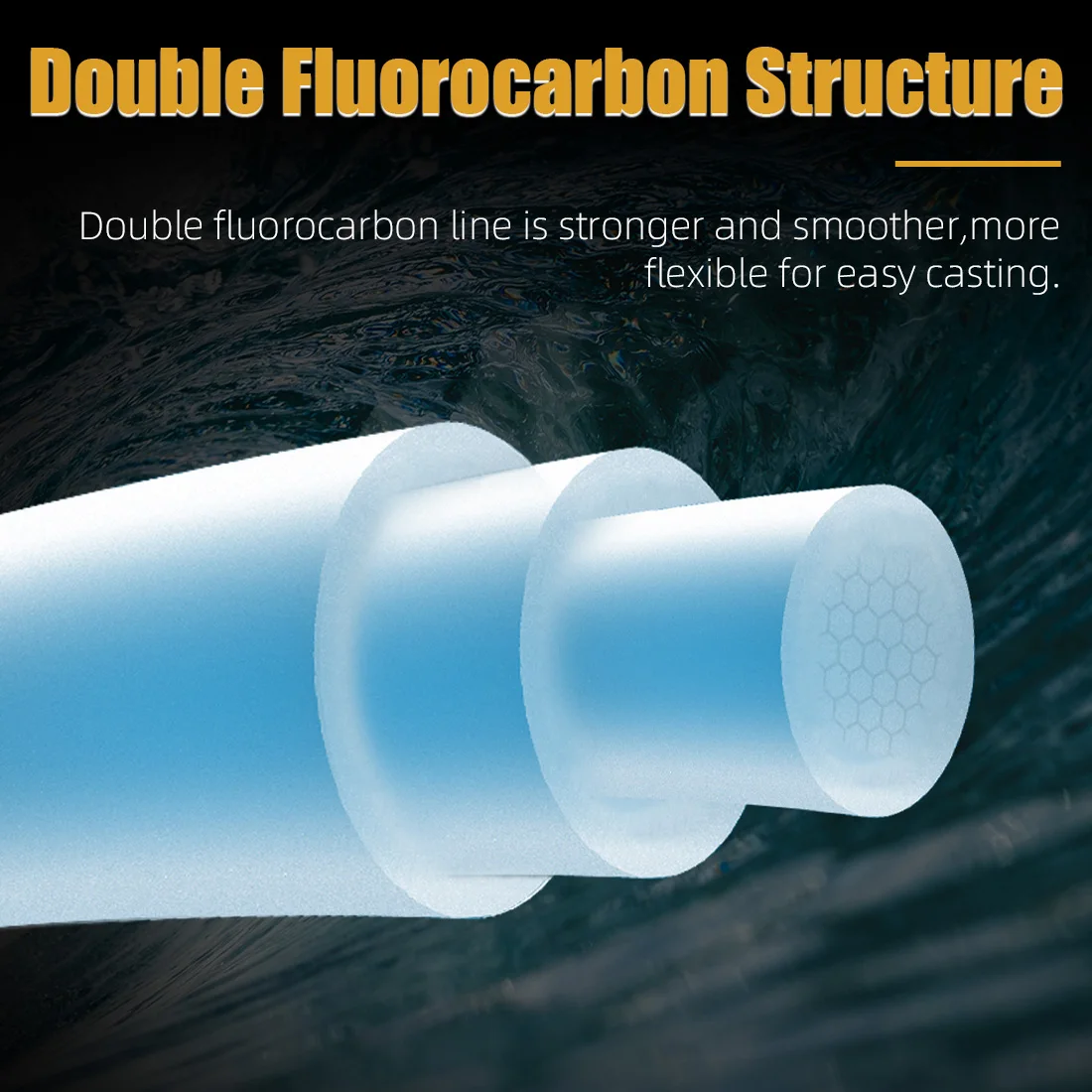
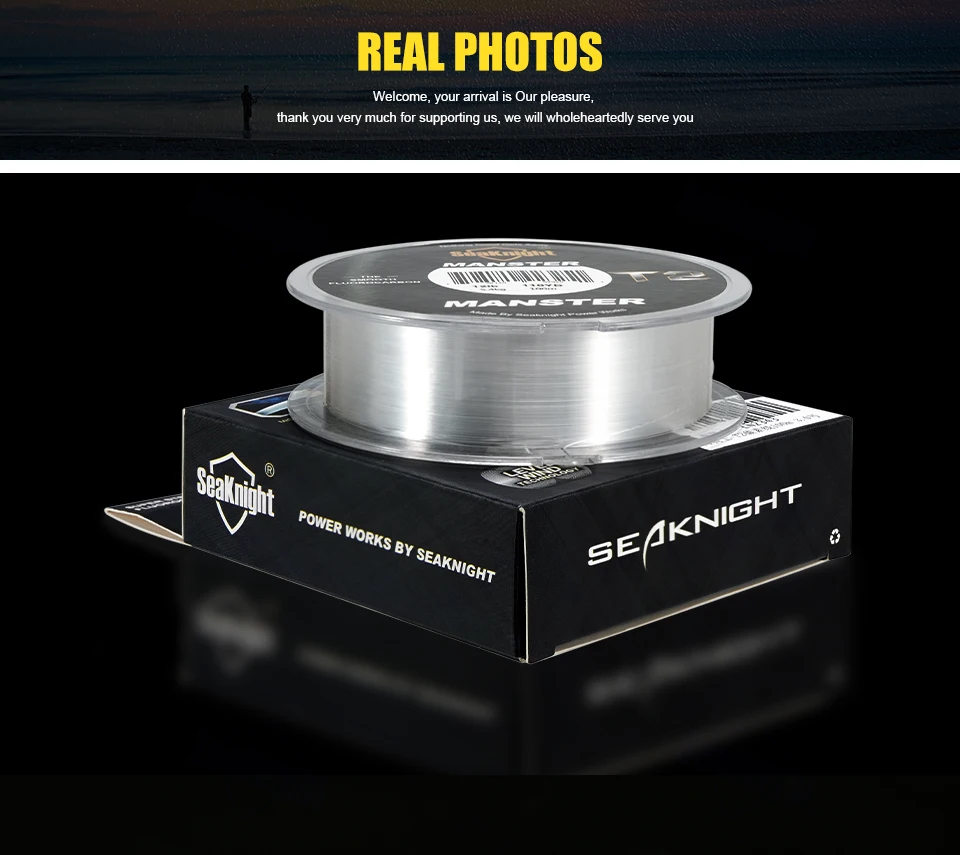
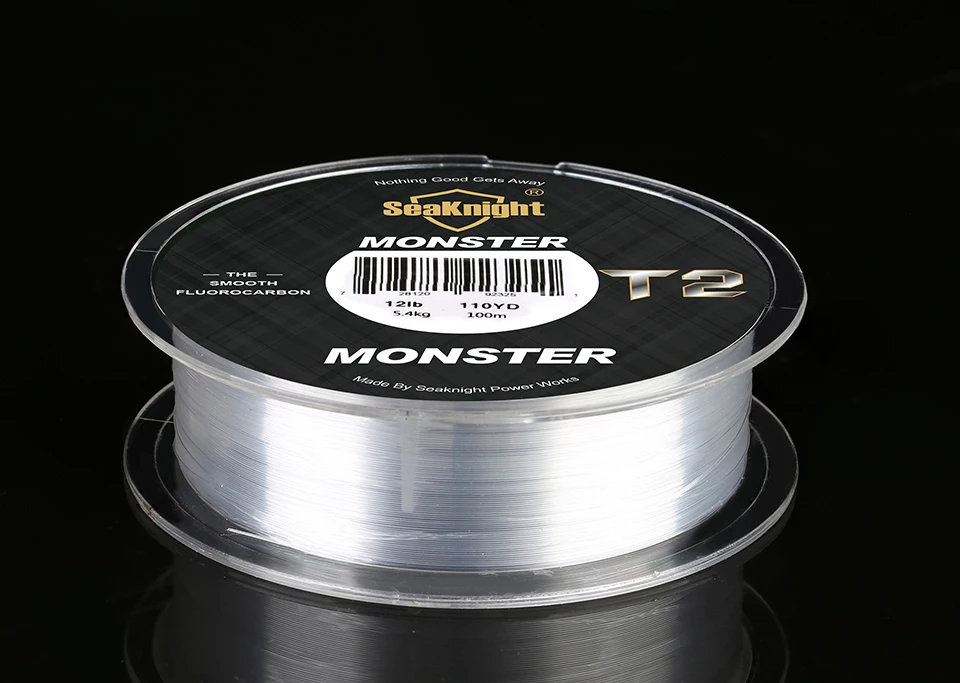
If you fish clear water (or pressured fish) and you’re sick of watching bass, perch, pike or trout follow… then politely refuse… then vanish like you imagined the bite, the SeaKnight MANSTER T2 fluorocarbon fishing line is exactly the sort of “boring” kit that quietly fixes your day. It’s a clear, sinking fluorocarbon option that’s built for stealth, decent abrasion resistance, and that crisp “tick” feeling when a fish mouths your bait instead of steamrolling it.
Before we get into it: no line is magic. If your drag is locked down like you’re winching an engine block, you’ll still ping fish off. But used properly, SeaKnight MANSTER T2 fluorocarbon fishing line can make your presentation cleaner and your bite detection sharper — especially when you’re working bottom contact baits, jerkbaits, or finesse rigs.
 Why This “Lure” Works
 Why This “Lure” Works
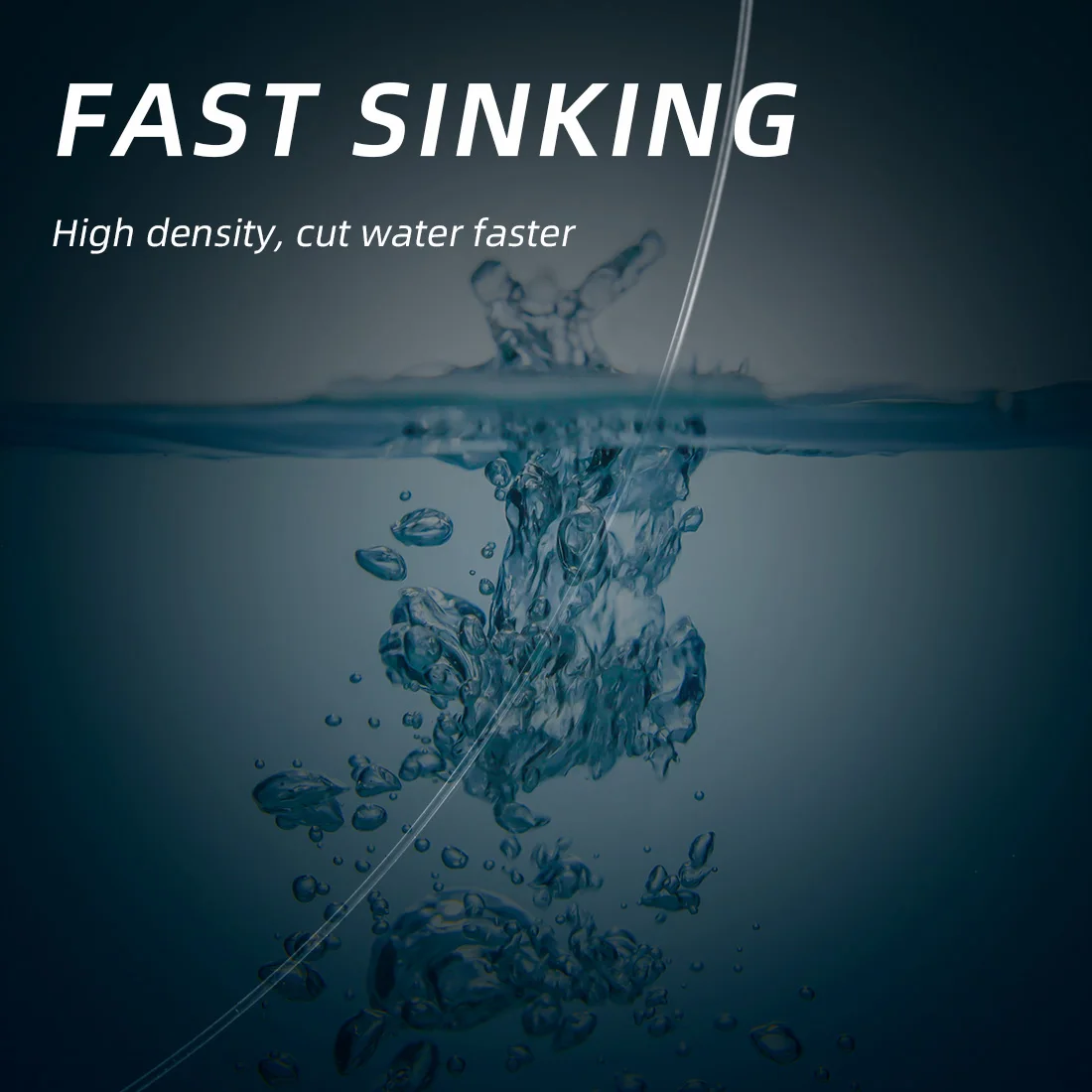
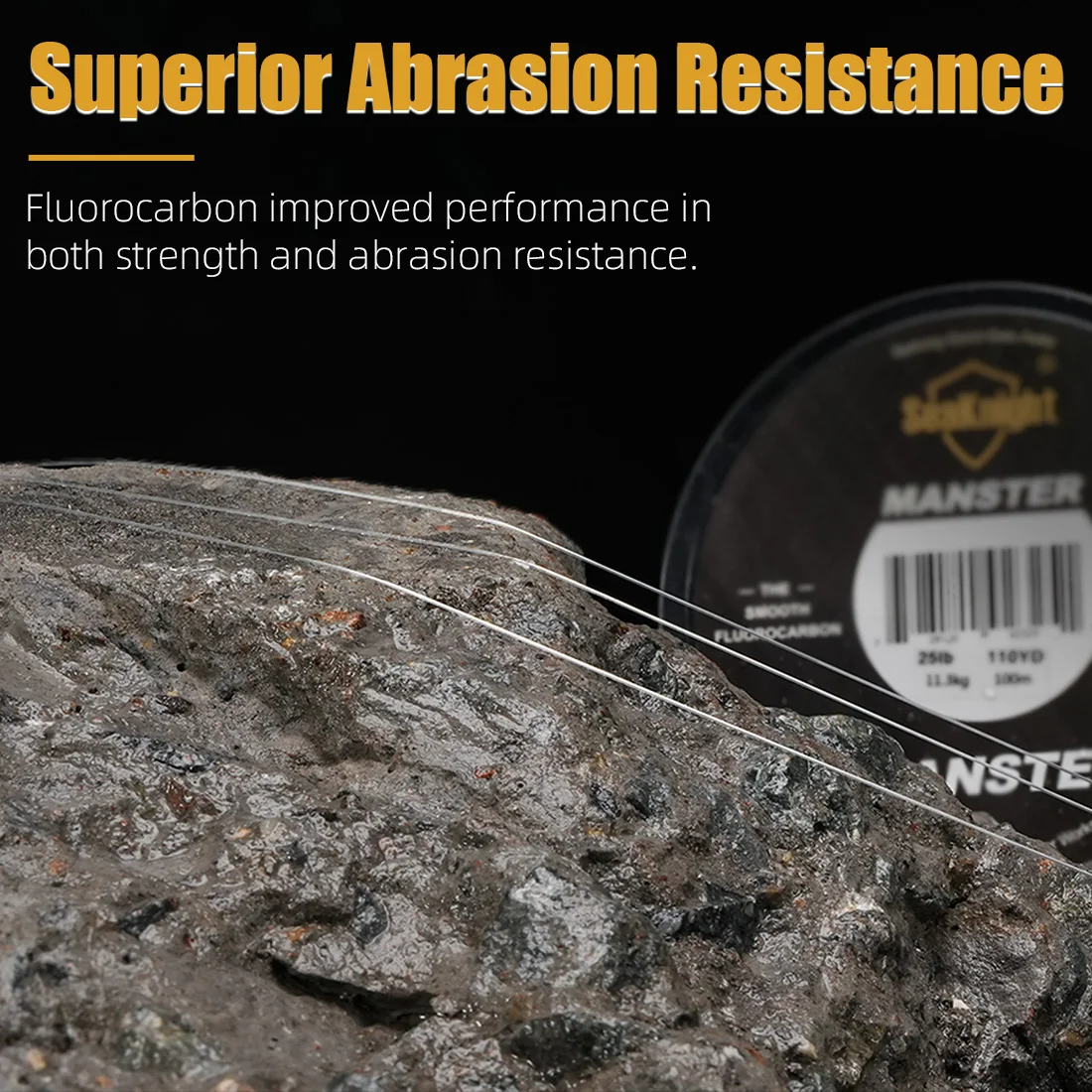
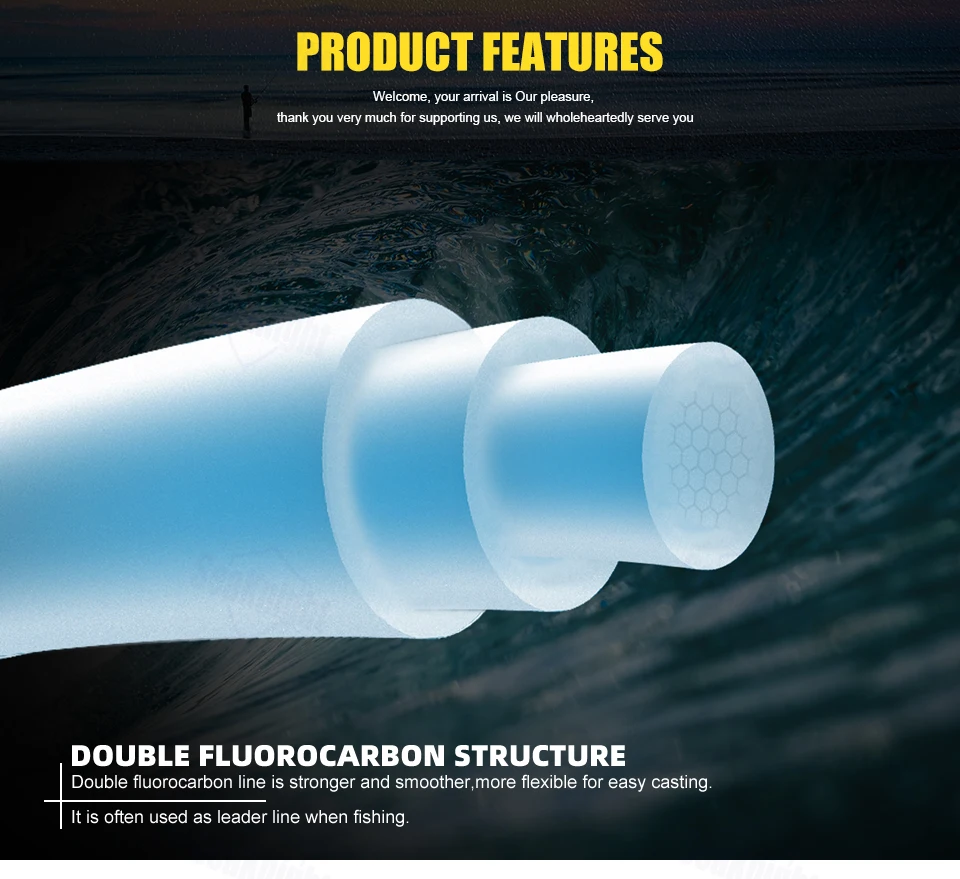
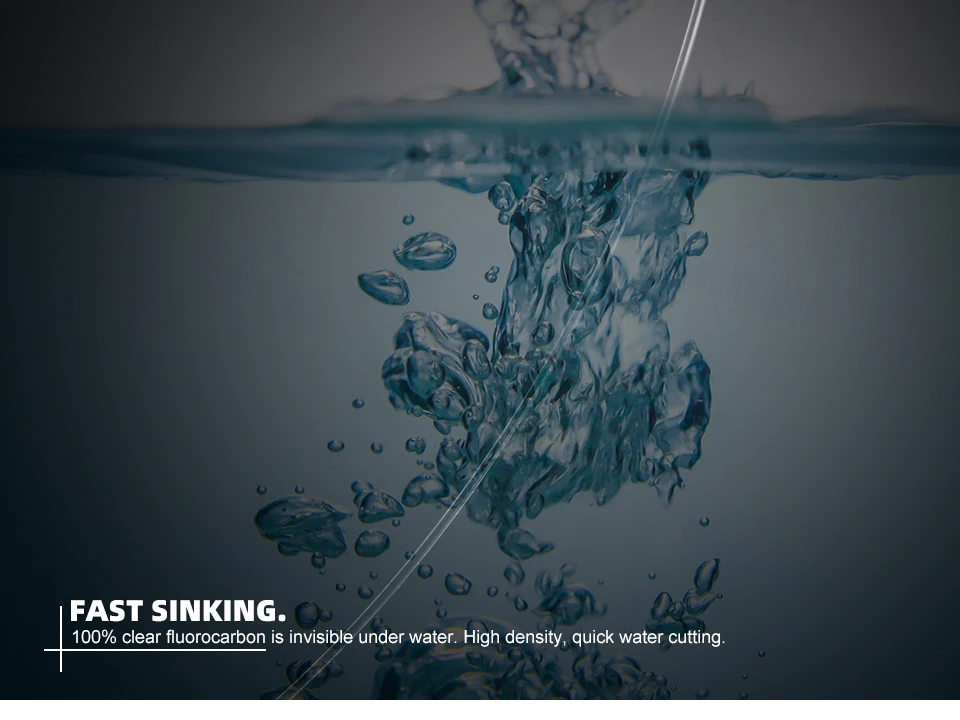
Yeah yeah, it’s not a lure — but it absolutely affects how your lure behaves. Fluorocarbon sinks, it’s low-visibility in water, and it generally has better abrasion resistance than standard mono. That means your bait tracks a touch deeper and stays in the zone longer, and your line is less likely to look like a bright tow rope in gin-clear water.
With SeaKnight MANSTER T2 fluorocarbon fishing line, the real “win” is stealth plus control. If you’ve ever watched fish follow a crankbait or a soft plastic and then flare off at the last second, you already know why line choice matters. BassResource have talked for ages about fluorocarbon’s sinking nature and how it helps with depth and bite detection on certain techniques — it’s not hype, it’s physics. Have a skim here if you want the nerdy breakdown.
How To Fish It
Option 1: Fluoro leader (most common)
Run braid to a fluorocarbon leader and you get the best of both worlds: braid sensitivity and fluorocarbon stealth. This is where SeaKnight MANSTER T2 fluorocarbon fishing line earns its keep — especially around rocks, docks, timber, and anything that wants to sandpaper your leader.
Leader lengths? In clear water, go longer (1.5–3m). In dirtier water, you can get away with shorter (60–120cm). For knot choice, keep it simple and strong: FG knot if you’re confident, or a well-tied double uni if you’re honest about your patience levels.
Option 2: Straight-through mainline
If you’re on a baitcaster throwing jerkbaits, cranks, Texas rigs, or jigs, straight fluorocarbon can be brilliant — it sinks, it’s sensitive, and it helps keep treble-hook lures pinned. Just spool it properly (slow tension, no loose coils), and don’t cheap out on the knot. Wet the knot. Always. Unless you enjoy mysterious break-offs and telling everyone it was “definitely a monster”.
If you want a solid video rabbit hole on fluoro use-cases, Major League Fishing pros have covered how they choose fluorocarbon for different techniques (and yes, they’re fussy for a reason). This MLF breakdown is a good watch.
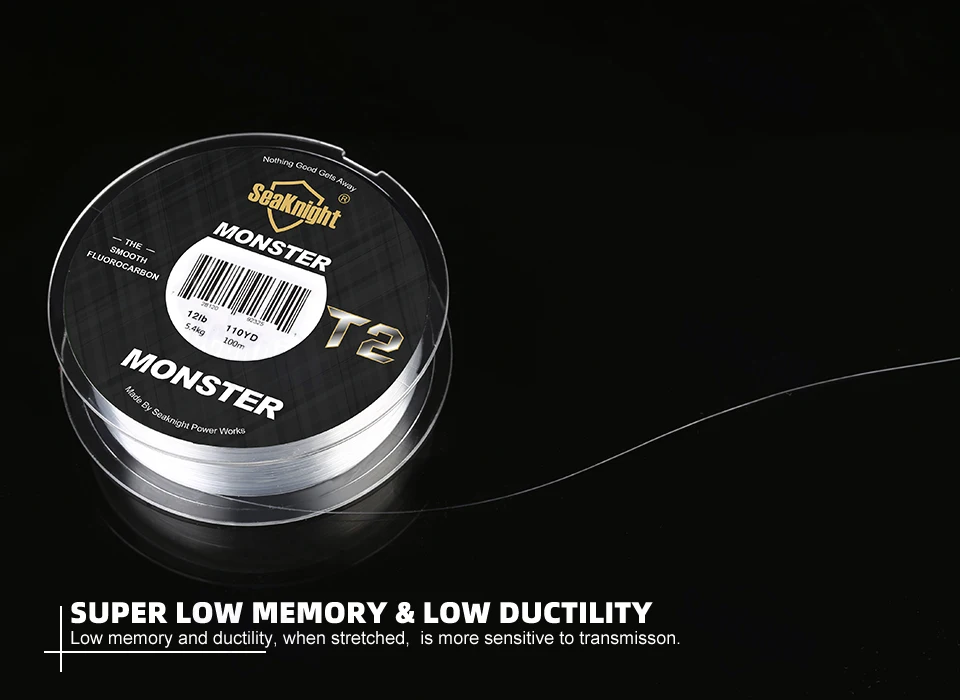
Pro tip (from the bank, not a brochure): fluorocarbon can feel “stiffer” than mono. That’s normal. If your spinning reel starts looking like a slinky factory, drop a size, spool it tighter, and don’t overfill the spool.
When To Use It
Clear water and pressured fish: This is prime time for SeaKnight MANSTER T2 fluorocarbon fishing line. When the water’s clear enough that you can see your lure doing its little dance, the fish can see your line too. Fluoro helps reduce that problem.
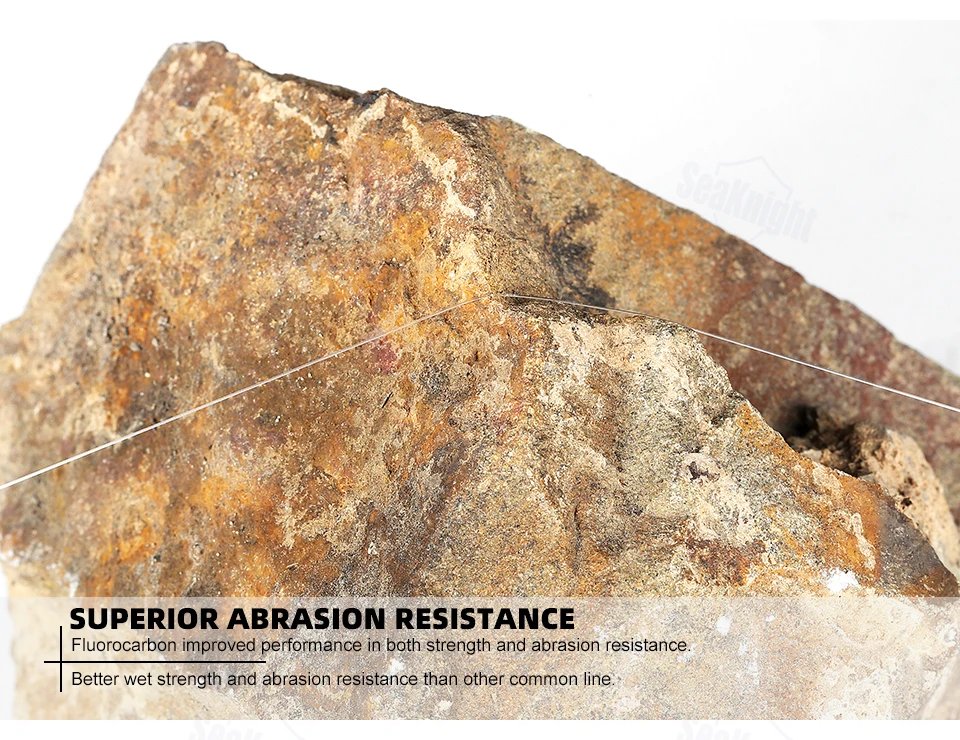
Rock, dock, wood, and nasty edges: Any time your leader is rubbing on structure, fluorocarbon’s abrasion resistance is your insurance policy. It’s not invincible, but it’s tougher than most monos.
Bottom-contact techniques: Jigs, Texas rigs, Ned rigs, shaky heads… anything where you need to feel “tick…tick…tick… thump”. Fluoro transmits those bites better than stretchy mono.
Cold water jerkbait season: Fluoro sinks, so it can help keep a jerkbait a touch deeper and maintain control. Field and Stream also highlight how fluoro performance and “handling” matters a lot when you’re picking a line for serious fishing — worth a read if you’re comparing brands. Here’s their fluorocarbon round-up.
Does It Actually Catch Fish?
Line doesn’t “catch” fish… but it absolutely stops you catching fish when it fails or spooks them. The main reasons anglers run fluorocarbon are stealth, sink rate, and abrasion resistance. That’s exactly the lane the SeaKnight MANSTER T2 fluorocarbon fishing line sits in.
Will it turn a blank into a PB day? No. Will it help you get more bites in clear water, keep your bait in the zone, and land fish cleanly when they surge near rocks or timber? Yes — assuming you tie decent knots and re-tie after you drag it through rough stuff like a menace.
If you want a “real world” comparison vibe, there are plenty of fluorocarbon tests and reviews floating around YouTube where anglers torture-test knot strength and abrasion. This kind of long-form line test is worth watching just to see what actually fails first.
Gear Pairing
Let’s keep it practical:
- Spinning (finesse rigs): 6–10lb SeaKnight MANSTER T2 fluorocarbon fishing line as a leader on braid is the sweet spot for small swimbaits, ned rigs, dropshot, and light plastics.
- Baitcaster (jerkbaits and cranks): 10–15lb straight-through fluoro is a classic. It gives you control and keeps trebles pinned.
- Heavy cover / toothy problems: Step up to 16–25lb leader if you’re around rocks, mussels, or pike that think your lure is a personal insult.
And if you’re building a full setup and want to browse line options without turning it into a spreadsheet (mate, please don’t), start in your own shop’s category: Fishing Line on BassFishingTips.US. If you want a budget-friendly alternative for certain jobs, your Fluorocarbon Coating Fishing Line 120M is also right there.
Specs
- Product: SeaKnight MANSTER T2 fluorocarbon fishing line
- Type: Fluorocarbon line (clear)
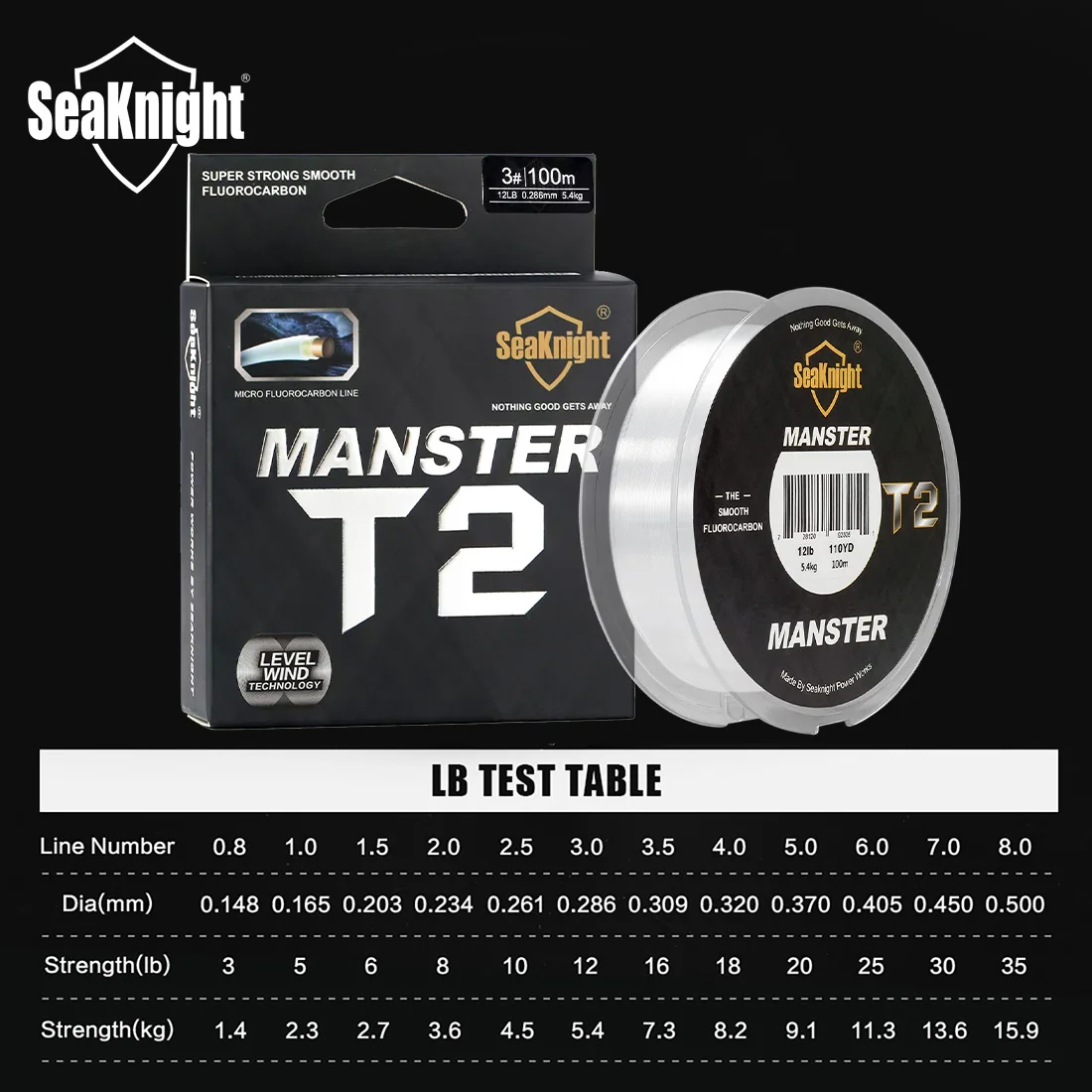
- Length: 100m spool
- Buoyancy: Sinking line
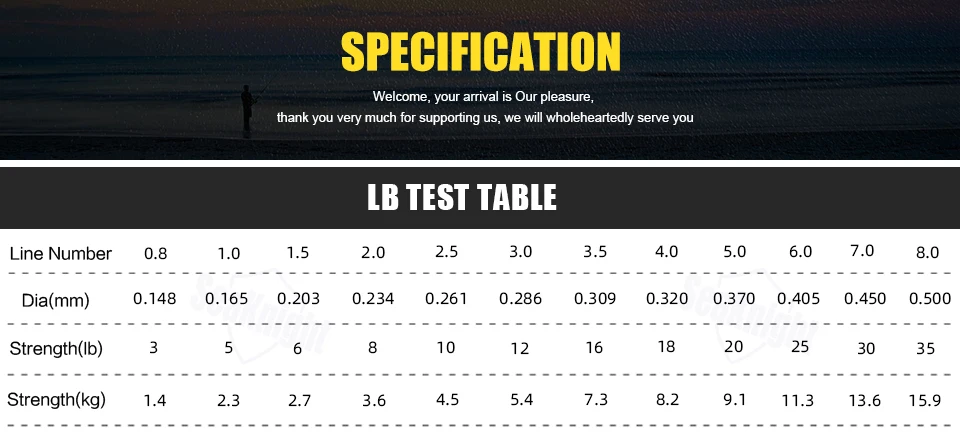
- Strength range: 3lb to 35lb options
- Diameter range (approx): 0.148mm to 0.500mm (varies by lb test)
- Colour: Clear / transparent
FAQ
Should I use it as a leader or mainline?
Leader first, especially on spinning gear. If you like jerkbaits and cranks on a baitcaster, straight-through fluoro is a cracking move too.
What knot should I use?
For lure knots: improved clinch or palomar (wet it, tighten slowly). For braid-to-fluoro: FG if you can tie it properly, otherwise double uni and get on with your life.
What lb test should I pick for bass?
6–10lb leader for finesse. 10–15lb for moving baits. 16–20lb when you’re dragging through rough stuff or bigger fish are around.
Will fluorocarbon help my lure run deeper?
Often yes, especially versus mono. It sinks and has less “float” working against your lure, which can help keep crankbaits and jerkbaits in the zone.
How often should I retie?
Any time you feel roughness, see scuffs, or you’ve been rubbing structure. Retie often and you’ll lose fewer fish (and fewer lures).
Final Verdict
If you fish clear water, rough structure, or any technique where bite feel matters, SeaKnight MANSTER T2 fluorocarbon fishing line is the sort of sensible choice that makes you look like you know what you’re doing — even if you’re still quietly googling “best knot for fluorocarbon” behind the shed.
Use it as a leader for stealth and abrasion resistance, or spool it straight for jerkbaits and cranks when you want that sinking control. Either way, tie good knots, retie often, and stop blaming “bad luck” for what is clearly “bad habits”.
Go on then — spool up, fish slower, and let them load the rod for you.
Real customer reviews