Why This Lure Works
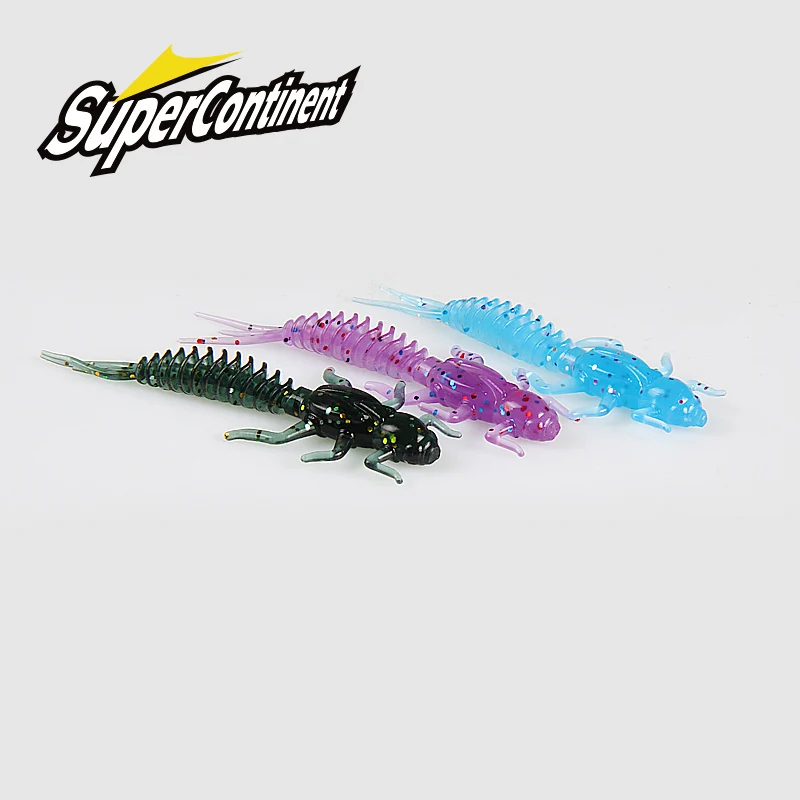
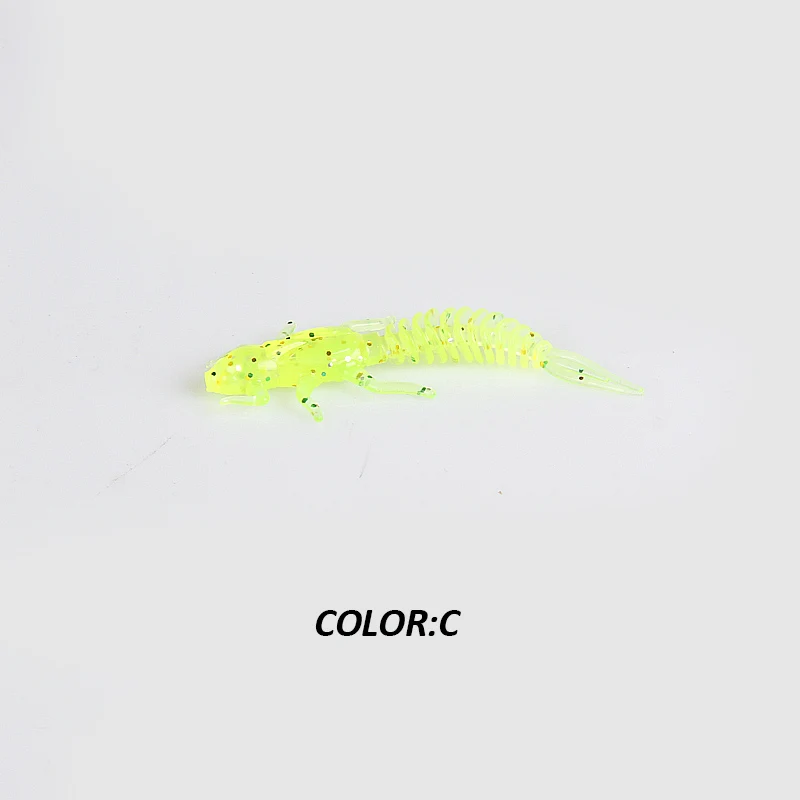
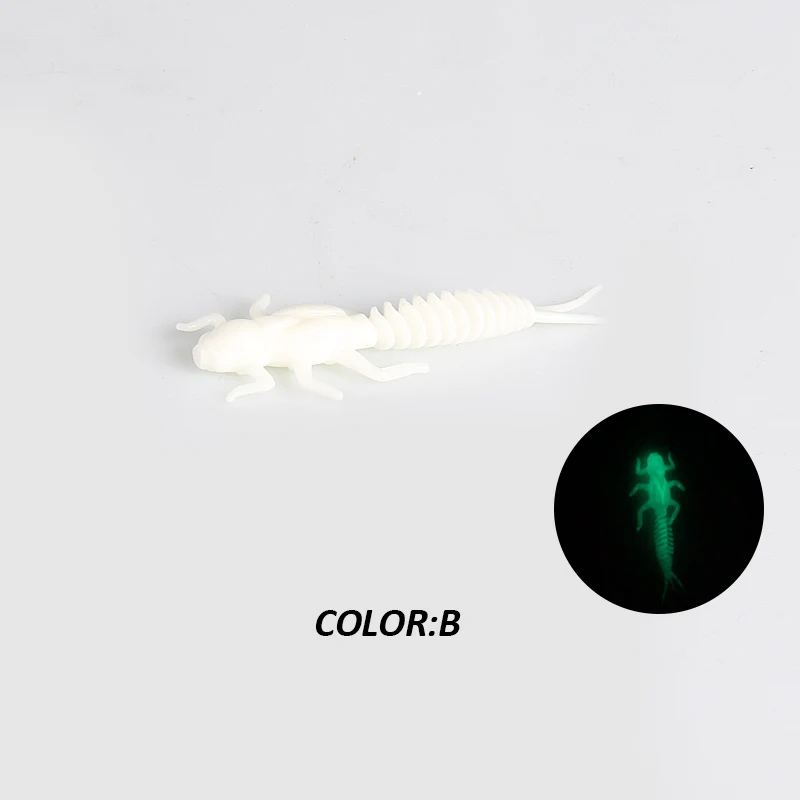
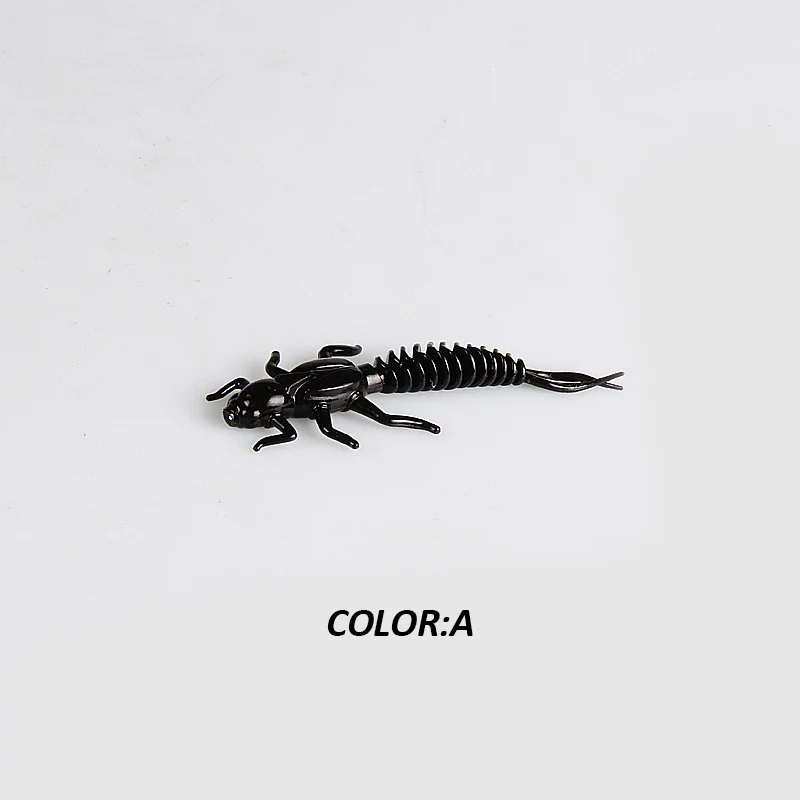
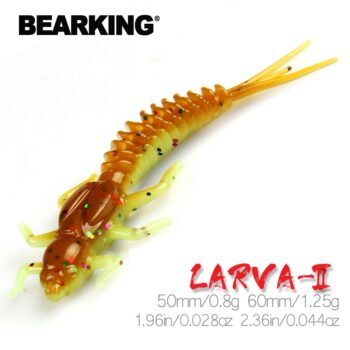
If you are after subtle bites (the kind where your line just twitches and your mates swear you are imagining it), Reach larva soft lures are built for that job. They are small, larva-shaped silicone worms in the 5cm to 6cm range, made to look like a little nymph or bug drifting about looking far too edible. In clear water or pressured lakes where bass have seen every loud hardbait under the sun, this tiny profile is exactly what gets you a “fine… I will eat it” bite.
The best bit about Reach larva soft lures is how little you need to do. The slim body and larva profile lets the bait move with micro twitches, current, or just the natural bounce of your rod tip. On a light jig head it tracks like a tiny swimmer; on a dropshot it hangs there and annoys fish into biting. That “do less, catch more” vibe is why larva plastics keep sneaking into finesse boxes.
How To Fish It
Right, here is where Reach larva soft lures start earning their keep. Think finesse, not football hooligan. If you already know a Texas rig, this is the mini version: light hook, light weight, and keep it neat. If you need a refresher, Wired2Fish have a proper step-by-step here: The Texas Rig | How to rig and fish.
- Micro jig head (my lazy favourite): Thread the bait straight. Use 1 to 3g for shallow water, 3 to 7g if you need to feel bottom. Cast, let it sink, then slow roll with tiny hops. If you are snagging every cast, mate… pick cleaner ground or lift your rod tip.
- Dropshot (for when they are being precious): Nose hook it or lightly Texas rig it. Keep the bait hovering just off bottom and shake slack. Wired2Fish explain dropshot rigging brilliantly: Drop shot rig fishing and rigging tips. Bassmaster also have a cracking note on leader length and bait height here: Rigging considerations for drop shotting.
- Ned-style “bug” presentation: If you have tiny mushroom heads, this larva profile looks bang-on like something crawling along. Drag it, pause it, and let it sit. Bites often happen on the pause.
- Weightless around edges: If your pack is the floating version, try it weightless around reeds and grass edges. Let it drift, twitch once, then do nothing. The “nothing” part is the hardest for most of us.
One sneaky trick with Reach larva soft lures: fish them slower than feels right. If you can feel yourself getting bored, you are probably doing it correctly.
When To Use It
Reach larva soft lures shine any time fish are feeding small, or acting like you have personally offended them with your lure choice. Think:
- Clear water: Small natural profile, less “get away from me” pressure.
- Cold fronts and winter: When bass sulk, tiny plastics often outfish bigger moving baits. Field and Stream’s soft plastics round-up is a good reminder of how often plastics save the day: best soft plastic baits for bass.
- Pressured waters: When everyone is throwing loud crankbaits and big swimbaits, a little larva is the “different look” that gets bites.
- Rock, gravel, and docks: The larva profile looks like something living down there. Work it along bottom with short hops.
If you fish rivers or creeks, Reach larva soft lures also work well just swinging through seams like a tiny nymph. Keep your line semi-tight, let current do the work, and only twitch when the bait stalls.
Does It Actually Catch Fish?
Small larva plastics are not “magic”, but they are one of those confidence baits that quietly put fish in the net when the “hero lure” gets ignored. Reach larva soft lures sit right in that lane: small, subtle, and hard for fish to refuse when they are moody.
Larva and nymph-style baits are also a known “match the hatch” shortcut. If fish are keying in on insects or tiny fry, a little bug-shaped snack is an easy yes. And if you want a similar creature-bait vibe already on BassFishingTips.US, have a look at the Meredith Larva Soft Lures—same concept, different brand and size range.
Will it catch pike? Yes… but pike will also eat a sock if you wave it at them, so do not take that as a scientific endorsement. If you are in proper pike water, a short wire trace saves heartbreak.
Gear Pairing
To get the most out of Reach larva soft lures, match them with finesse-friendly gear. You do not need a broomstick rod and a winch reel here.
- Rod: 6ft 6in to 7ft 2in, light to medium-light, fast tip.
- Reel: 2000 to 2500 size spinning reel with a smooth drag.
- Line: 6 to 10lb braid to a 6 to 10lb fluoro leader, or straight 6 to 8lb fluoro if you are keeping it simple.
If you want a proper “what goes with what” refresher, this Best Bass Fishing Setup guide is worth a brew. And if you are shopping line on the site, start here: Fishing Line. For more bits and bobs to round out the tackle box, have a nose around the shop.
Specs
- Product type: Larva-style soft plastic lure / silicone worm
- Lengths shown: 5cm and 6cm options
- Material shown: Silicone soft bait
- Pack option shown: “brown-5cm-15pcs” (pack size may vary by option)
FAQ
Are Reach larva soft lures any good for bass in clear water?
Yep. Small profile and subtle action is exactly what clear-water bass struggle to ignore. Go light, fish slow, and keep your leader tidy.
What hook or jig head should I start with?
Start with a tiny jig head (1 to 3g) for shallow water, or a dropshot hook if you want it hovering. If you are around weeds, go weedless (mini Texas rig).
Do I fish it fast like a swimbait?
Nope. Think “finesse crawl”. Slow roll it, tiny hops, long pauses. The slower you go, the more bites you will get on tough days.
Will it work for perch and trout too?
Absolutely. Anything that eats insects and small snacks will have a go. Just scale your jig head and line to suit.
What colour should I pick?
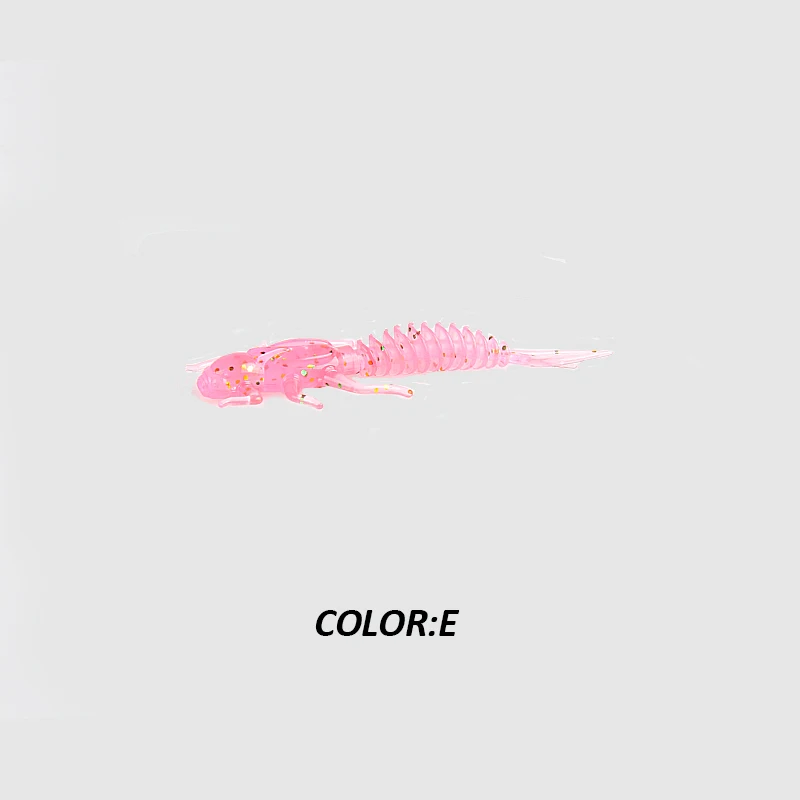
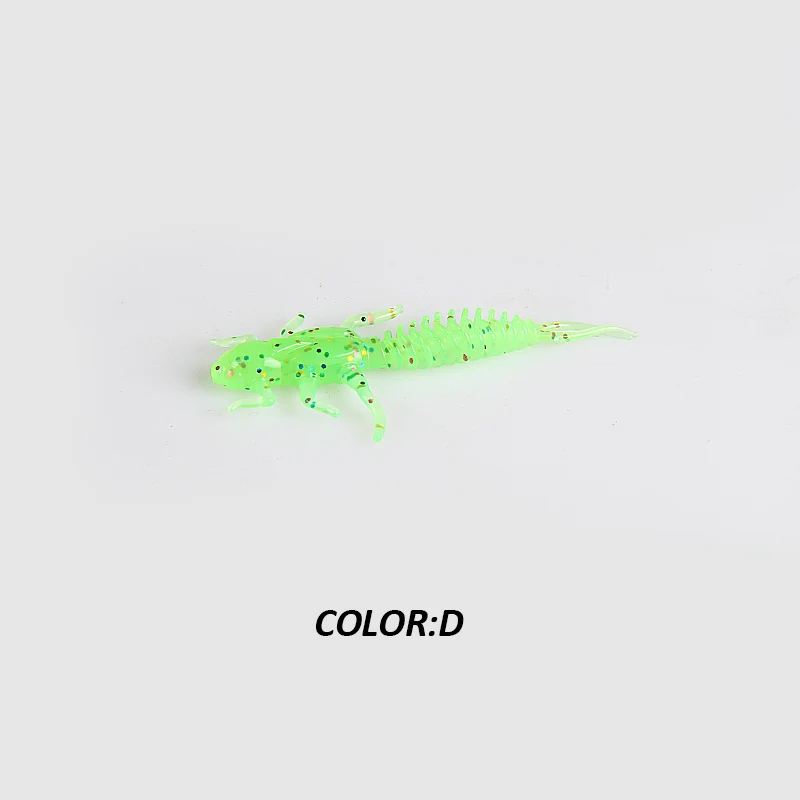
Natural colours first (brown, green pumpkin, smoke) in clear water; darker silhouettes if it is murky. If in doubt, pick the one you have confidence in and fish it properly.
Final Verdict
If your usual lures are getting ignored and you are starting to question your life choices, Reach larva soft lures are the sensible little “plan B” that often turns into plan A. Small, subtle, and easy to fish, they are ideal for clear water, pressured fish, and cold-front sulk sessions. Pair them with light tackle, take your time, and let the bait do the convincing.
Fish it slow enough to annoy yourself… that is usually when the rod loads up.
Real customer reviews