
Why This Lure Works
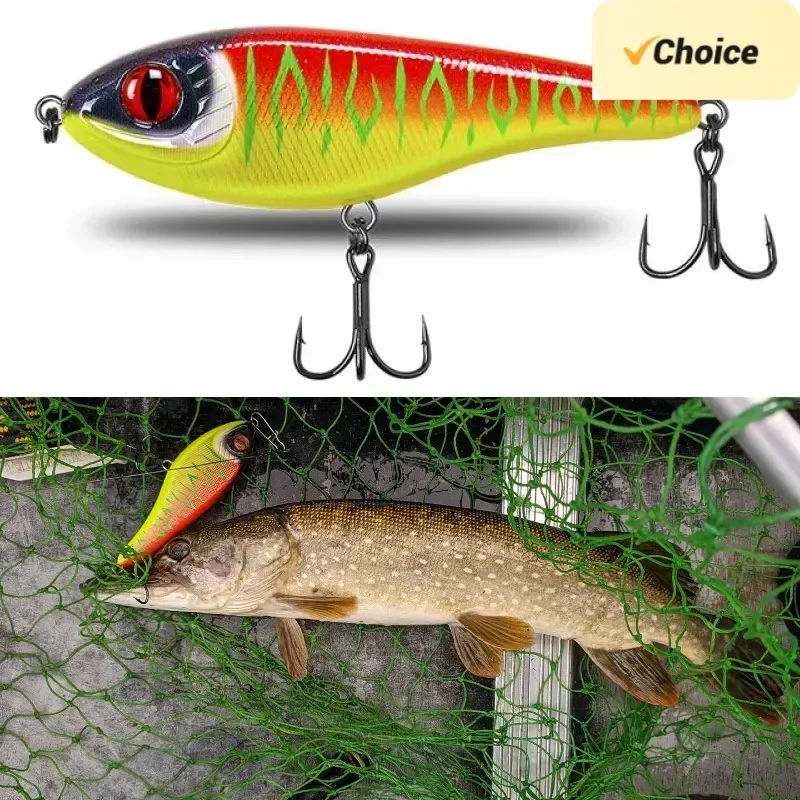
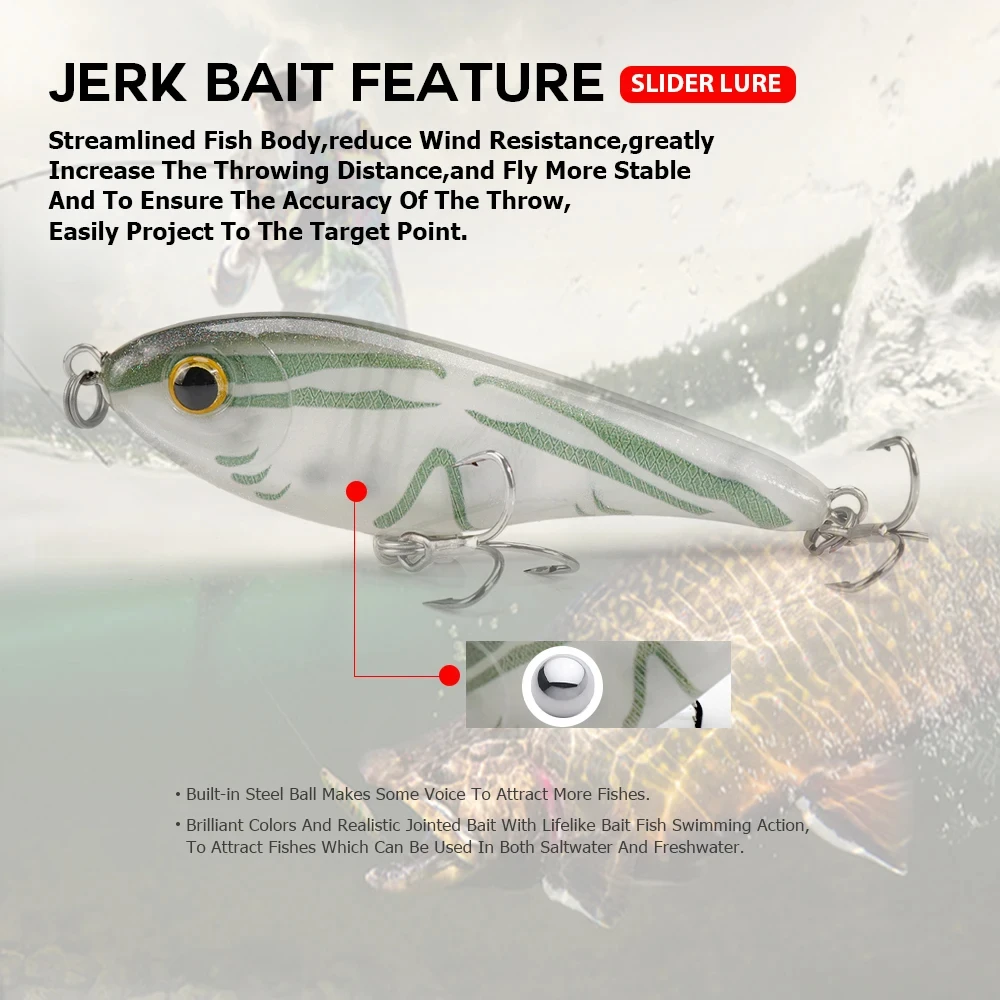
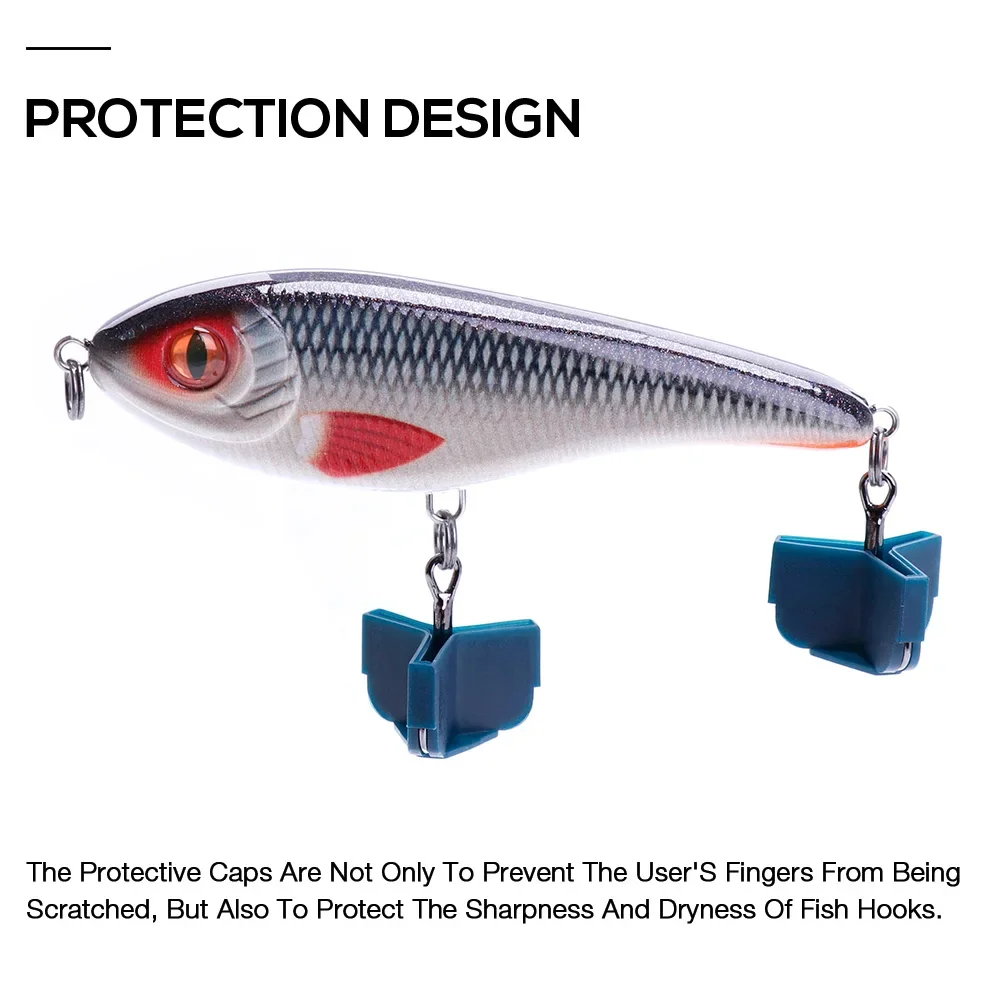
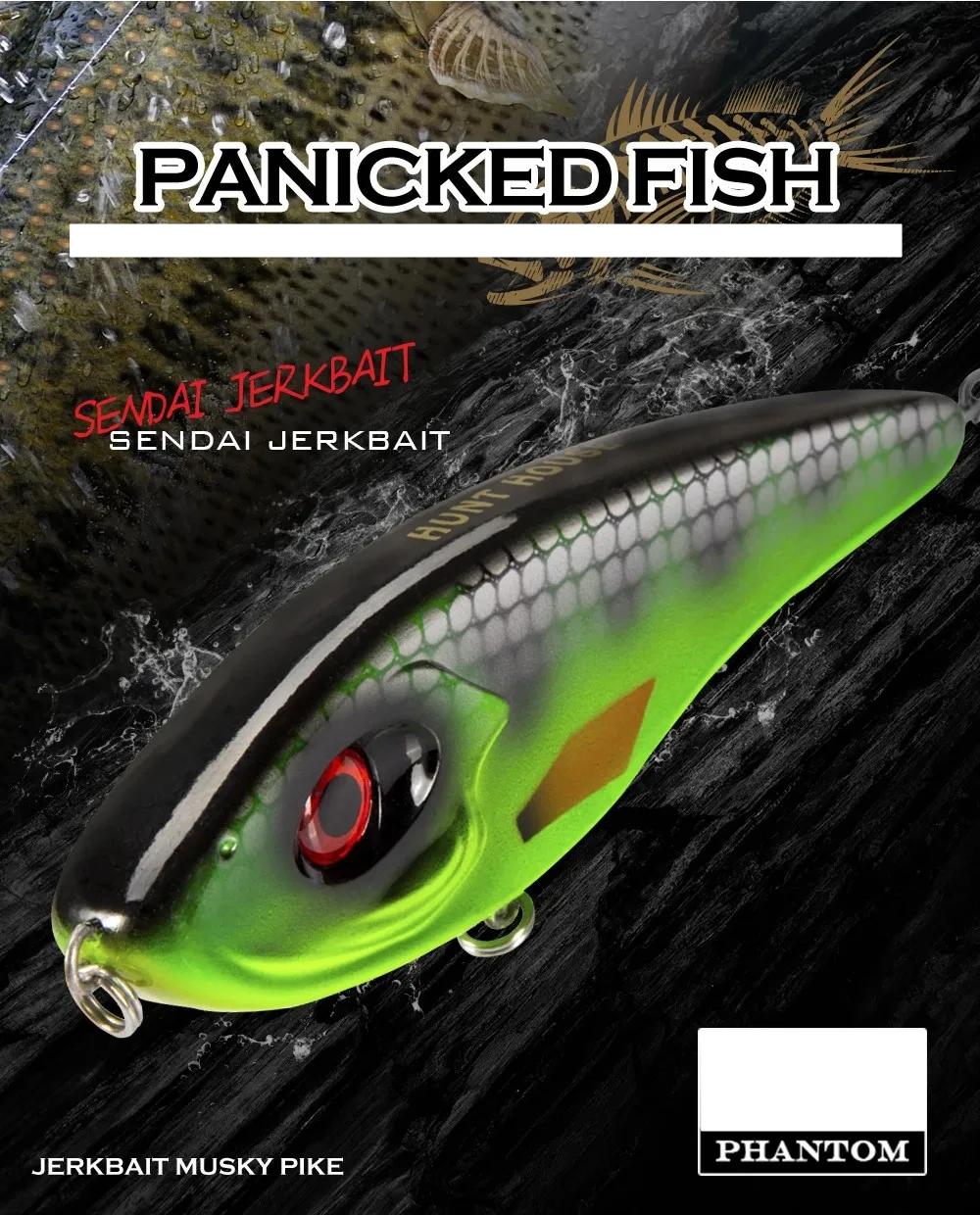
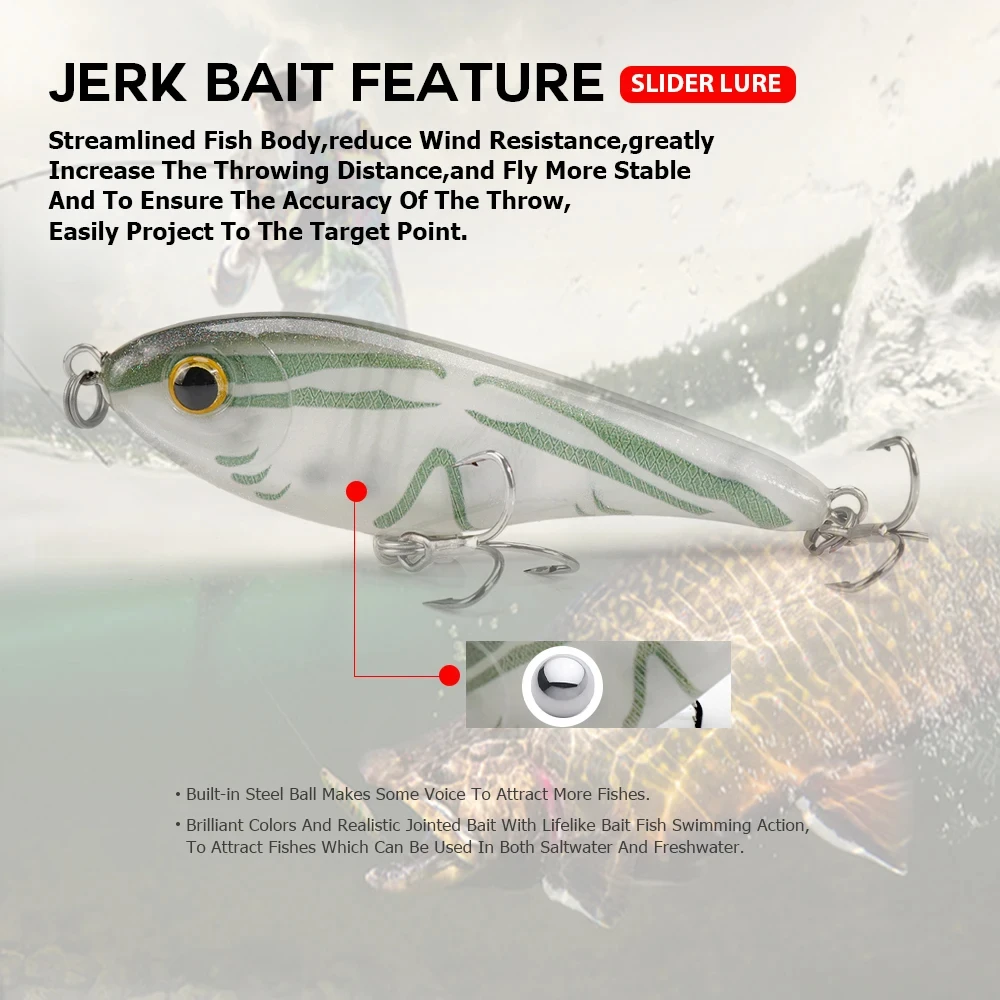
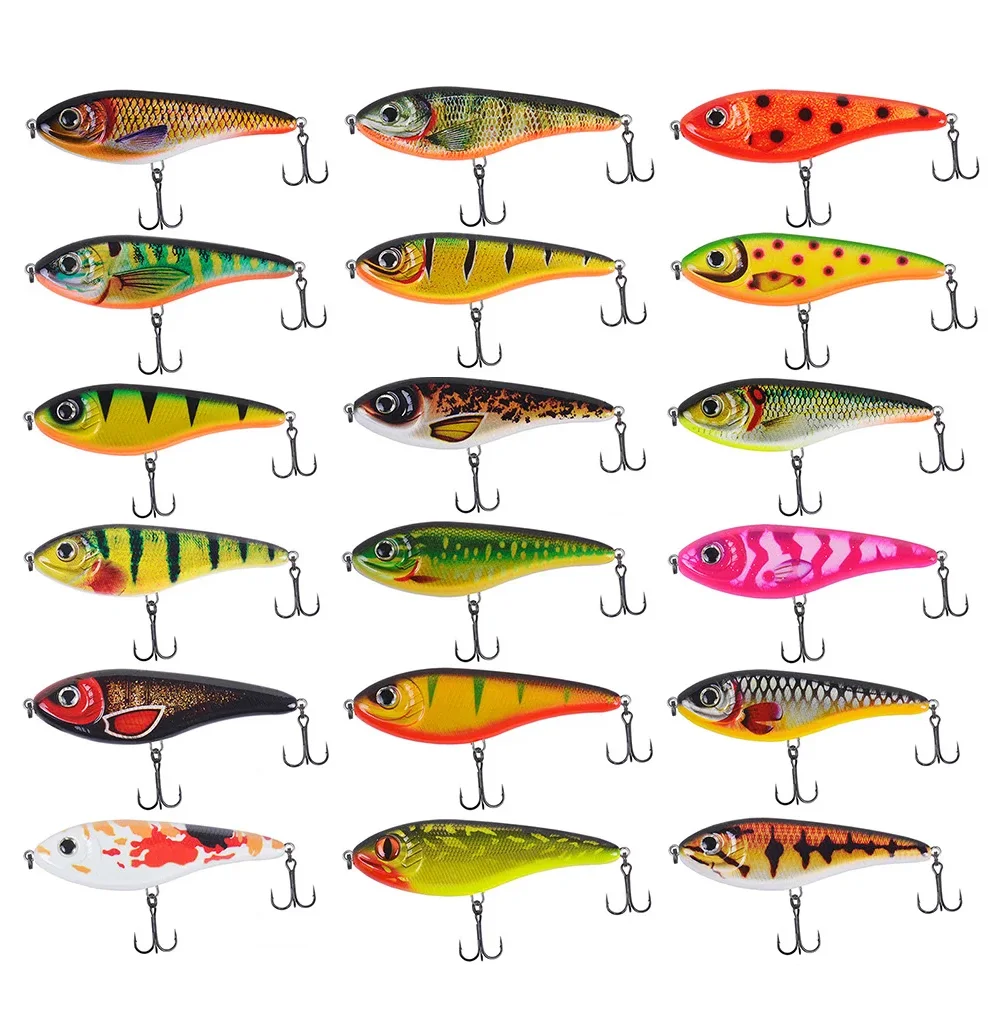
When you first tie on Musky jerkbaits slow sinking slider lures, they look like chunky little baitfish with attitude – and that is exactly the point. Each lure has a solid ABS plastic body, realistic 3D eyes, internal steel balls and a pair of #6 high quality sharp treble hooks, giving you casting weight, flash and noise in one compact package. On the retrieve, that package turns into a proper glidebait-style swim rather than a simple wobble, which is why so many predator anglers are sneaking these into their boxes.
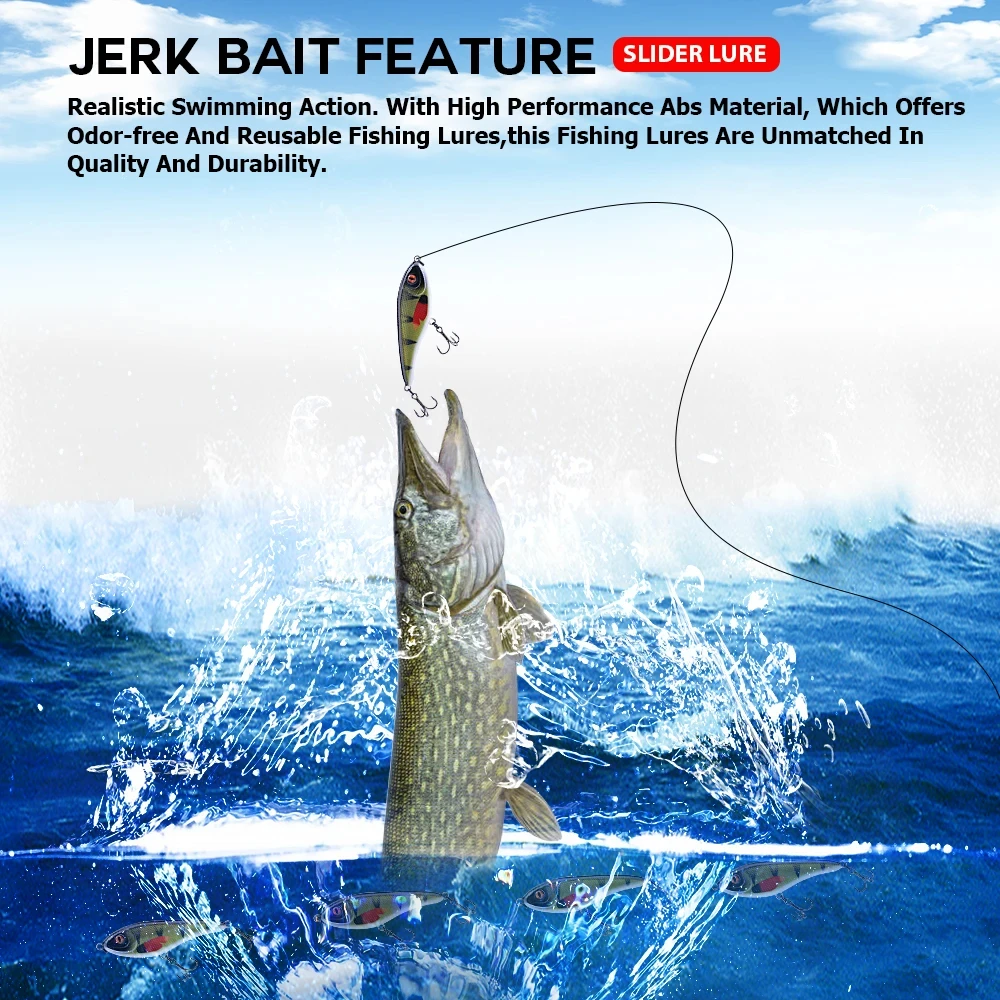
The body is built like a small glidebait or slider instead of a traditional billed crank. There is no big lip dragging it down; instead, the line tie is on the nose so the bait responds to your rod work. A short twitch sends the lure kicking out to one side, it shows a full flank, then settles and starts a slow, nose-down sink. That movement is very similar to how a wounded roach, perch or shad behaves when it is on death’s door. Glidebaits like Musky jerkbaits slow sinking slider lures are designed to do exactly this – move from side to side in wide sweeps – and they have a reputation for pulling fish in from a long way off, as guides often point out in articles on glidebait fishing.
Because Musky jerkbaits slow sinking slider lures are, as the name says, slow sinking, they hang in the strike zone longer than a floater that keeps climbing out of the depth you want. Instead of racing away, they almost hover when you pause them, then sink a touch deeper in a very natural way. Jerkbait experts on Bassmaster talk about how a slightly sinking, nose-down bait often gets more bites in cold water because it looks like a dying baitfish, and this lure falls neatly into that behaviour.
The internal steel balls are doing two jobs. First, they help you bomb the lure a good distance, which matters when you are covering points, big flats or wind-blown banks. Second, they give you that “loud sound crankbait” rattle that predators can home in on when visibility is not perfect. Articles like the glidebait guides on Wired2Fish constantly highlight how bigger, louder baits pull fish from further away, and although this Musky slider is compact, it still punches above its weight in terms of drawing power.
How To Fish It
The good news is you do not need to be a magician to fish Musky jerkbaits slow sinking slider lures properly. Treat them like mini glidebaits and let the rod do the talking while the reel just keeps up with slack.
1. Basic side-to-side glide
Make a long cast, let the lure sink to the rough depth you want, point the rod tip down and wind just quick enough to keep light tension. Now give the rod short, crisp downward pops. Each pop should send the bait sliding left or right, flashing its sides as it turns. Give it a little slack after each pop so it can wander properly rather than charging straight at you.
2. Jerk–jerk–pause cadence
For a more classic jerkbait feel, work in a jerk–jerk–pause rhythm. Two sharp snaps, then stop and let the bait hang and sink slowly. On cold-water jerkbait days, pros on Bassmaster and Wired2Fish often stress that “cadence is king” – and it is the same here. Mix up the length of your pauses until the fish tell you what they want.
3. Pull-and-wind glide
If you are new to glidebaits, the pull-and-wind retrieve is almost foolproof. With the rod tip slightly to the side, make a medium sweep of the rod while slowly turning the reel handle to pick up slack. The lure will carve an S-curve through the water, just like the glidebaits that big-bass anglers throw over points and docks. Guides in glidebait tutorials often mention that simply reeling and giving short bursts on the handle is enough to make a bait swing and glide, and this lure reacts in the same way.
4. Cold-water crawl
When the water is properly chilly and the fish are sulking, slow everything right down. Make a couple of very light twitches, then let Musky jerkbaits slow sinking slider lures sit and slowly settle for several seconds at a time. Jerkbait specialists recommend really long pauses in winter, sometimes over ten seconds, because bass and pike will inspect a bait for ages before finally committing. The slow sink on this lure makes that long, suspenseful pause look completely natural.
5. Search bait duty
One of the underrated jobs of any glidebait is simply showing you what lives on a spot. Glidebait articles on Wired2Fish talk about how fish may follow without eating, but those followers tell you exactly where better fish are sitting. Use Musky jerkbaits slow sinking slider lures as a search bait over points, weedlines, isolated cover and harbour walls; once you have had a few shadows trail them in, you can circle back with a subtler crankbait, soft swimbait or jig to finish the job.
When To Use It
Musky jerkbaits slow sinking slider lures are not delicate little finesse minnows; they are compact predator tools. They excel whenever fish are feeding on small to medium-sized baitfish and you need drawing power without going to a giant glide.
Spring and autumn predators
In spring and autumn, when pike, walleye and big bass roam points, creek mouths and bays, a slow-sinking jerkbait that runs just subsurface is perfect. Glidebait articles aimed at northern pike regularly point out how effective this style of bait is from late spring into early summer, especially when you fish it around weed edges and rocky transitions.
Wind-blown banks and funnels
Any time the wind has been hammering one shore or pushing bait into a funnel, these lures come into their own. The steel-ball rattle helps predators locate the bait in the chop, while the glide lets it hang in ambush lanes where fish sit just off current seams or in the slack behind boulders.
Over grass and around timber
They are not weedless, but you can absolutely run Musky jerkbaits slow sinking slider lures across the tops of submerged grass or along the sides of standing timber. A slightly heavier line helps you pop the bait free if it nicks the cover. Often the strike comes right after you rip it loose and let it glide and fall again.
Clear to lightly stained water
Because the lure leans on flash, profile and rattle, it does best when the fish can at least see the shape. Clear lakes, big reservoirs and rocky rivers are ideal. In ultra-dirty water you might switch to a big bladed jig or spinnerbait, but in typical “bass green” conditions this style of bait is in its element.
Does It Actually Catch Fish?
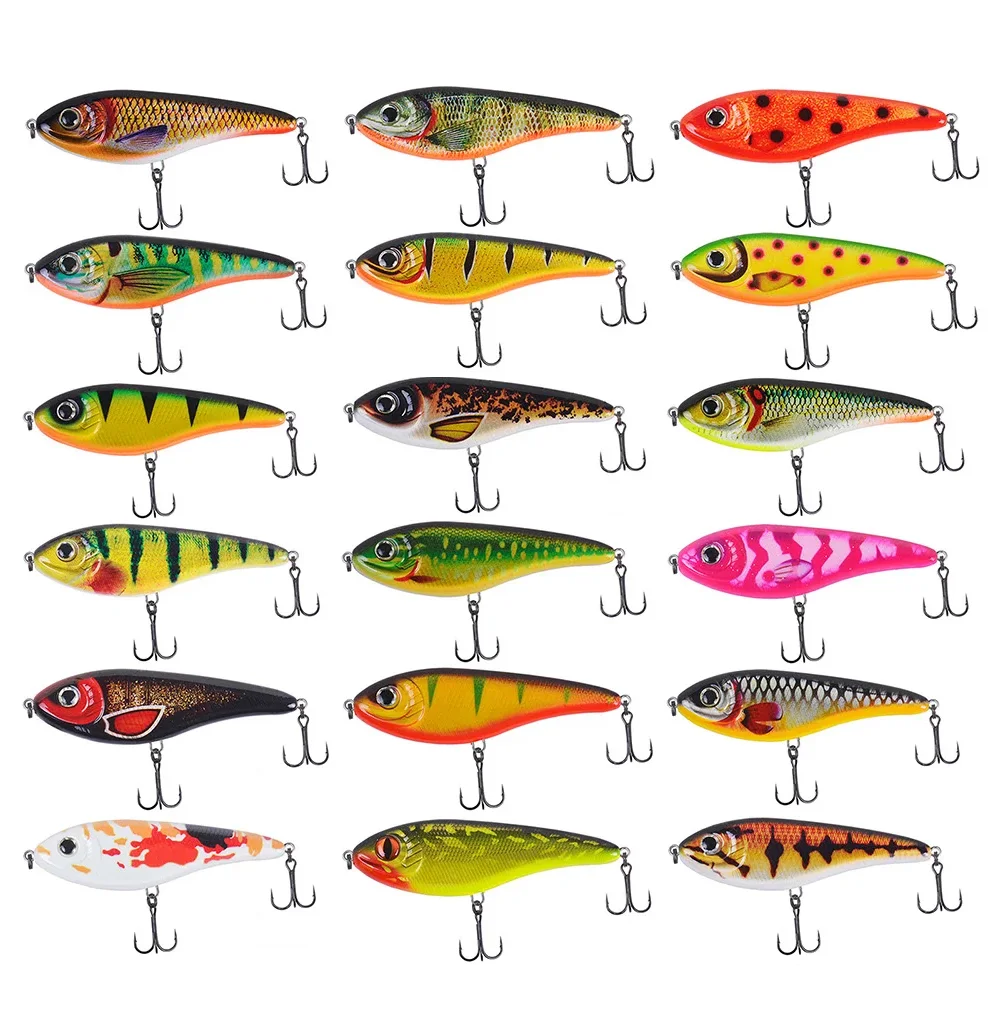
On paper, Musky jerkbaits slow sinking slider lures tick the right boxes: jerkbait type, slow-sinking body, ABS plastic, internal steel balls, 3D eyes and #6 high quality sharp trebles, all wrapped in baitfish patterns like Bronze Rudd, Yellow Perch, Hot Tiger, Silver Roach and Scaled Roach. That spec sheet mirrors what you see in plenty of proven pike, walleye and bass jerkbaits on the market, just in a slightly more budget-friendly package.
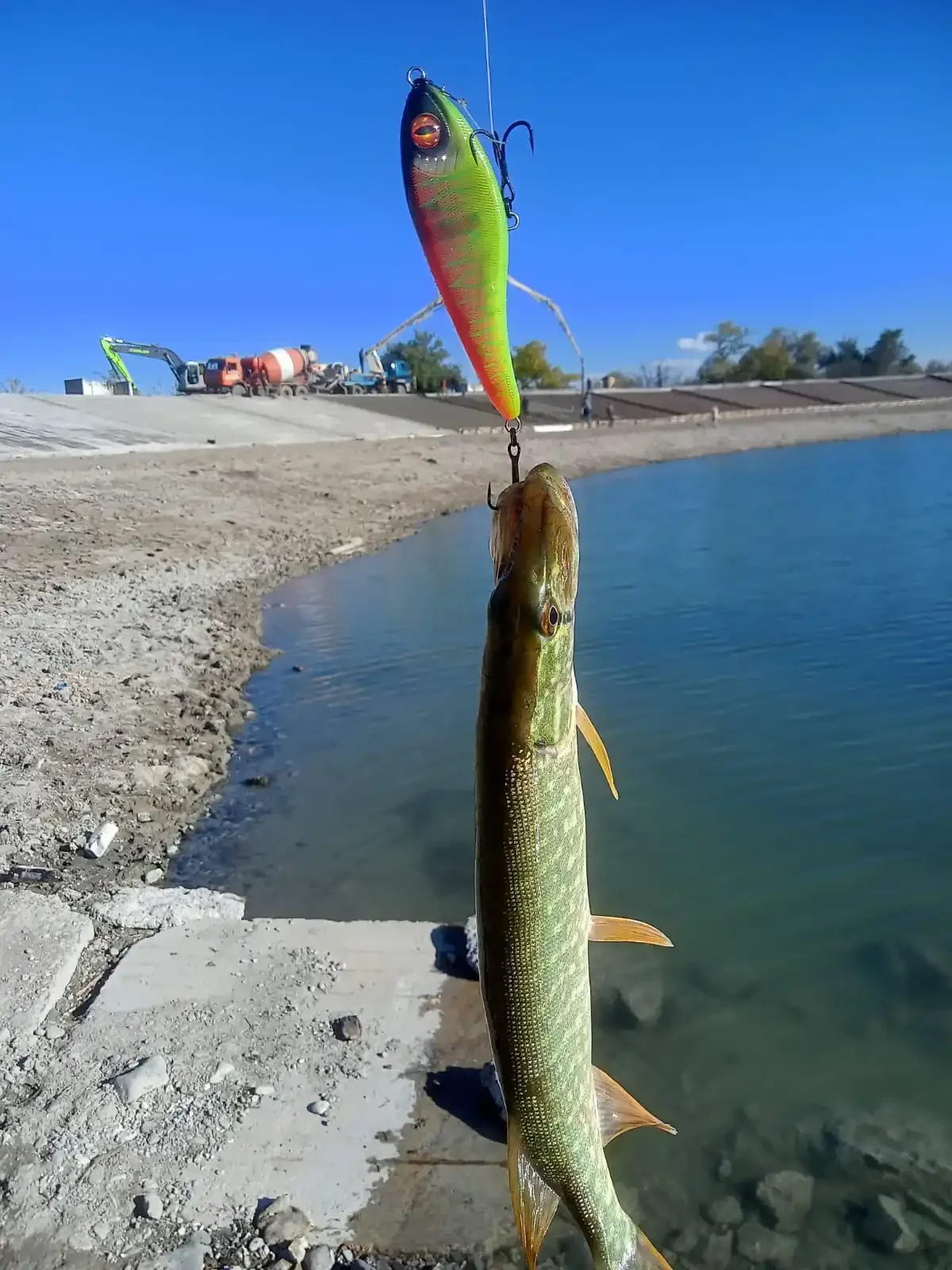
Glidebaits in general have become a go-to for bigger fish because they not only catch but also reveal what is living on a spot, and Musky jerkbaits slow sinking slider lures follow that same playbook. Writers at places like Outdoor Canada and similar pike-focused outlets highlight how glides produce both numbers and trophies when worked over classic pike structure. This Musky slider is simply a more compact version of that idea, sized for everything from big largemouth to northern pike and zander.
If you put in a bit of time learning its cadence and you throw it in the right neighbourhoods – points, weedlines, wind-blown banks, harbours and rocky breaks – you will quickly see followers turning into solid hook-ups. It is very much a lure that rewards patience and experimentation rather than just chuck-and-wind.
Gear Pairing
You do not need full-on musky tackle for this one, but pairing Musky jerkbaits slow sinking slider lures with the right rod, reel and line makes a massive difference in how well they glide.
- Rod: Aim for a 6’6″–7’3″ medium or medium-heavy rod with a fast tip. Jerkbait specialists often recommend a fast tip with a slightly softer backbone so you can twitch the bait and still drive the hooks home cleanly.
- Reel: A low-profile baitcaster in the 6:1–7:1 range is ideal, or a 3000–4000 size spinning reel if you prefer. The key is a smooth drag and the ability to pick up slack quickly between snaps.
- Line: 20–40 lb braid as a main line is a great starting point, with a 12–20 lb fluorocarbon or mono leader for invisibility and a bit of stretch. Step up to a short wire trace or very heavy fluoro if you are specifically chasing pike.
- Backup lures: Once you have used the slider to find fish, it pairs nicely with more traditional hardbaits from your crankbait box. A deeper minnow crankbait or a lipless crank lets you mop up the fish that followed but would not quite commit to the glide.
If you want to build a full crankbait and hardbait box around them, it is worth reading the Revamp Your Bass Fishing with the Best Crankbait article and browsing the wider range in the crankbait lures section on BassFishingTips.US. They give you plenty of ideas on how to mix sliders, deep divers and lipless baits into one confident lineup.
Specs
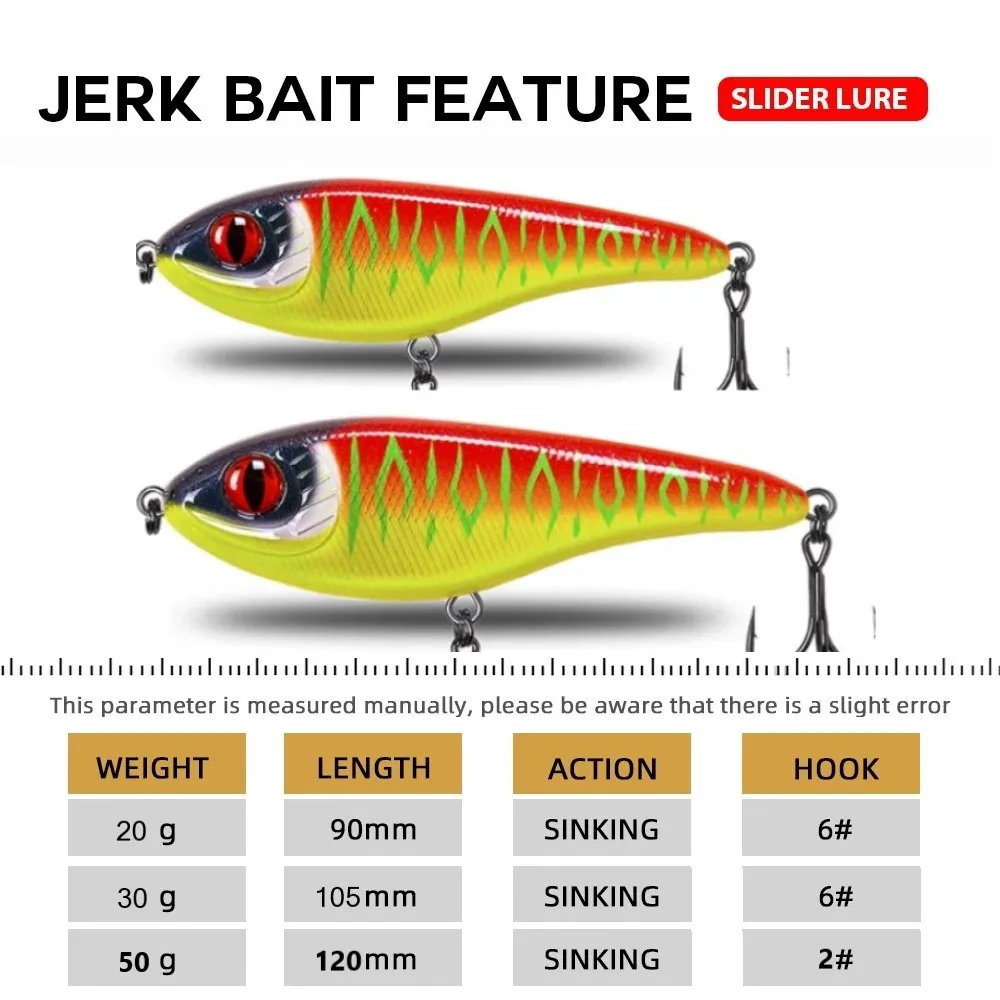
- Product name: TSUYOKI Musky Jerkbaits Slow Sinking Slider Lures 90mm/105mm Loud Sound Crankbaits Westin Lure Jerkbait Fishing for Pike Walleye
- Lure type: Hard jerkbait / glide-style slider
- Diving depth: Slow sinking
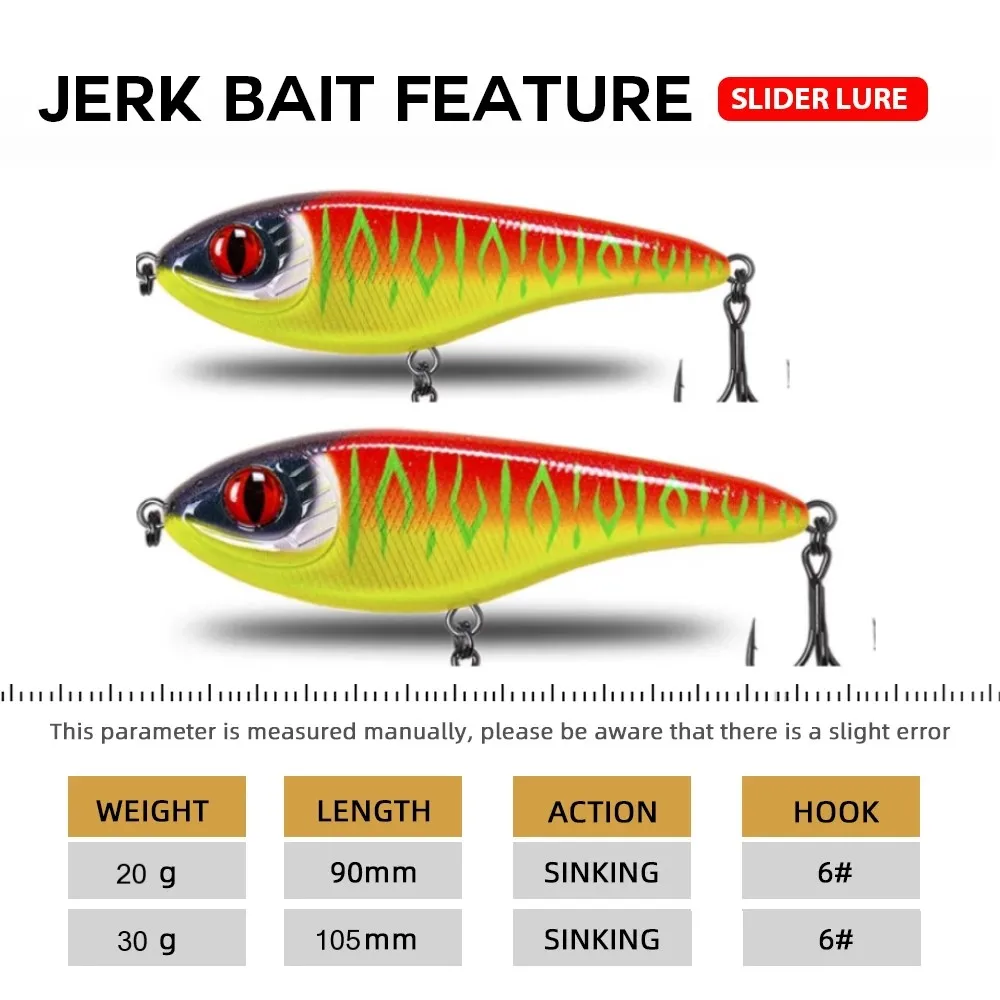
- Lengths: 90mm and 105mm
- Weights: 20g (90mm), 30g (105mm)
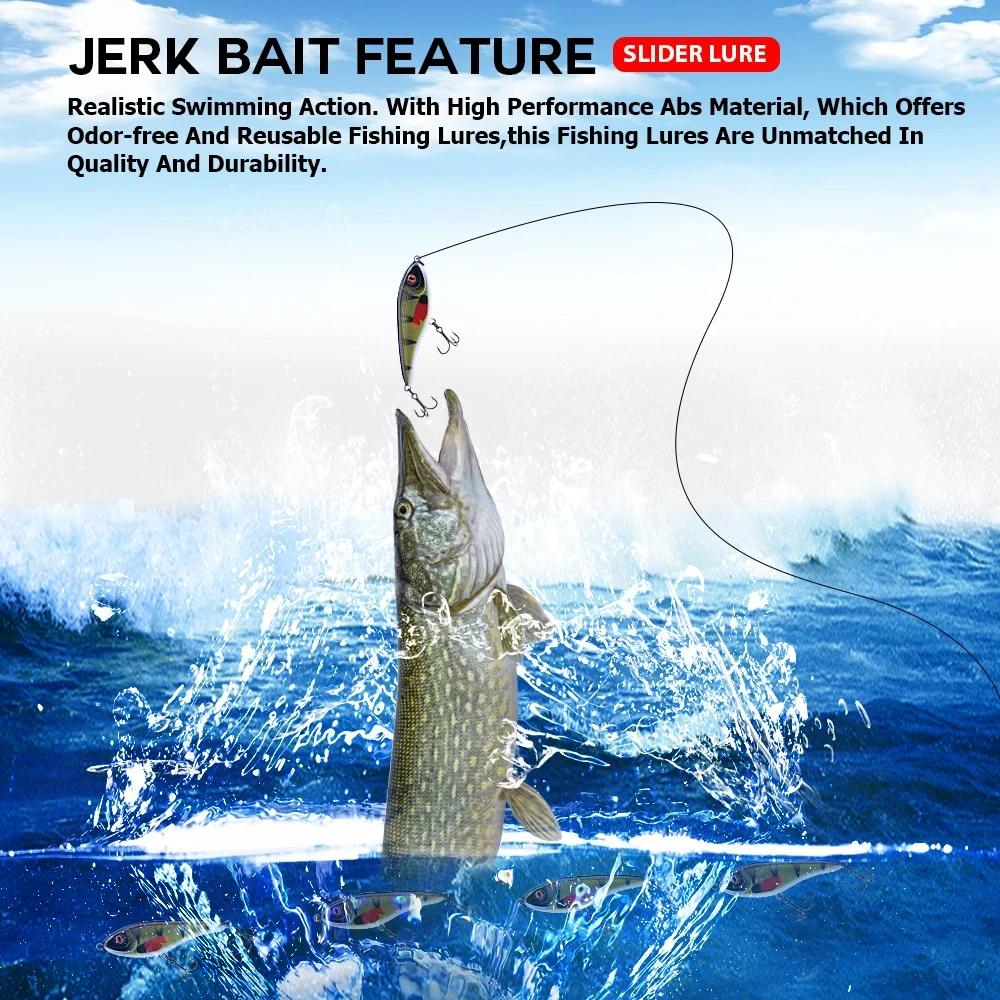
- Body material: ABS plastic
- Internal weight / sound: Steel balls for weight and loud rattle
- Hooks: #6 high quality sharp treble hooks
- Rings: Double strong stainless-steel flat split rings
- Eyes: 3D realistic eyes
- Colours available: Bronze Rudd, Yellow Perch, Hot Tiger, Silver Roach, Scaled Roach, Perch and related baitfish patterns
- Quantity per pack: 1 piece
- Target species: Pike, walleye, zander, largemouth and smallmouth bass, other baitfish-eating predators
FAQ
Are Musky jerkbaits slow sinking slider lures true glidebaits or just crankbaits?
They behave much more like compact glidebaits than standard cranks. There is no big diving lip; instead, your rod work and pauses create the side-to-side glide and slow sinking action.
What depth do they run at?
They are classed as slow sinking jerkbaits. Let them sink on a semi-slack line to the depth you want, then use a glide or jerk–pause retrieve to keep them in that 2–8 foot zone over structure.
Do I need heavy musky gear to fish them?
No. They are sized for standard predator tackle. A medium or medium-heavy casting or spinning outfit with 20–40 lb braid is plenty, as long as the rod has a reasonably fast tip for working the bait.
Which size should I start with, 90mm or 105mm?
If you are unsure, start with the 105mm / 30g version. It is a great “big food” profile for pike, walleye and better-class bass. Add the 90mm when you want something a bit more subtle for clearer water or smaller baitfish.
Can I use them in both fresh and salt water?
Yes, as long as you rinse your hardware afterwards. The ABS body and stainless split rings are fine for occasional inshore or estuary use, but always give your gear a freshwater wash when you get home.
Final Verdict
If you like the idea of glidebaits but do not fancy throwing giant wooden planks all day, Musky jerkbaits slow sinking slider lures are a very tidy compromise. They pack that seductive side-to-side glide, slow sinking hang time and loud rattle into a size you can fish happily on normal predator gear.
Fish them over points, along weedlines, around timber and across wind-blown banks, and pay attention to both bites and followers. Once you unlock the cadence, you will quickly see why glide-style jerkbaits have such a cult following with pike, walleye and bass anglers.
Snap it, let it glide and brace yourself – the next hit could be the fish you talk about all season.


Real customer reviews