
Let’s be honest, mate: most “terminal tackle boxes” look like a scrapyard. Bent snaps, rusty swivels, and that one mystery connector you’ve been reusing since the last time England won the World Cup. This Lure Drop is about a proper fix — a bearing swivel fishing connector bundle in bulk, so you can rig clean, swap fast, and stop turning your line into a phone cord.
Why This Lure Works
Yep, it’s not a lure — but if your lure spins, your line twists, or your leader gets kinked, this bearing swivel fishing connector is basically your session’s backbone. The whole point of a bearing-style/rolling swivel is simple: it keeps rotating under load so the twist doesn’t travel up your mainline. That matters when fish roll, when your bait helicopter-spins, or when you’re retrieving something that naturally rotates.
If you’ve ever watched a fish turn side-on and just start winding your line like a drill bit, you already know why this matters. A swivel that actually rotates helps keep your presentation tracking straight, stops ugly loops forming on the spool, and reduces those “how did that knot happen?” moments.
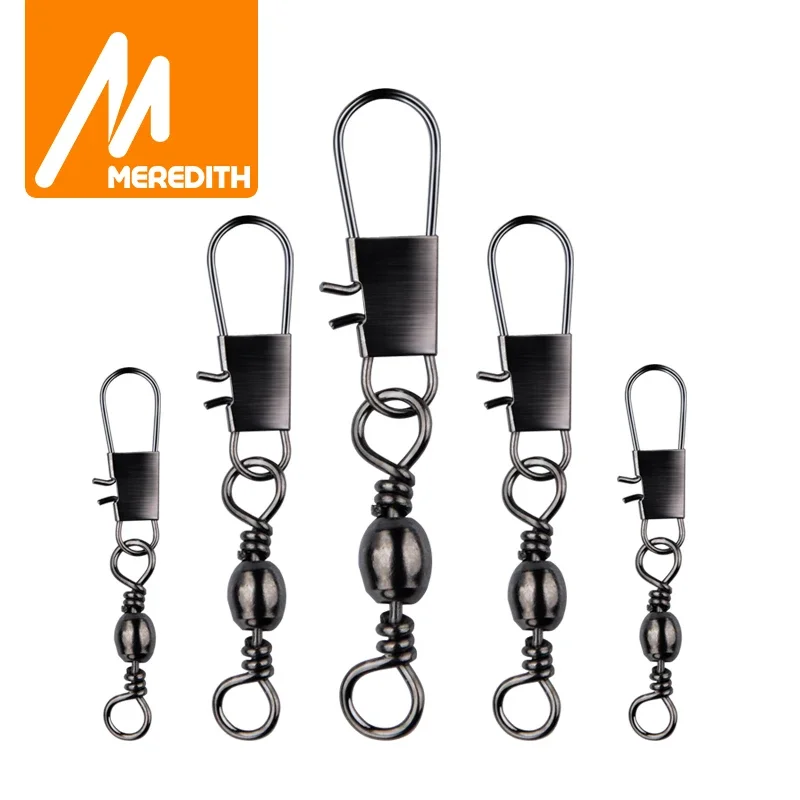
And because this is a bearing swivel fishing connector with a snap, you’re also getting speed. Quick lure swap. Quick rig swap. Quick leader change. Less faff, more casts — and that’s how bites happen.
How To Fish It
You’re not “working” a bearing swivel fishing connector with rod twitches (although that would be hilarious). You’re using it in the right places so your whole setup behaves.
1) Carp rigs and leaders
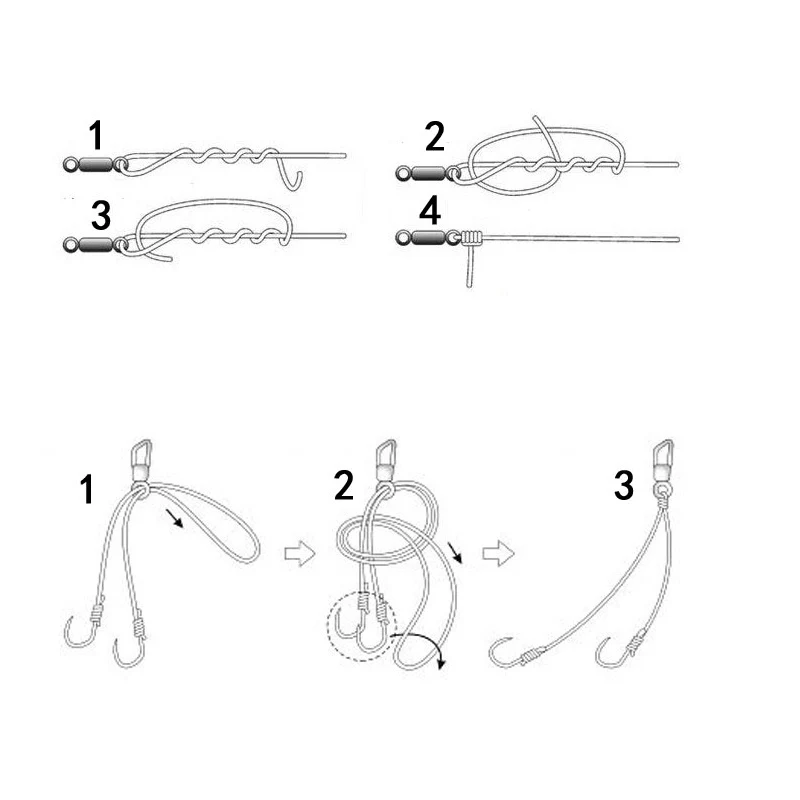
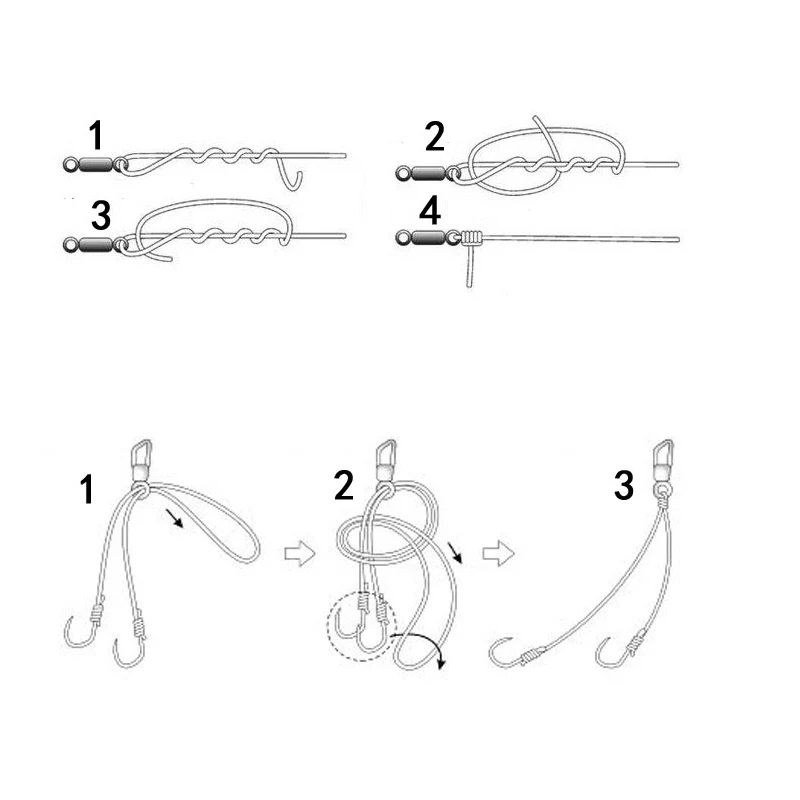
For carp, use the swivel between your mainline and your leader system (or in any rig/trace where twist can build up). If you’re tying leaders, use a strong knot that seats well and trim it clean. If you need a refresher on attaching swivels properly, there are loads of solid knot demos on YouTube — start with a simple, tidy swivel connection like this: Offshore swivel knot demo.
2) Predator rigs (pike and big perch)
If you’re running wire traces or steel leaders, the swivel is even more important because twist and kinks absolutely wreck wire. Pair this bearing swivel fishing connector with something like a ready steel leader and you’ve got a clean, reliable chain from mainline to bait. If you want a ready-made option on your site, your Heavy-Duty Steel Fishing Leader is bang on for toothy fish and rough sessions.
3) Lure fishing and quick changes
When you’re chopping and changing hardbaits, spinners, spoons, or anything that loves to spin the line, a bearing swivel fishing connector is your sanity. Clip on. Clip off. Keep moving until you find what they want. If you want a smaller “try-it-first” pack, your site’s Snap Swivels 50 Pieces is a neat alternative.
Want the “no-nonsense” breakdown of why swivels matter for line twist? Outdoor Life have covered line twist fixes and why a swivel is often the simplest answer: Outdoor Life.
When To Use It
Here’s the rule: if your setup can twist, use the bearing swivel fishing connector. That means:
- Spinners, spoons, blade baits — anything that naturally rotates.
- Carp rigs where the lead/rig can spin during retrieves or fish fights.
- Predator traces (especially wire/steel) where twist equals failure.
- Saltwater sessions where hardware gets hammered and tangles cost fish.
Also: in clear water, go smaller if you can. Most swivel guides agree the “best” swivel size is the smallest one that safely matches your line and target fish, because oversized terminal tackle can look clumsy. This is explained well (with charts) here: Types of Fishing Swivels and size charts.
Does It Actually Catch Fish?
A bearing swivel fishing connector doesn’t catch fish by itself — it stops you losing fish to dumb problems. It prevents line twist, reduces tangles, and makes your rigging more consistent. That means:
- More time fishing, less time unpicking knots like you’re doing embroidery.
- Your lure or rig tracks straighter and behaves more naturally.
- Fewer weak points caused by twisted line and kinked leaders.
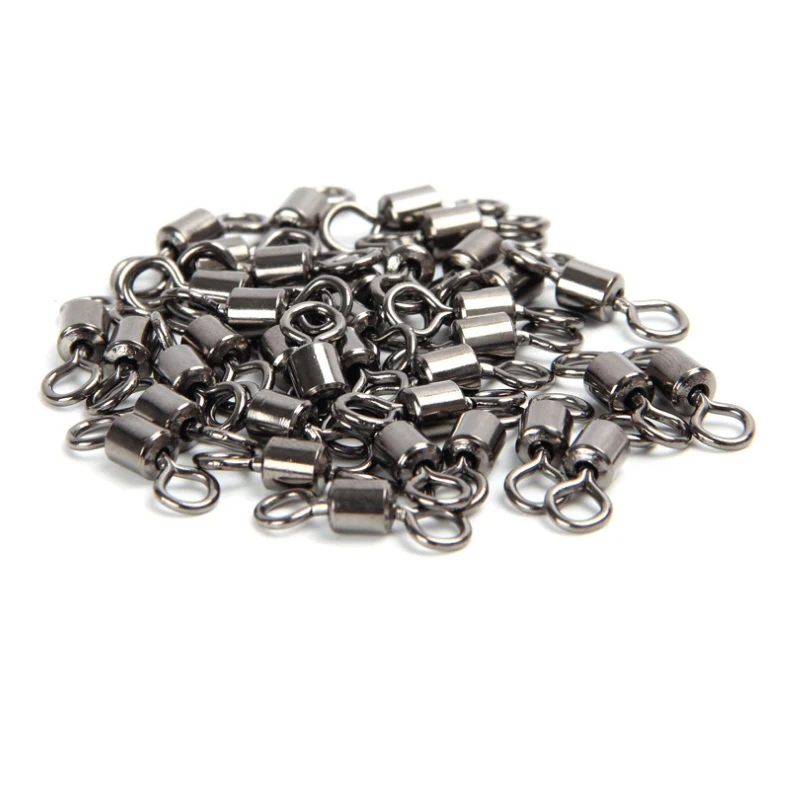
And the bulk part matters. A 500pc box means you actually replace hardware when it’s worn, instead of thinking “it’ll be fine” right before it absolutely is not fine.
Gear Pairing
This is where most people mess it up: they buy a swivel, then tie it onto line that’s way stronger than the swivel rating. That’s like putting bicycle tyres on a bakkie.
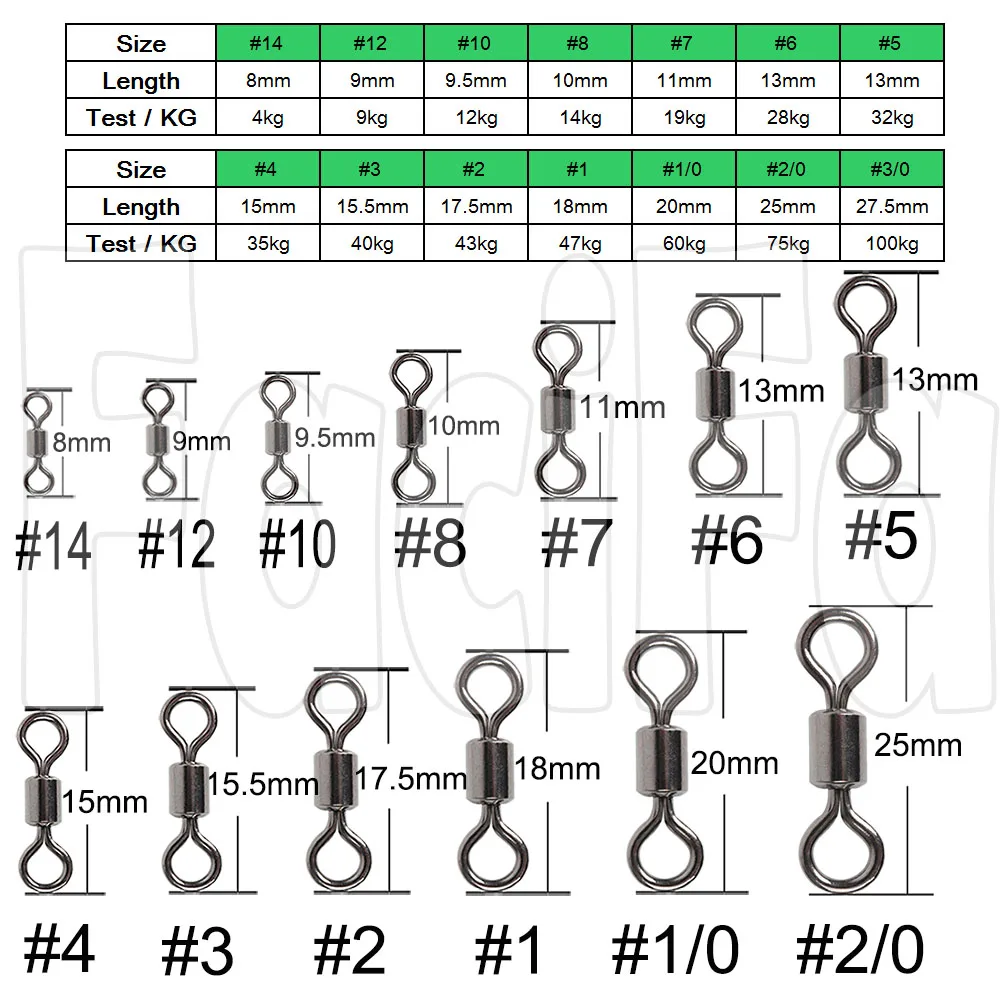
Use the size table below as a sensible starting point, then match your mainline and leader to the job. For carp and general freshwater:
- Mainline: 10–20lb mono/fluoro or 20–40lb braid depending on snags and fish size.
- Leader: fluoro leader for stealth, or steel/wire for pike.
- Swivel size: go smaller in clear water, bigger when you need strength and abrasion resistance.
If you want a “quick swap” style setup you can copy across other products, your Rolling Swivel Snap Connectors – 4 Size 100pcs page is a good reference point for how your store positions these bits of kit (and it links nicely as a related option).
For extra rig inspiration, have a nose at proper rig walkthroughs on big fishing sites — Bassmaster and Wired2Fish both have loads of practical rigging and terminal tackle talk: Bassmaster and Wired2Fish.
Specs
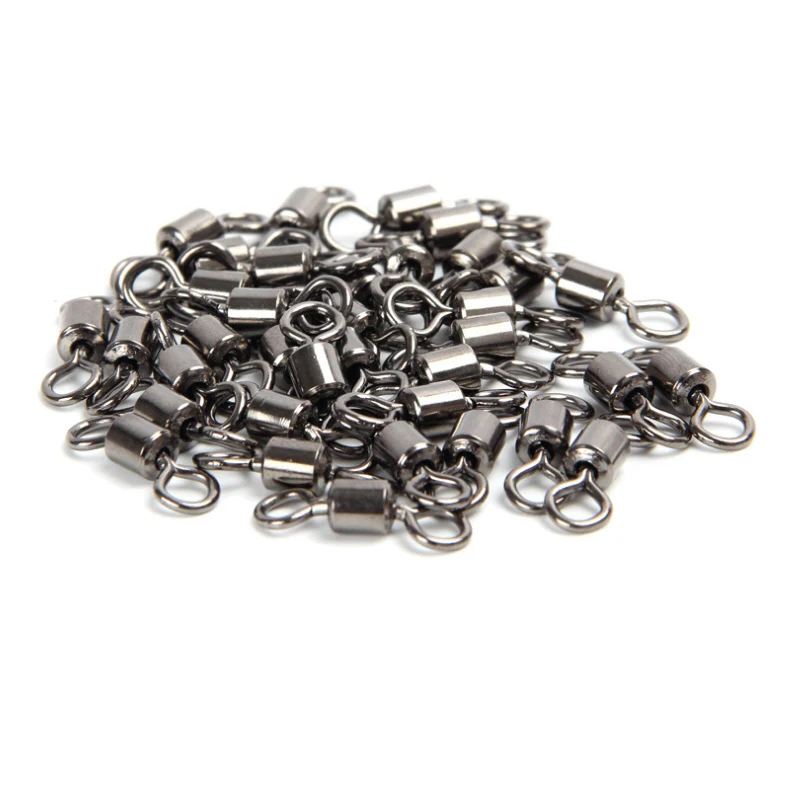
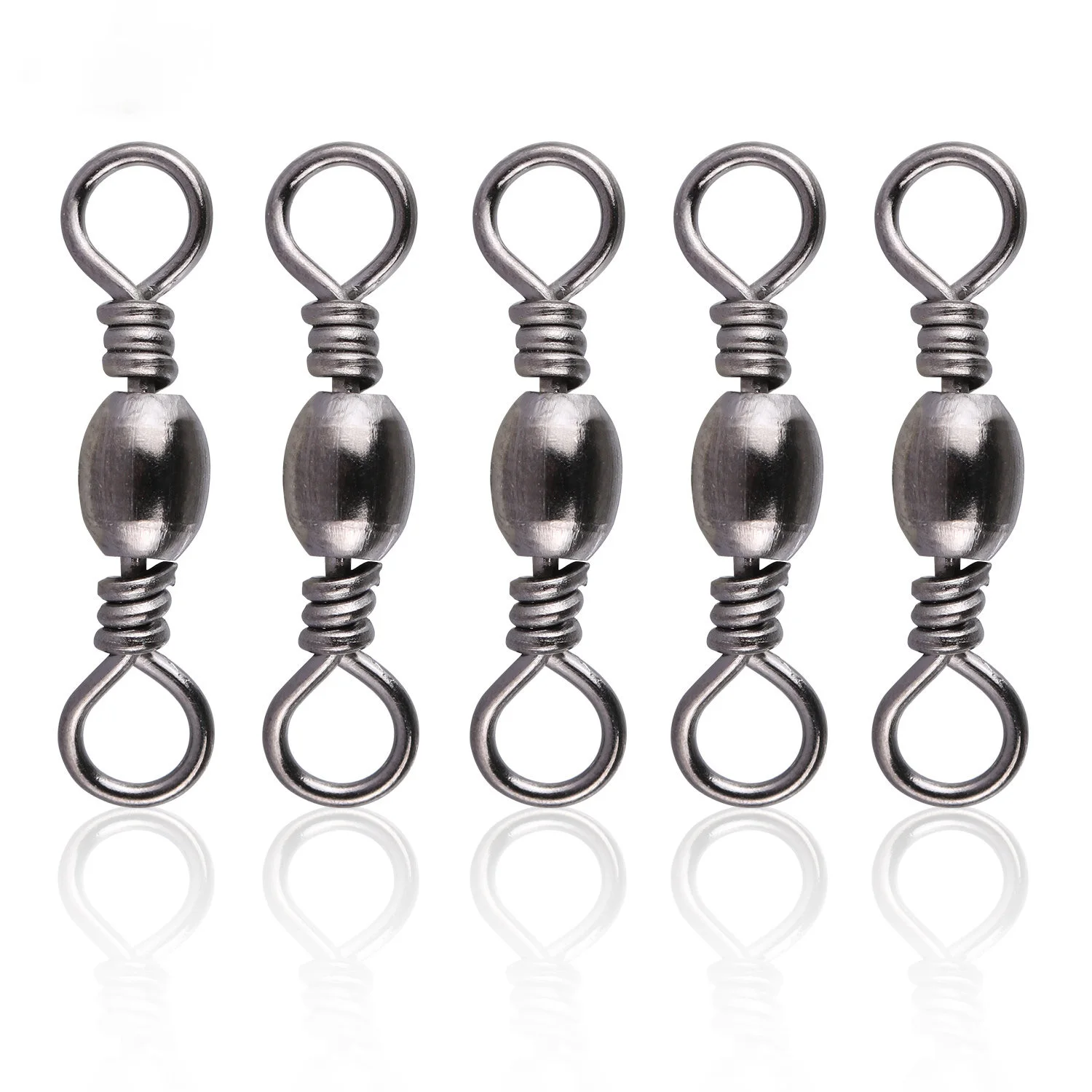
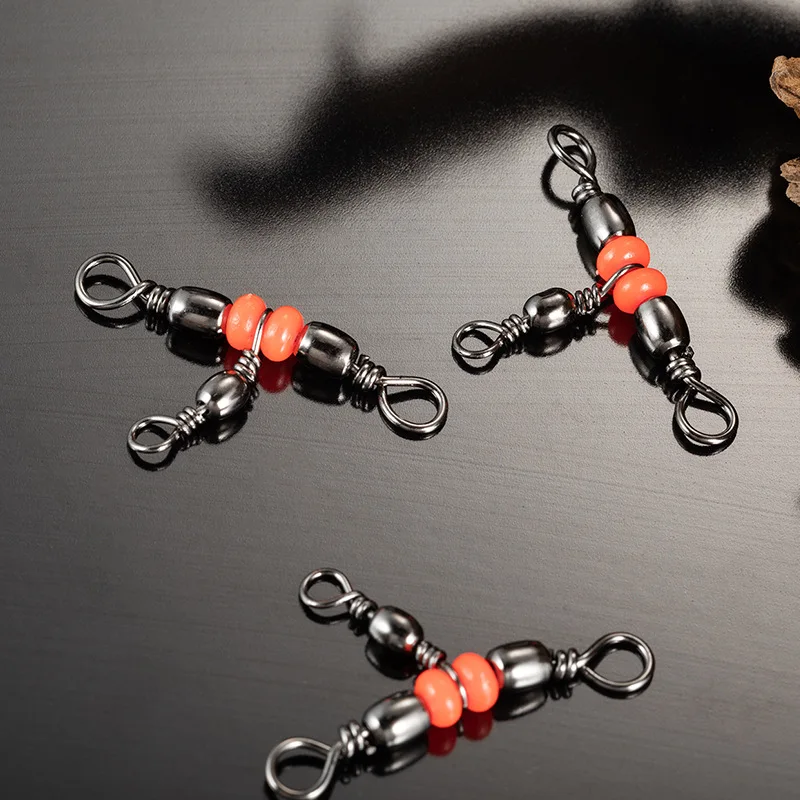
- Type: Rolling / bearing-style snap connector swivel (barrel swivel with snap)
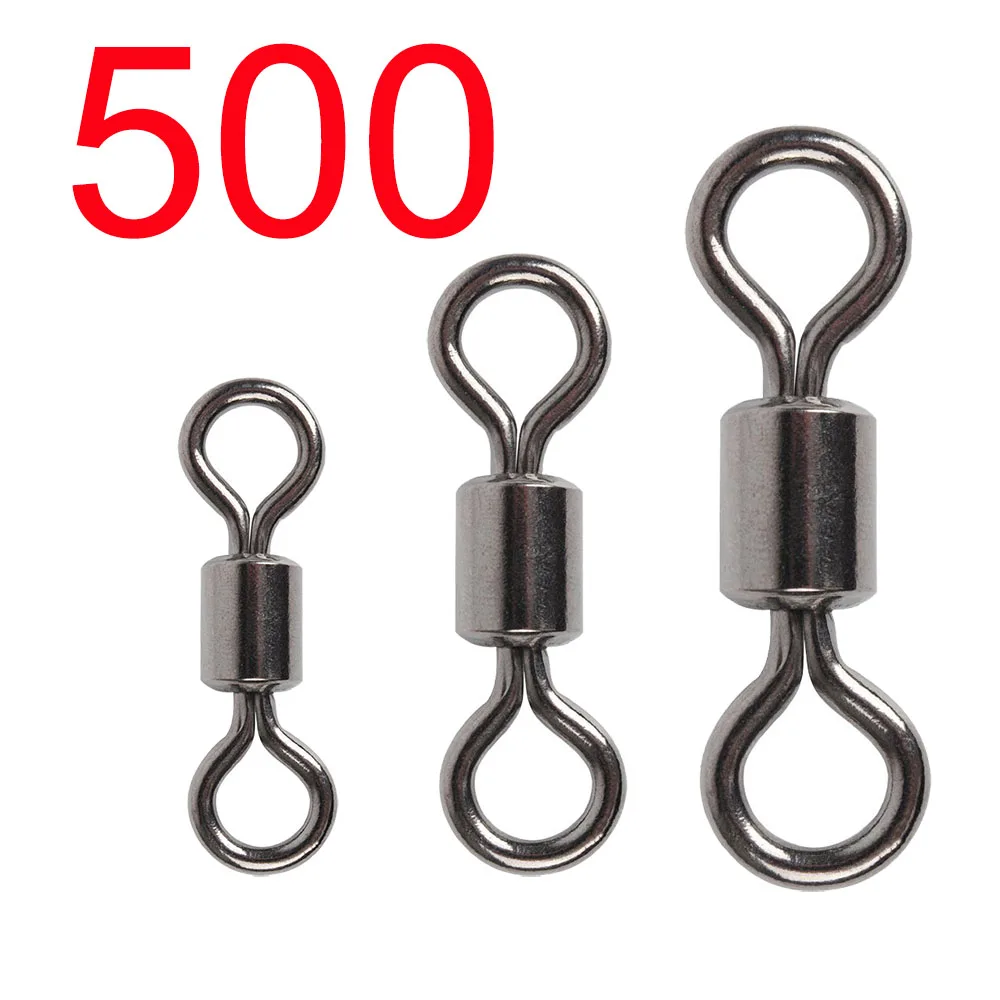
- Pack size: 500pcs per box
- Material: High carbon steel (listing spec)
- Colour/finish: Black silver / black nickel style finish (listing spec)
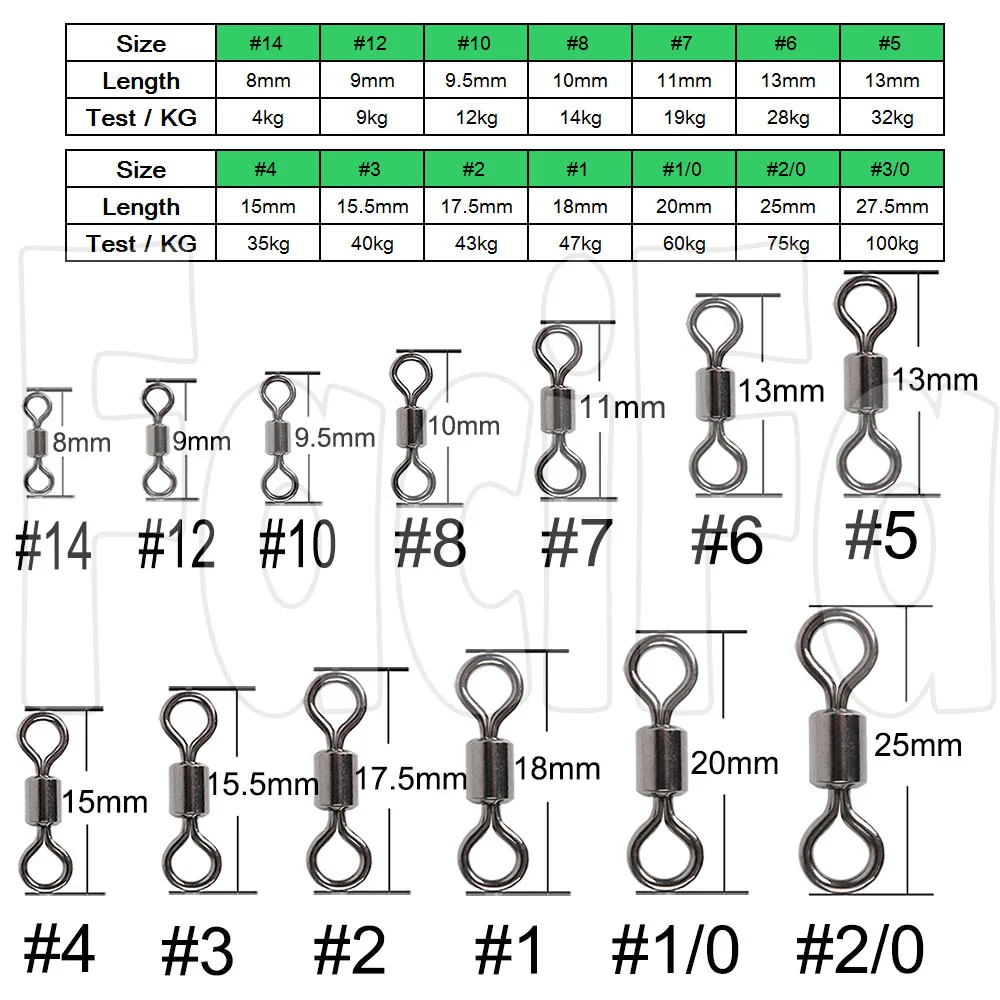
- Sizes included: 4#, 6#, 8#, 10#, 12#
- Stated feature: Strong tensile force
Size guide (typical reference)
Because swivel sizing can be confusing (and brands vary), here’s a useful rule-of-thumb chart for common swivel sizes. Use it to pick a size that matches your line and target fish.
| Swivel size | Breaking strain (lb) | Breaking strain (kg) | Length (mm) | Best for (quick guide) |
|---|---|---|---|---|
| 4 | 77 | 35 | 15 | Heavier carp rigs, snaggy water, pike traces |
| 6 | 66 | 30 | 12.5 | All-round freshwater leaders and rigs |
| 8 | 41 | 19 | 11 | Lighter rigs, clearer water, finesse work |
| 10 | 31 | 14 | 8.9 | Light leaders, small lures, cautious fish |
| 12 | 20 | 9 | 7.1 | Ultra-light, trout-style applications |
Note: The table above is a general size reference. Always sanity-check against your exact product’s stated rating if provided.
FAQ
Do I need a bearing swivel fishing connector on every rig?
No, mate. Use a bearing swivel fishing connector when twist is likely (spinners, rotating baits, some rigs, rolling fish). For simple jigs and soft plastics, a direct knot often fishes cleaner.
Which size should I start with for carp?
Most anglers land in the 6–4 range depending on snags and line strength. If you’re unsure, start with size 6 for general carp rigs, then bump up to size 4 if you’re fishing rough structure or heavier leaders.
Will the snap spook fish?
In gin-clear water, oversized hardware can look a bit “clunky”. That’s when you drop down to a smaller swivel size and keep everything tidy. In coloured water or heavy cover, fish usually couldn’t care less.
Can I use this in saltwater?
Yes — just rinse it after the session. Salt is a terminal tackle assassin, even for decent finishes.
What’s the biggest mistake people make with swivels?
Using a swivel that’s weaker than the line, or reusing old bent snaps because “it’s probably fine”. Replace tired hardware. Fish don’t give second chances.
Final Verdict
If you want fewer tangles, faster changes, and cleaner rigs, a bulk bearing swivel fishing connector box is one of those boring purchases that quietly upgrades your whole fishing life. It’s not glamorous — but neither is cutting out a bird’s nest in the wind while your mate catches the only decent fish of the day.
Use the right size, tie proper knots, and replace hardware before it fails. Then you can focus on the fun bit: making fish do stupid things.
Stock up once, rig like a grown-up, and spend your sessions catching fish instead of untangling regrets.
Real customer reviews