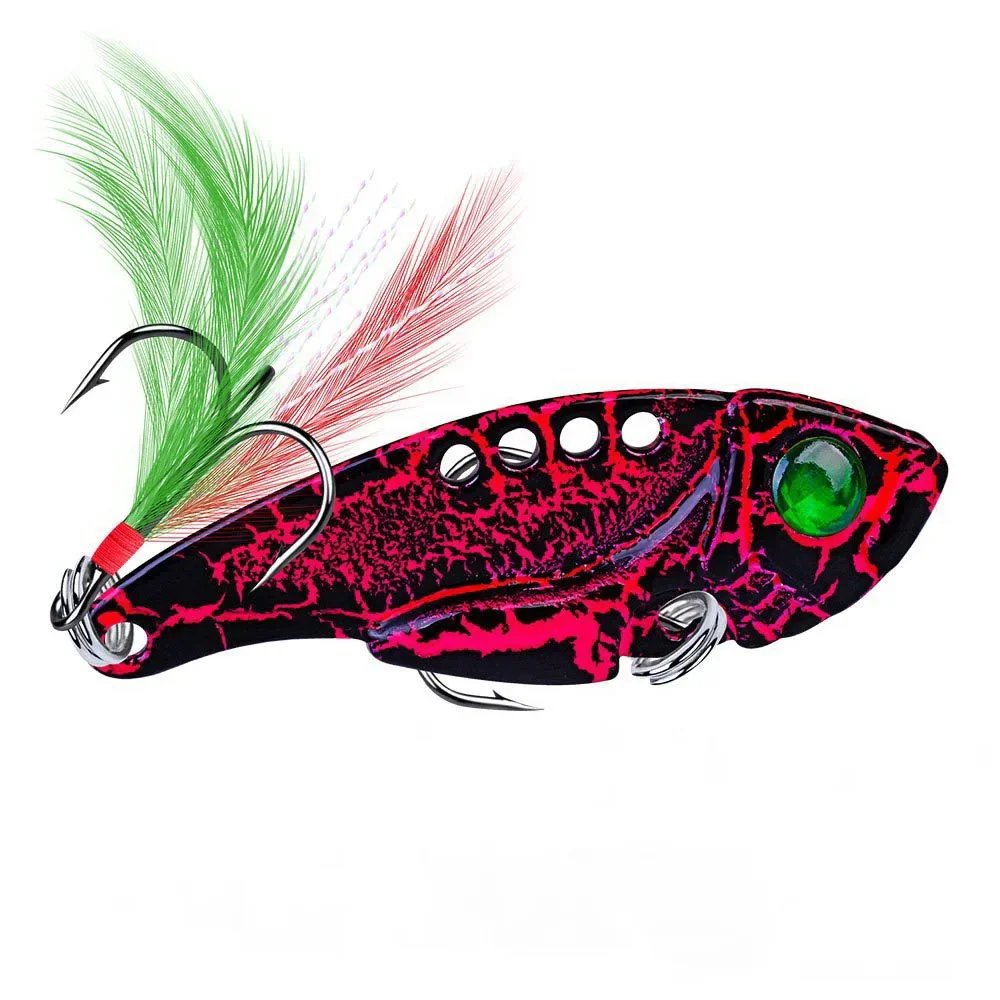
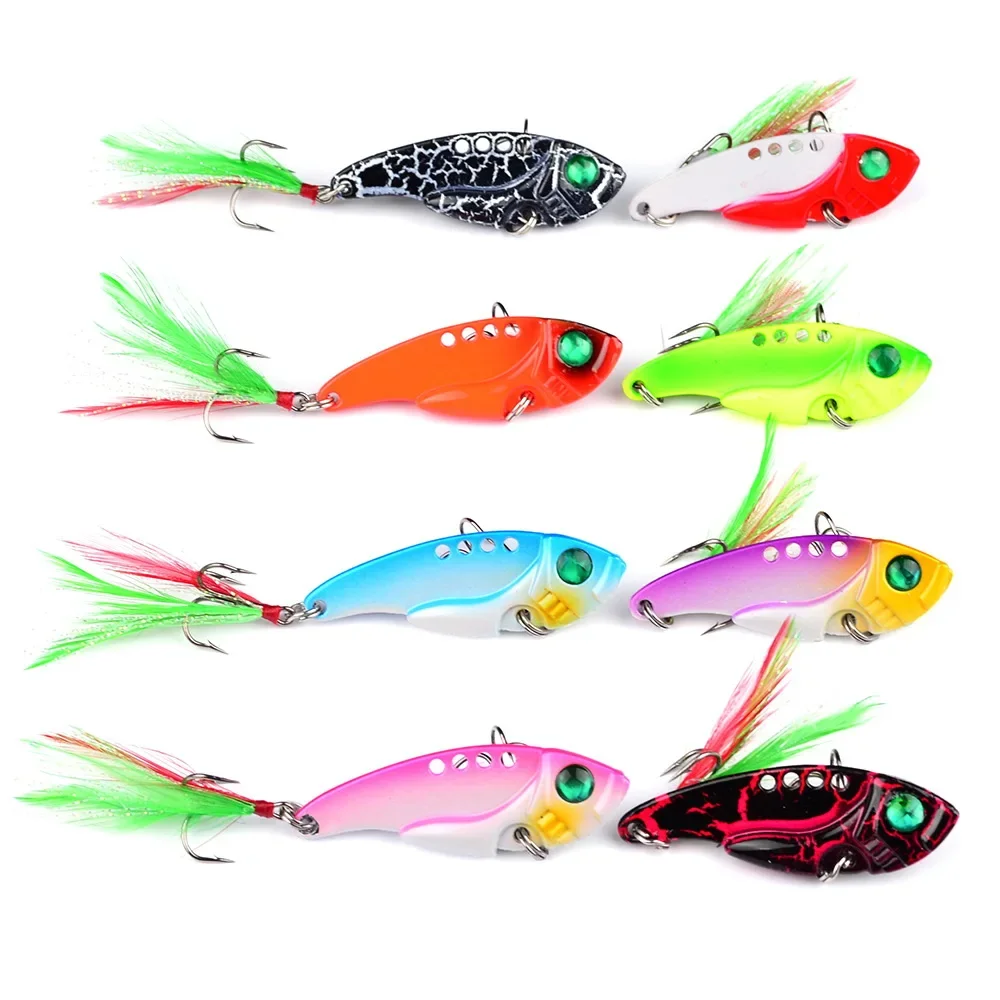
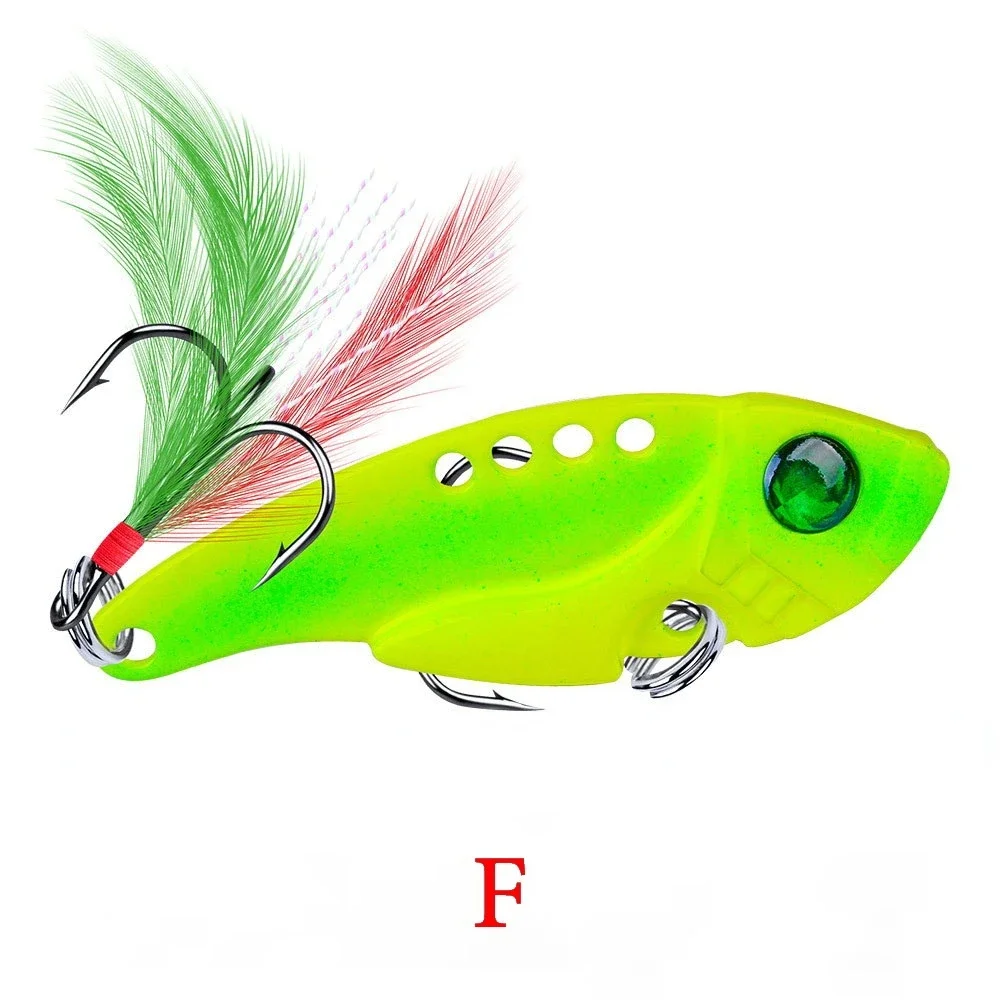

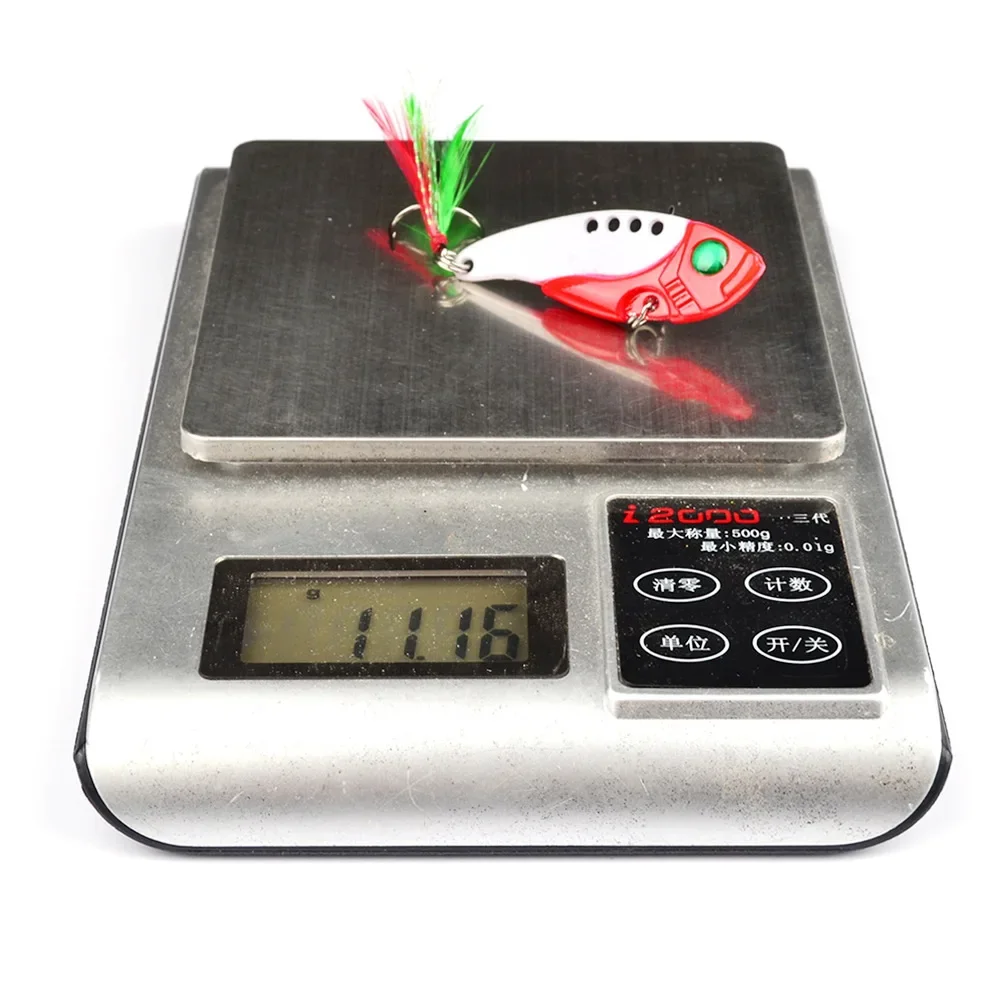
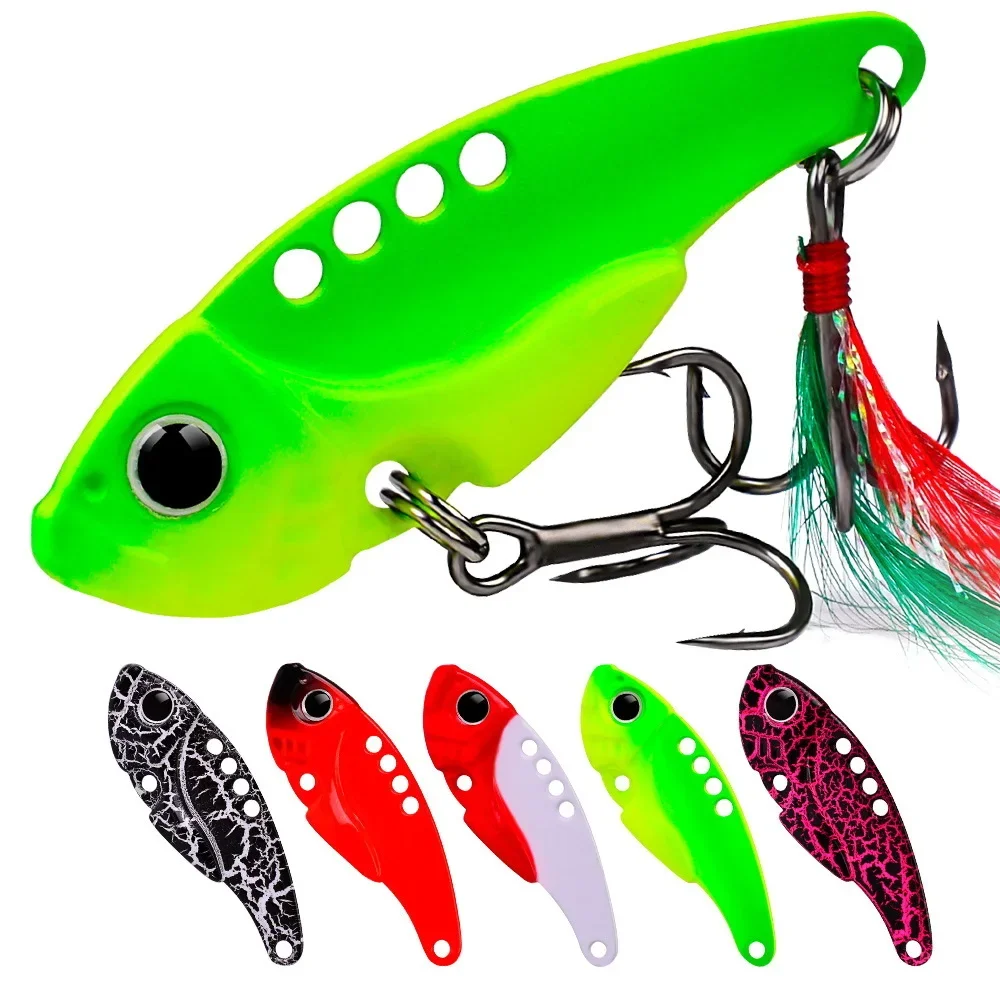
If you like simple lures that just flat-out catch fish, a pike spoon bait needs to live in your box. This one keeps it old school in a good way: a compact 50mm spoon (listed around 10.5g and roughly 11g in the item specifics), a strong treble hook and eight different colour options. No batteries, no gimmicks – just flash, wobble and a profile that predators have been eating for decades.
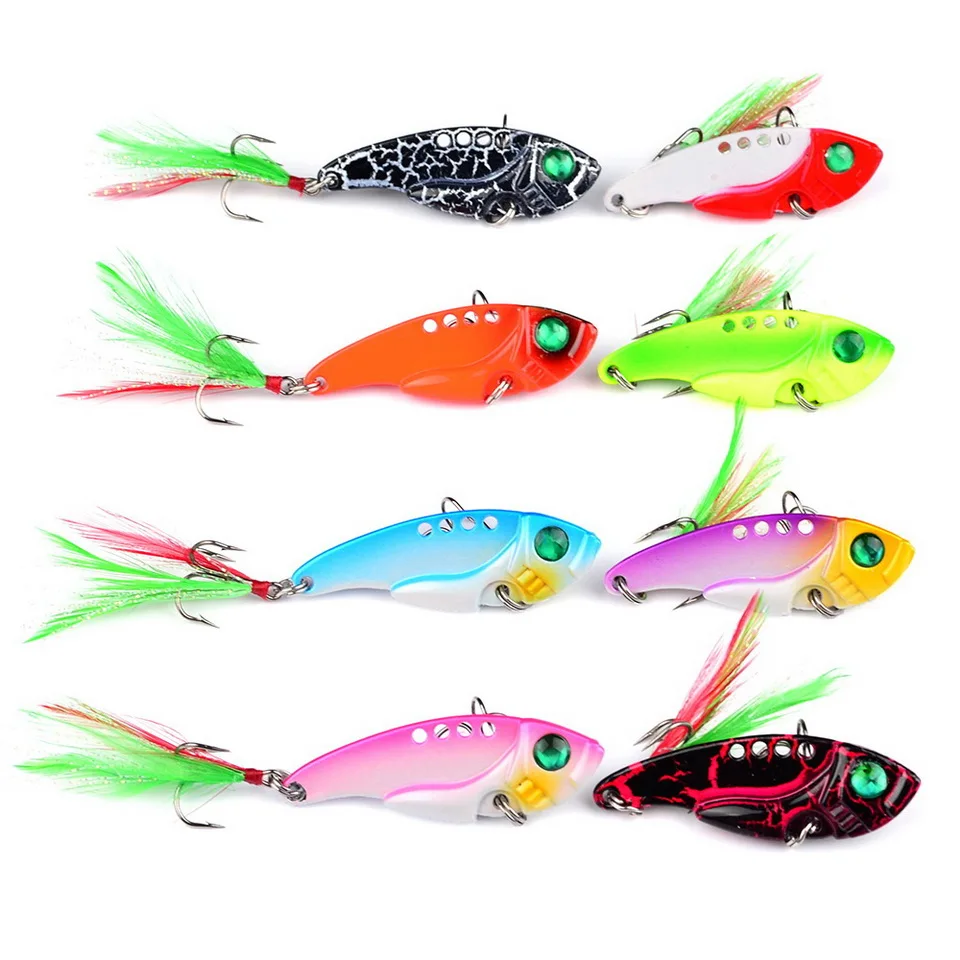
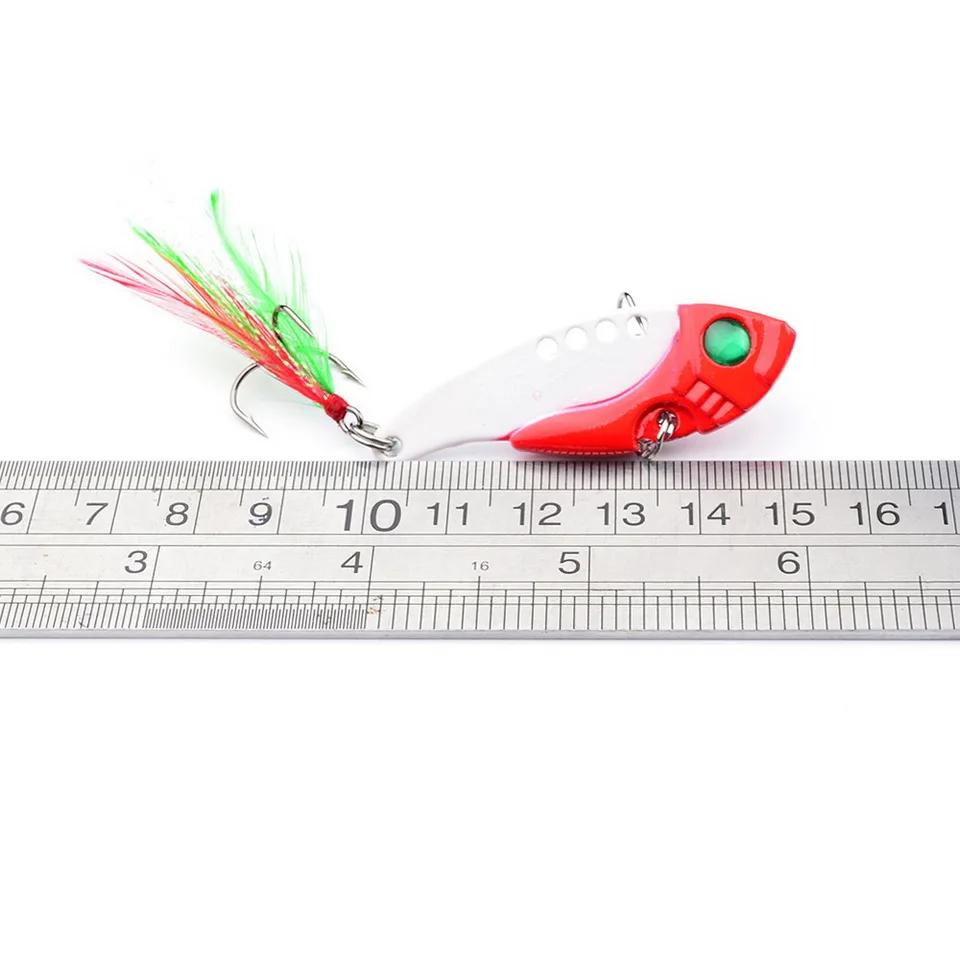
The product details on the page spell it out: weight around 10g ±1g, length about 50mm ±5mm, one lure per pack and eight colours to choose from. The item specifics back it up with a 55mm, 11g listing under model DW382 from SANMO. Either way, you are talking about a small but heavy spoon that casts like a bullet, sinks quickly and wobbles hard enough for pike and bass to feel it from a fair distance.
Why This Lure Works
Spoons are one of those “if it stopped working tomorrow, the fishing world would panic” lures. They have been catching pike, bass and pretty much everything else for longer than either of us have been alive. Outdoor Life’s pike lure roundups talk about spoons as versatile tools you can burn, slow roll, jig or troll at any depth, and still get bit. Field & Stream call spoons one of the best all-round lures for bass, pike, trout and walleye for the same reason – they just look like injured baitfish from every angle.
This particular pike spoon bait leans into that classic formula:
- Compact, dense body: around 10–11g in a 50–55mm package means serious casting distance and a fast sink rate for covering depth.
- Wide, fishy wobble: that spoon-shaped body swings side to side, flashing hard and kicking like a panicked baitfish.
- Single treble hook: easy hookups and solid holding power when a pike head-shakes at the net.
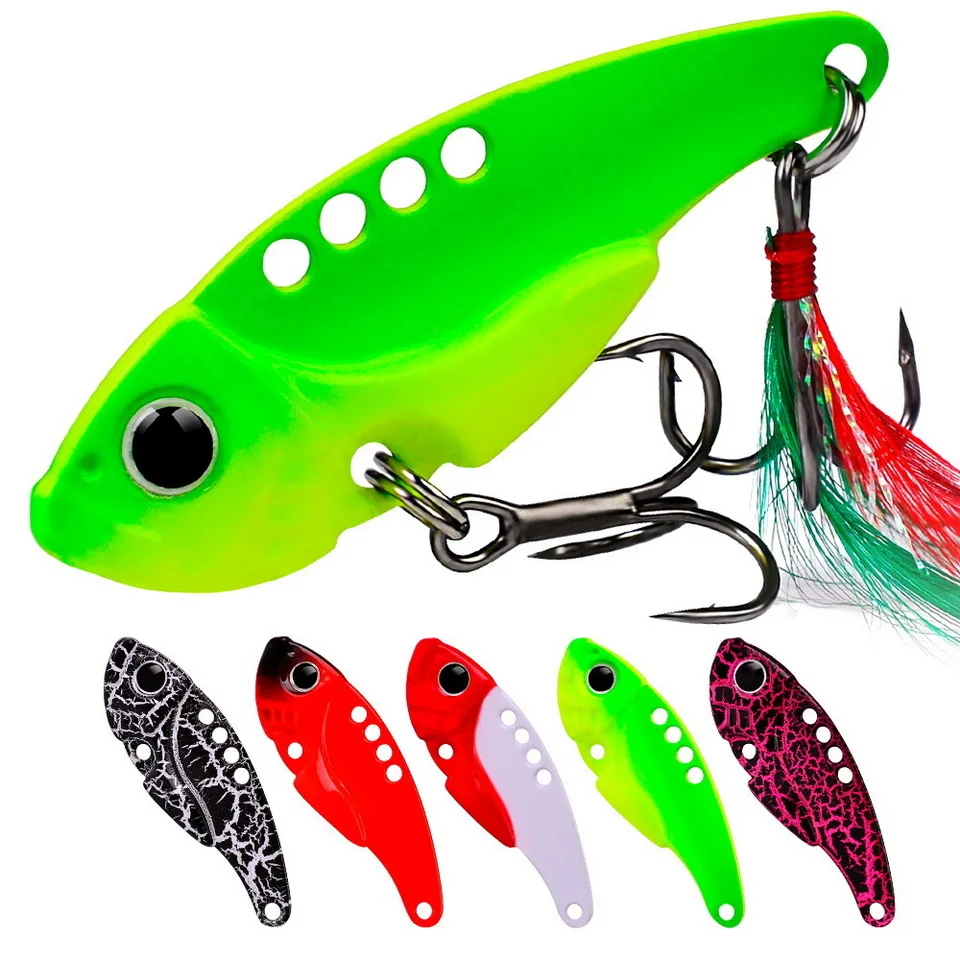
- Eight colour options: from subtle metallics to brighter patterns, so you can match clear, stained or dark water.
On top of that, spoons are tough. Outdoor Life’s classic spoon article points out that big pike can absolutely destroy balsa cranks and spinner skirts, but spoons keep on trucking – and sometimes the more scratched up they are, the better they fish. So this little chunk of metal is built for a scrap.
How To Fish It
You do not need twenty different retrieves. A handful of simple ones cover most situations with this pike spoon bait.
1. Straight cast and wind
The most underrated way to fish a spoon. Cast as far as you can, count it down to the depth you want, then just wind it back with a steady retrieve. Let the spoon do the work – that wobble and flash are what trigger the bite. Bassmaster’s spoon guides talk about slow rolling spoons for suspended bass, and the same deal applies to pike on points and drop-offs.
- Colder water: slightly slower retrieve, rod tip low to keep it down.
- Warmer water: speed it up and add the odd tap of the rod tip for an erratic kick.
2. Lift–fall (yo-yo) retrieve
This is where things get fun. Cast out, let the lure sink close to bottom, then:
- Lift the rod tip 30–60 cm so you feel the spoon kick and flash.
- Drop the rod and follow the lure down on semi-slack line.
- Repeat all the way back.
Articles from Wired2Fish and Bassmaster structure spoon pieces both hammer the same point: most bites happen on the fall. So if anything just feels “heavy” or the line ticks, lean into it. Pike in particular love to whack a spoon that is suddenly fluttering away from them.
3. Vertical jigging under the boat or through ice
If you are sitting on top of a school or fishing deep holes, drop the spoon straight down and jig it in place. Short pops to make it kick and flash, then let it flutter back. Pike and bass will often show up on electronics underneath bait balls, and a fluttering spoon looks like the wounded straggler. Guides in pike ice-fishing articles talk a lot about spoons being absolutely deadly when jigged vertically like this.
When To Use It
The nice thing about this pike spoon bait is that it is not a one-season wonder. It gets used all year – you just change weight, retrieve and where you throw it.
- Spring: cast along warming shorelines and bays. Pike move shallow to hunt, bass cruise flats. A steady retrieve a couple of feet down does damage.
- Summer: work it around weed edges and deeper points. Count it down to just above the weeds and either slow roll it or yo-yo it through the edges.
- Autumn: this is spoon season. As baitfish ball up, chuck your pike spoon bait around bait schools and let it flutter through them. Field & Stream’s spoon guide describes spoons as one of the best fall lures for exactly that reason.
- Winter: slow it right down, whether from the bank or vertical. Short hops, long pauses. Cold-water spoon pieces on Wired2Fish make it clear: heavy metal plus slow, subtle movements equal bites when nothing else gets a sniff.
Does It Actually Catch Fish?
Short answer: yes – spoons have probably caught more pike than half the “must-have” lures on Instagram put together. If you jump onto threads on r/Fishing about pike spoons, you will see the same story over and over: spinners and spoons, especially classic patterns like firetiger or silver, are still producing after decades.
For bass, spoons are no joke either. Field & Stream’s fall spoon guide and several Bassmaster spoon features show them catching largemouth and smallmouth on deep structure, suspended fish and schooling bait situations.
So, whether you are throwing this spoonbait at pike on a big windy reservoir or slow rolling it along a rock wall for bass, it is not a “maybe” lure. It is a “have you actually tried a spoon yet?” lure.
Gear Pairing
You do not need a specialist setup for this pike spoon bait, but a few choices make it much nicer to fish:
- Rod: A 6’6″–7′ medium or medium-heavy rod with a bit of tip gives you casting distance, hook-setting power and some forgiveness when pike go nuts boat-side.
- Reel: A 3000 size spinning reel or a mid-speed baitcaster (around 6.3:1–7.3:1) is ideal for casting and controlling retrieve speed.
- Line: Braid to leader works brilliantly. Think 20–30 lb braid to a 12–20 lb fluorocarbon or mono leader for pike, heavier if there are big girls around. For dialling in your rod and line choices, the general advice in the Best Bass Fishing Setup guide on BassFishingTips.US is a solid reference.
- Leader for pike: If you are specifically chasing pike, add a short wire or thick fluoro leader in front of this spoonbait unless you enjoy surprise break-offs.
In your box, this spoon sits nicely next to other metal and baitfish profiles from the shop. For example, you can run this as your classic pike spoon bait, then switch to the Outkit Metal Mini Spoon Spinner when you want a smaller profile or more vibration. If they are chasing soft stuff instead, something like the Ripple Shad Soft Lure gives you a swimbait option that still fits the same “baitfish” job.
And if you are newer to lure fishing in general, the big-picture overview in Best Bass Fishing Lures for Beginners is worth a read so you know where spoons sit in the bigger lure family.
Specs
- Type: Metal spoon wobble bait / vib spoonbait
- Target species: Pike, bass and other predators
- Length (listed): 50mm ±5mm in Product Details, 55mm in Item Specifics
- Weight (listed): 10g ±1g in Product Details, 11g in Item Specifics (roughly 10.5g working weight)
- Quantity: 1 piece
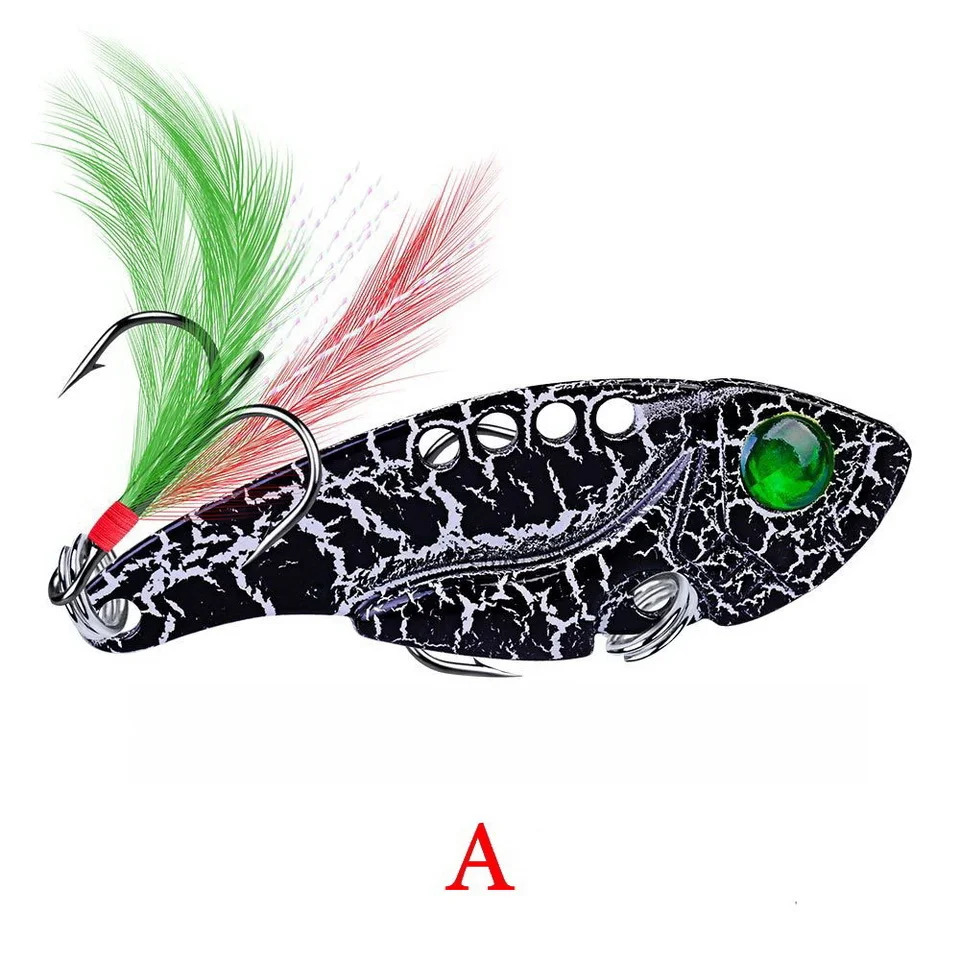
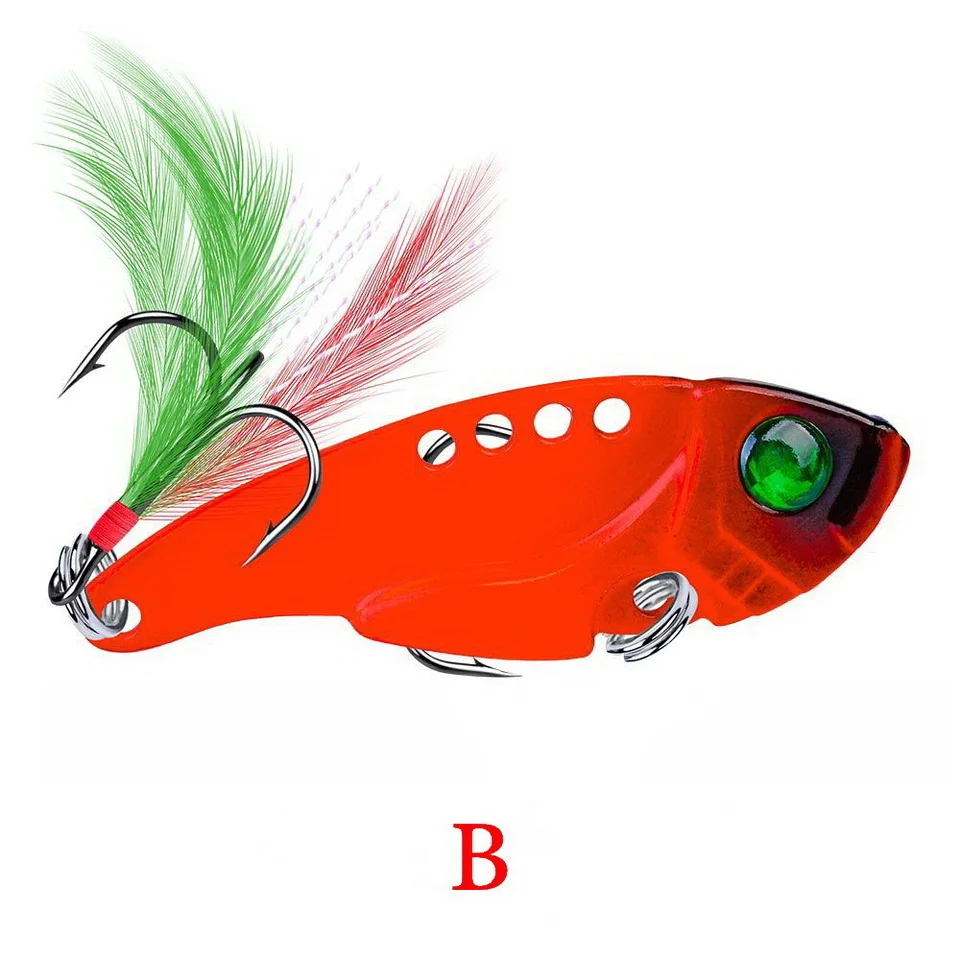
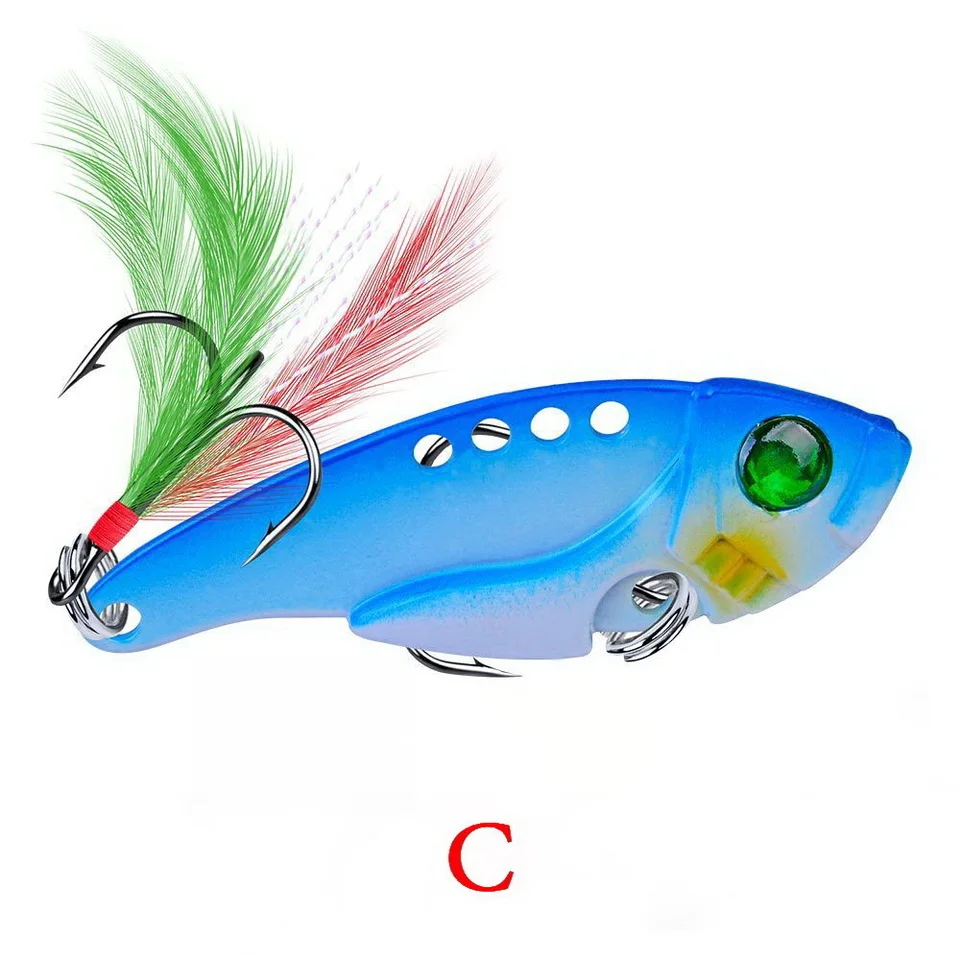
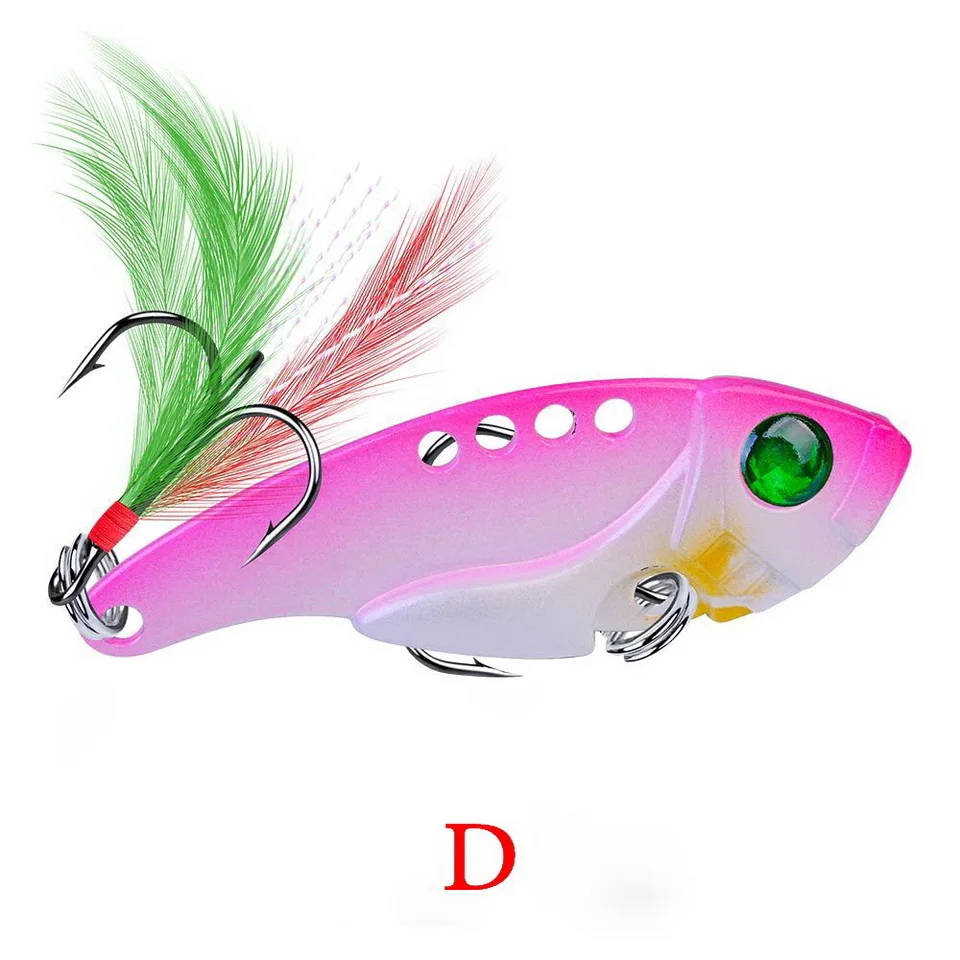
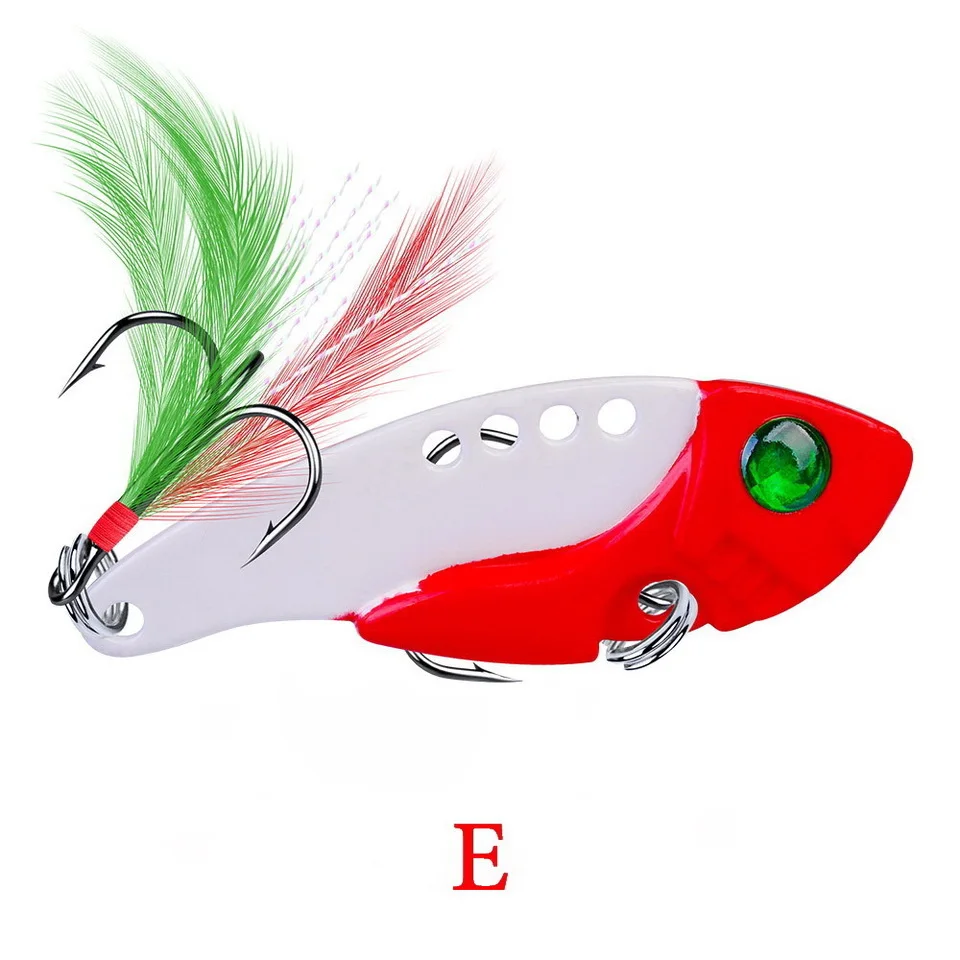
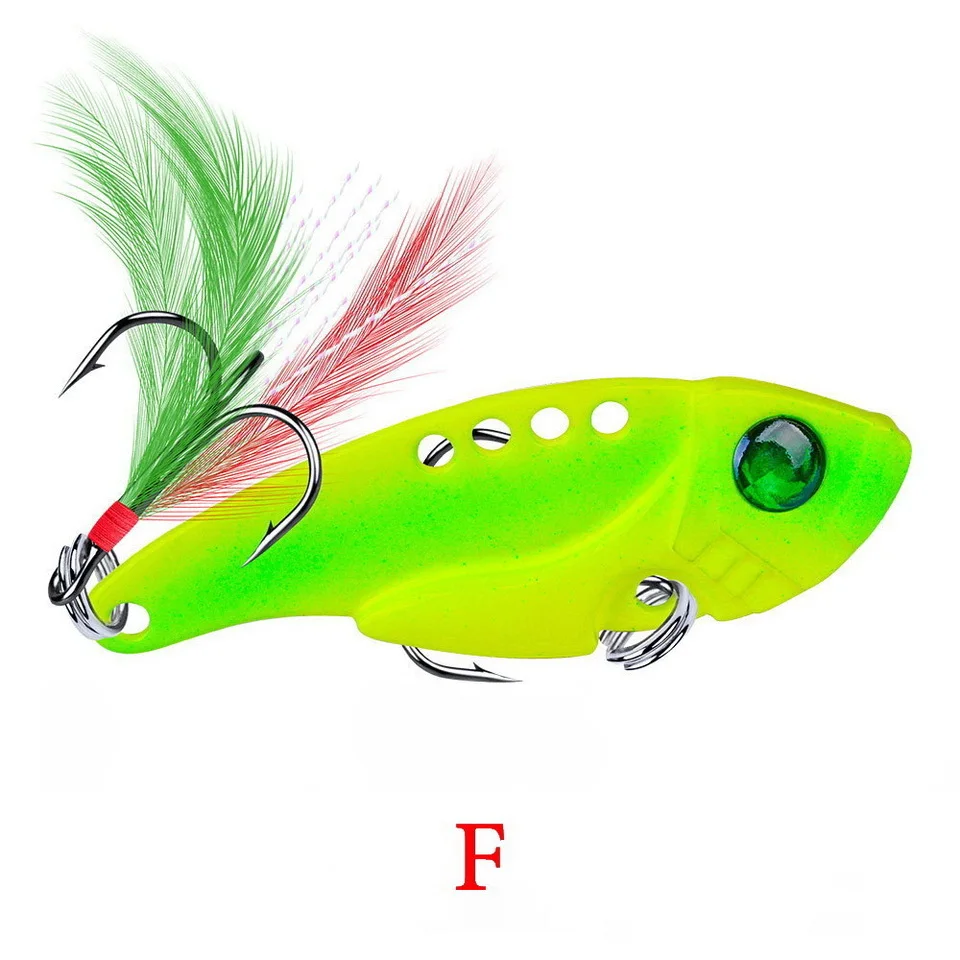
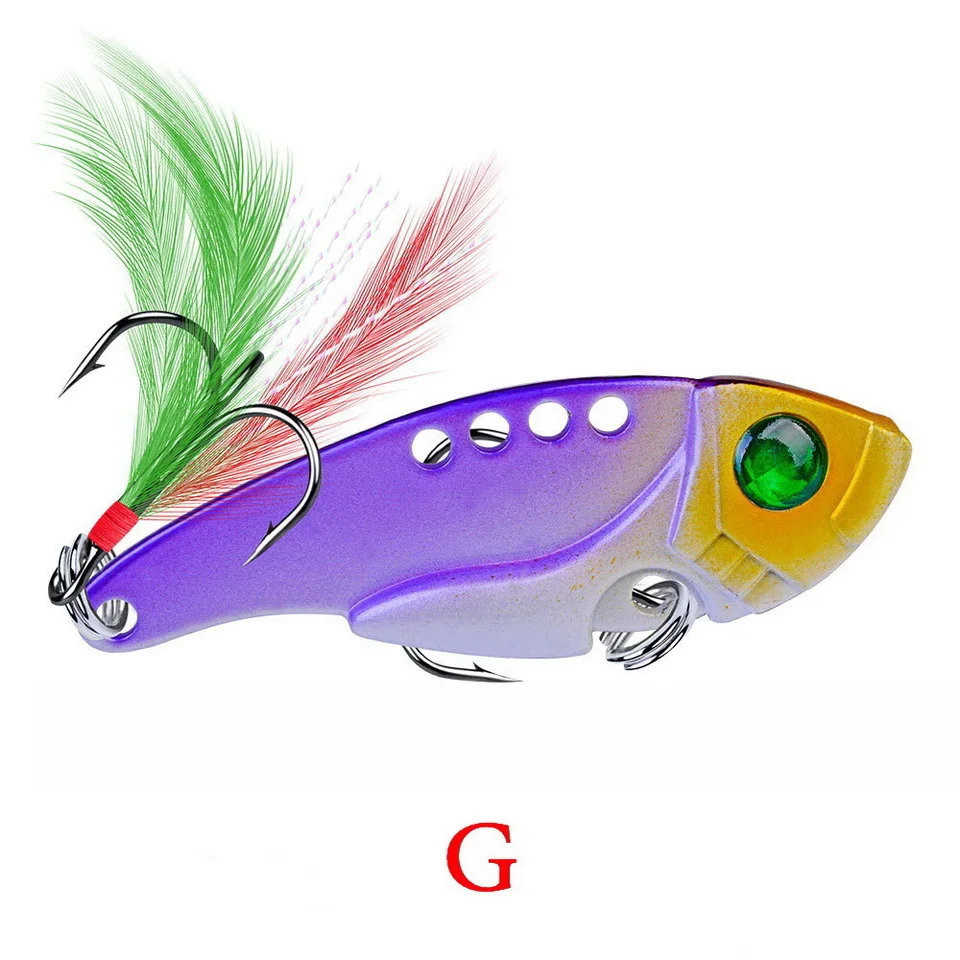
- Colours: 8 different colours (A–H on the product page)
- Eyes: Black or green, shipped at random
- Brand: SANMO (model DW382)
- Category: LURE
- Recommended position: Ocean rock fishing and general predator work in lakes and rivers
FAQ
Is this pike spoon bait only for pike, or will it work for bass too?
It will definitely work for bass as well. Spoons are classic lures for largemouth and smallmouth, especially in autumn and winter around bait schools and deep structure. The 50mm size is small enough that bass will absolutely clobber it.
What colour should I choose?
As a simple rule: silver and gold for clear water and sunshine, brighter patterns (firetiger, chartreuse, orange) for stained water or when pike are feeding on perch and other colourful forage. A lot of pike anglers swear by firetiger or bright belly colours, while bass often love more natural metallics.
Will it snag a lot?
Any spoon can snag if you drag it straight through heavy weed or timber. To minimise that, keep it above the densest cover, watch your line angle and lift the rod if you feel it starting to bury. Open rock, points, drop-offs and weed edges are this lure’s happy place.
What retrieve should I start with if I am new to spoons?
Start simple: cast as far as you can, count down to mid-depth, then just straight retrieve with the odd pause. Once you are comfortable, mix in lift–fall (yo-yo) retrieves and vertical jigging – just like the spoon techniques you will see in Wired2Fish and Bassmaster videos.
Final Verdict
If you want a lure that earns its keep all year, this compact pike spoon bait is an easy yes. It is small enough to match real baitfish, heavy enough to bomb a cast into the wind and tough enough to handle pike teeth and cranky bass. Plus, you are not learning some totally new technique – you are just casting, counting down and letting a proven shape do its thing.
Pair it with a couple of other confidence baits from your box, and you have a simple little system: spoons for flash and wobble, soft paddletails when they want subtle, and maybe a jerkbait for when they are suspended and picky. This spoonbait is the hard-hitting, no-nonsense part of that trio.
Next cold, windy or baitfish-heavy day, tie this spoon on, send it out and wait for that rod to lurch over.


Real customer reviews