
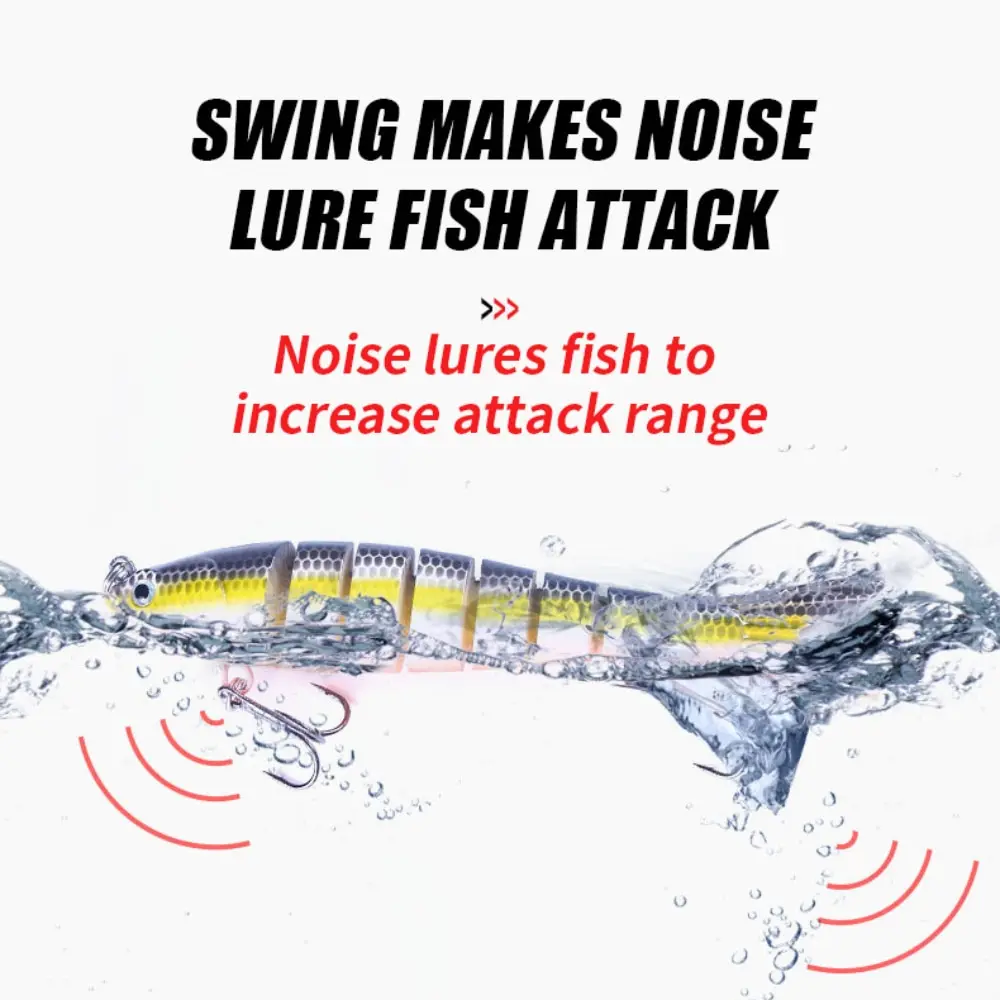
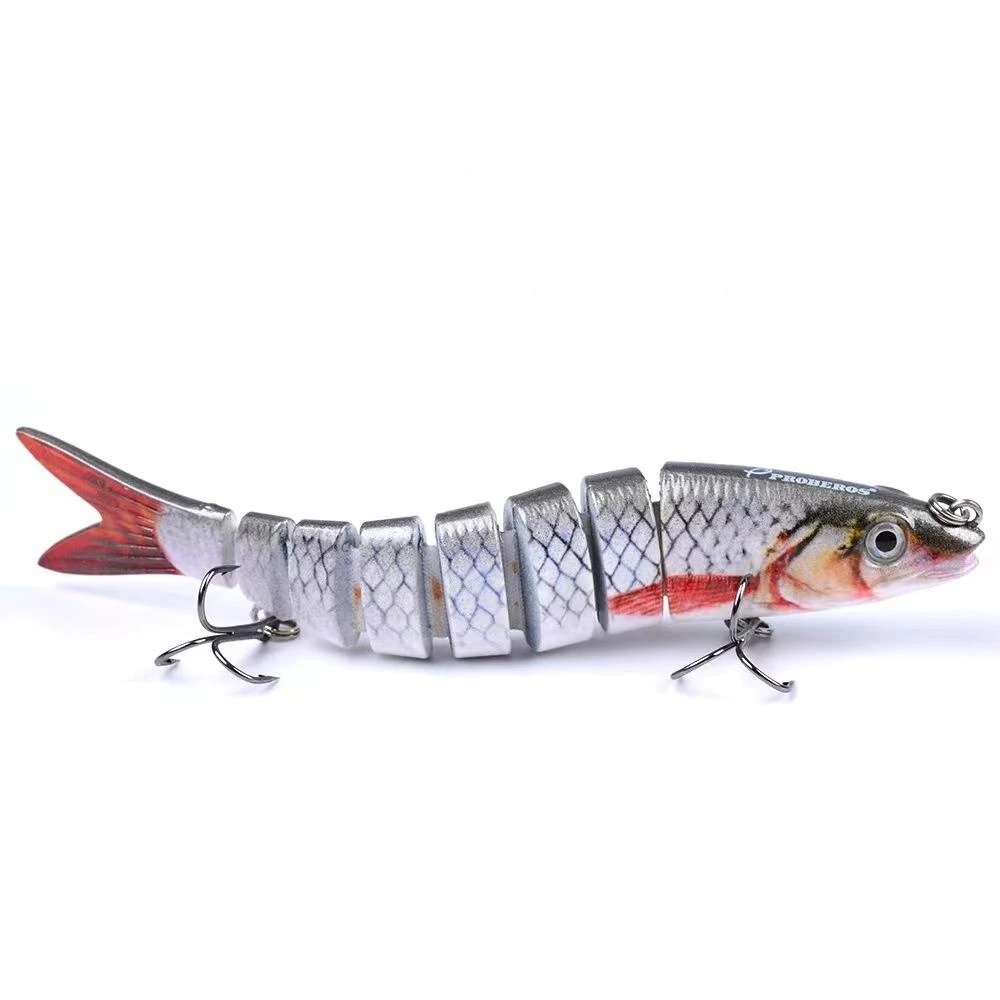
Real talk – when a multi jointed swimbait saves the day
You know those sessions where you can see life everywhere, but nothing is actually committing? Bait flicking on the surface, the odd swirl, the sound of a good one busting twenty metres out, and your spinnerbait or worm just gets ignored. That is exactly when this multi jointed swimbait earns its keep.
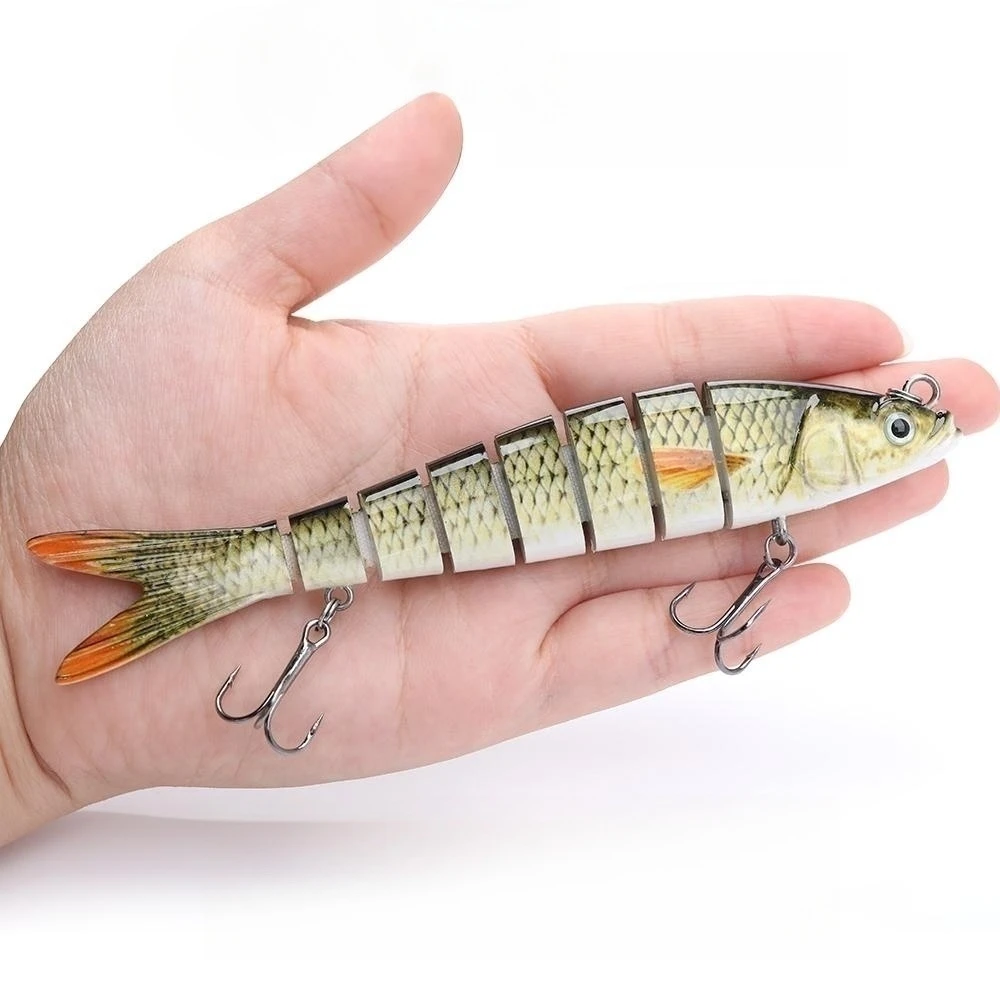
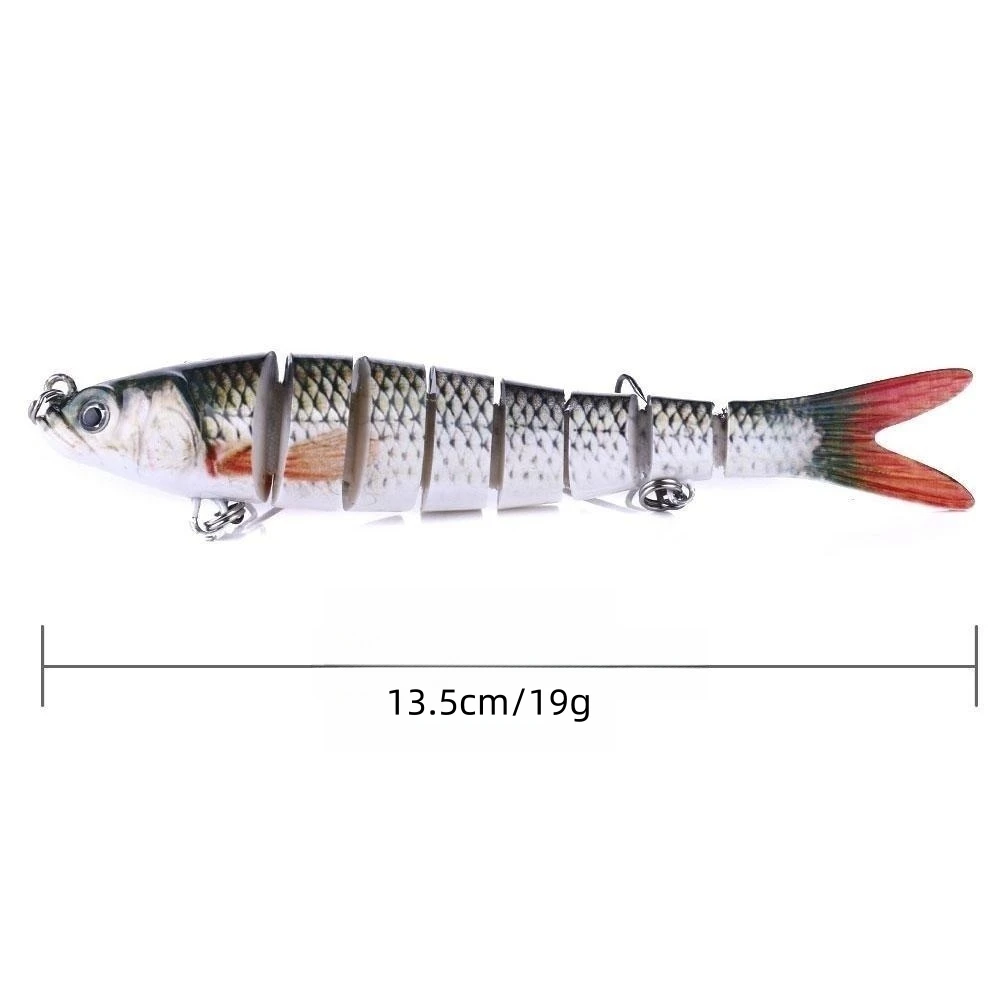
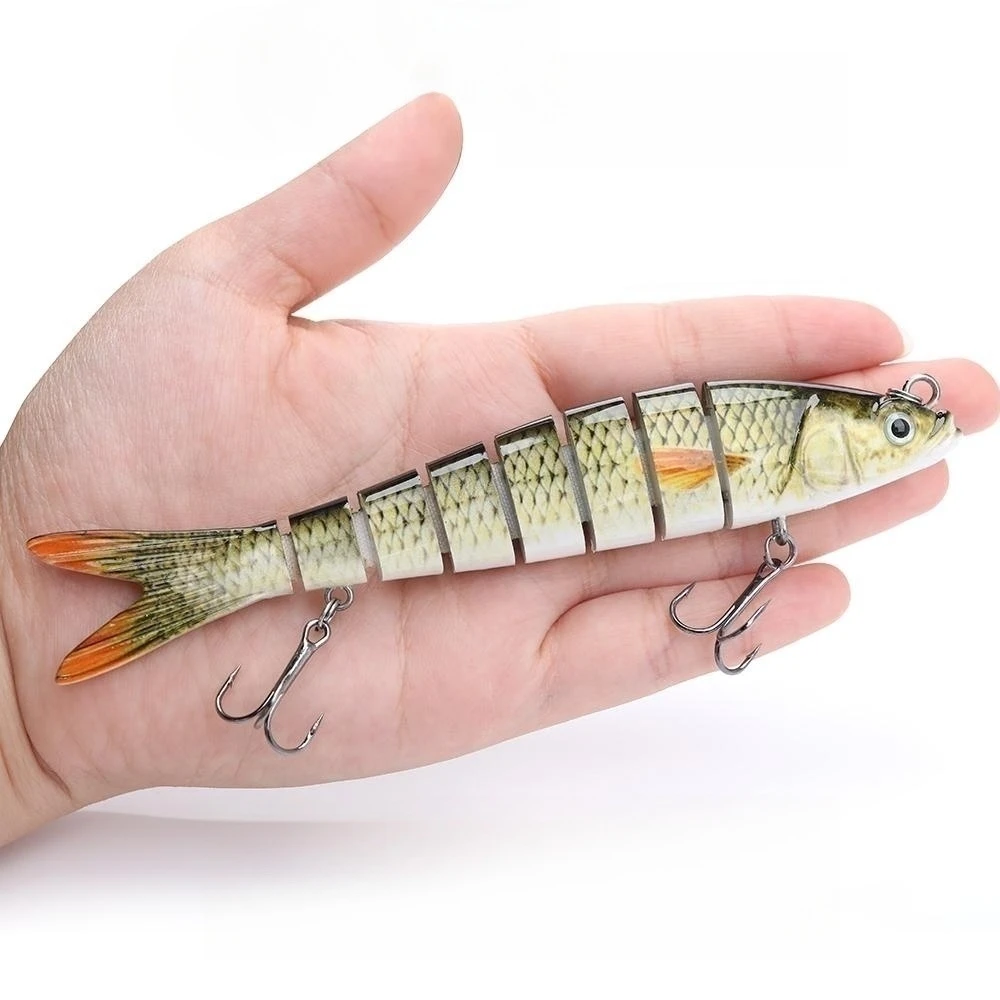
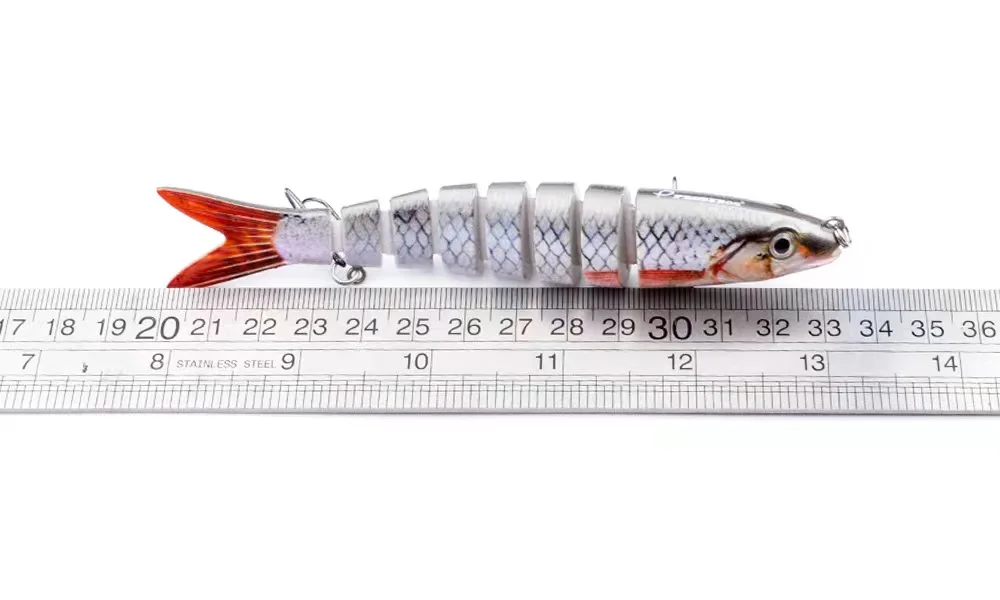
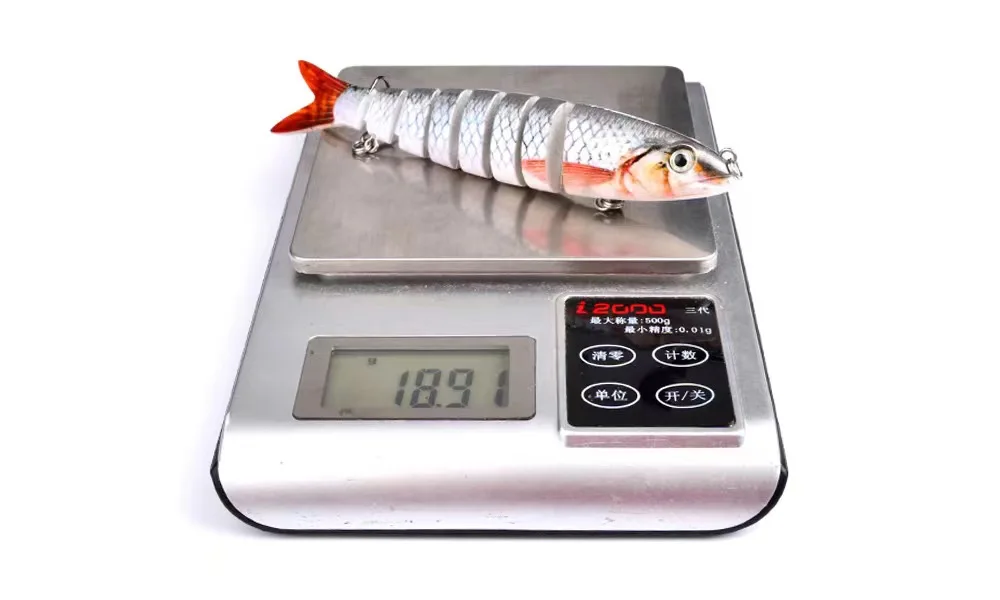
At 13.5 cm and 19 g, this hardbait is built to look and swim like a proper baitfish, not a tiny snack. The segmented body lets it kick and glide as it comes through the water, and the slow sinking design means you can count it down and run it right in front of fish that are sulking off the bank or cruising mid-depth. You cast it, start cranking, and suddenly you are doing what all the swimbait nuts on YouTube bang on about – showing them one big, believable meal instead of another tiny sweet.
The beauty for a weekend angler is that you do not need some mystical “swimbait mindset” to make this work. This multi jointed swimbait will catch fish on a simple cast and wind, but it has enough wobble and body roll that when you start playing with pauses and sweeps, it goes from “decent” to “where did that one come from”.
Why you will love this multi jointed swimbait
- Chunky size without being silly: 13.5 cm is big enough to tempt better fish but still sensible on normal bass gear.
- Decent weight: 19 g lets you punch this multi jointed swimbait a long way, even into a bit of wind.
- Slow sinking design: count it down and work different layers of the water without changing lures.
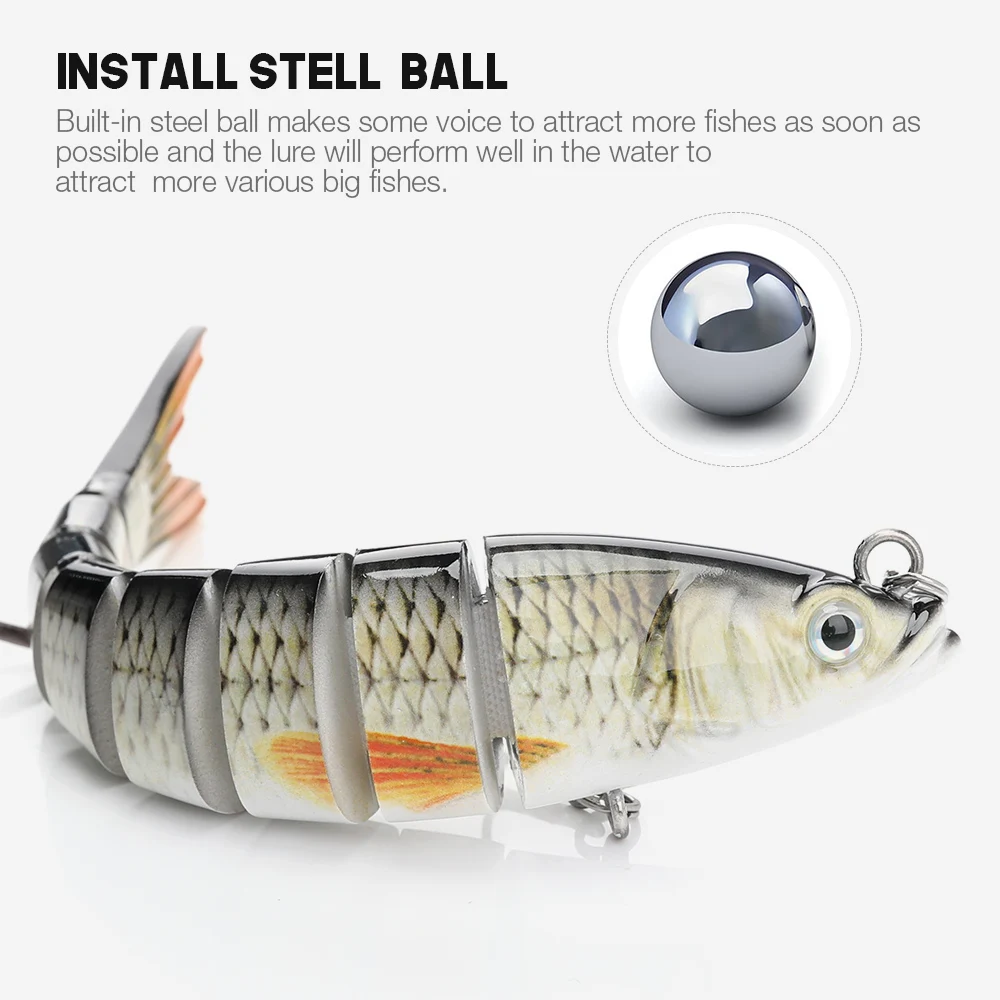
- Eight-section hard body: multi-piece ABS construction delivers a natural S-shaped swim rather than a stiff wobble.
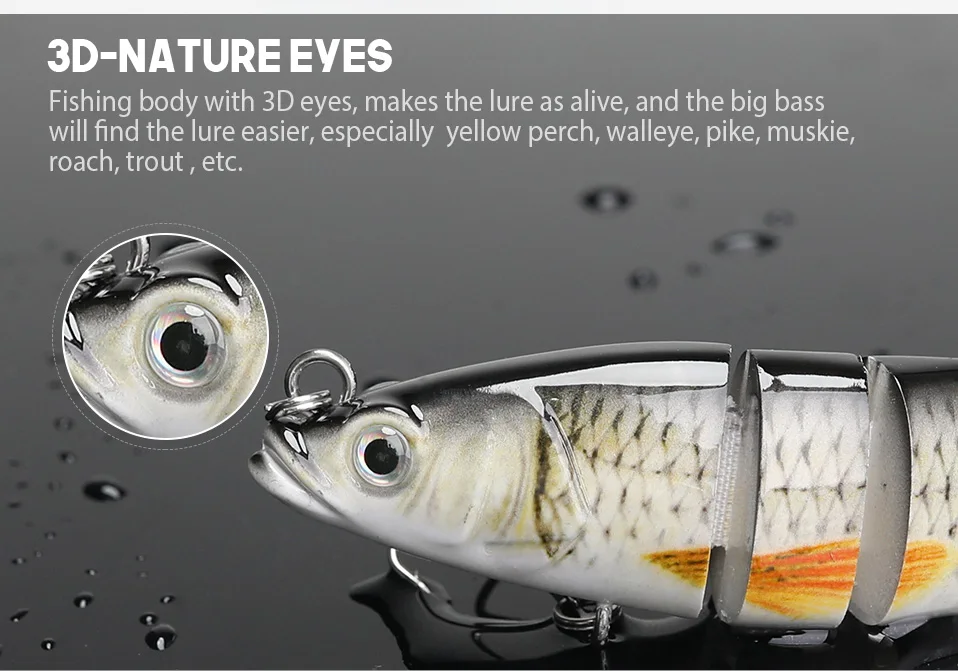
- Realistic baitfish profile: long, slim body that looks like a shad, roach or small bream trying not to die.
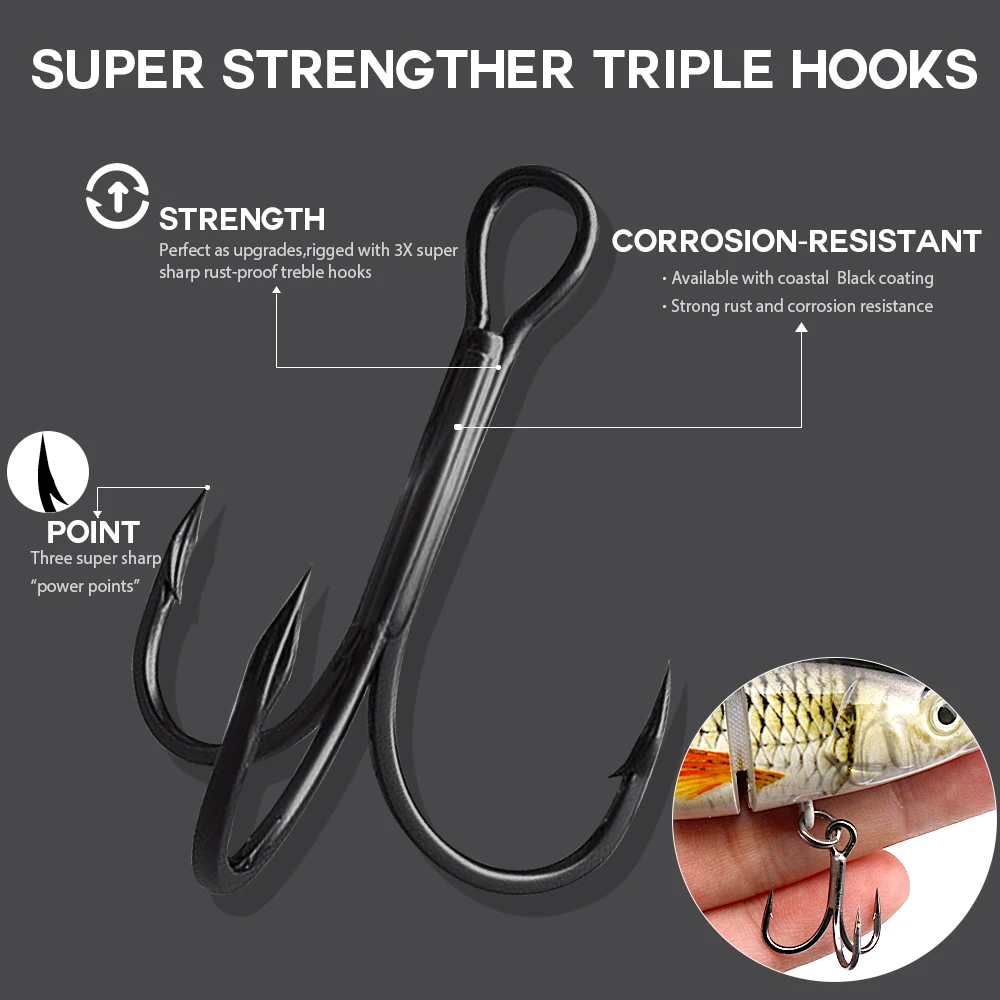
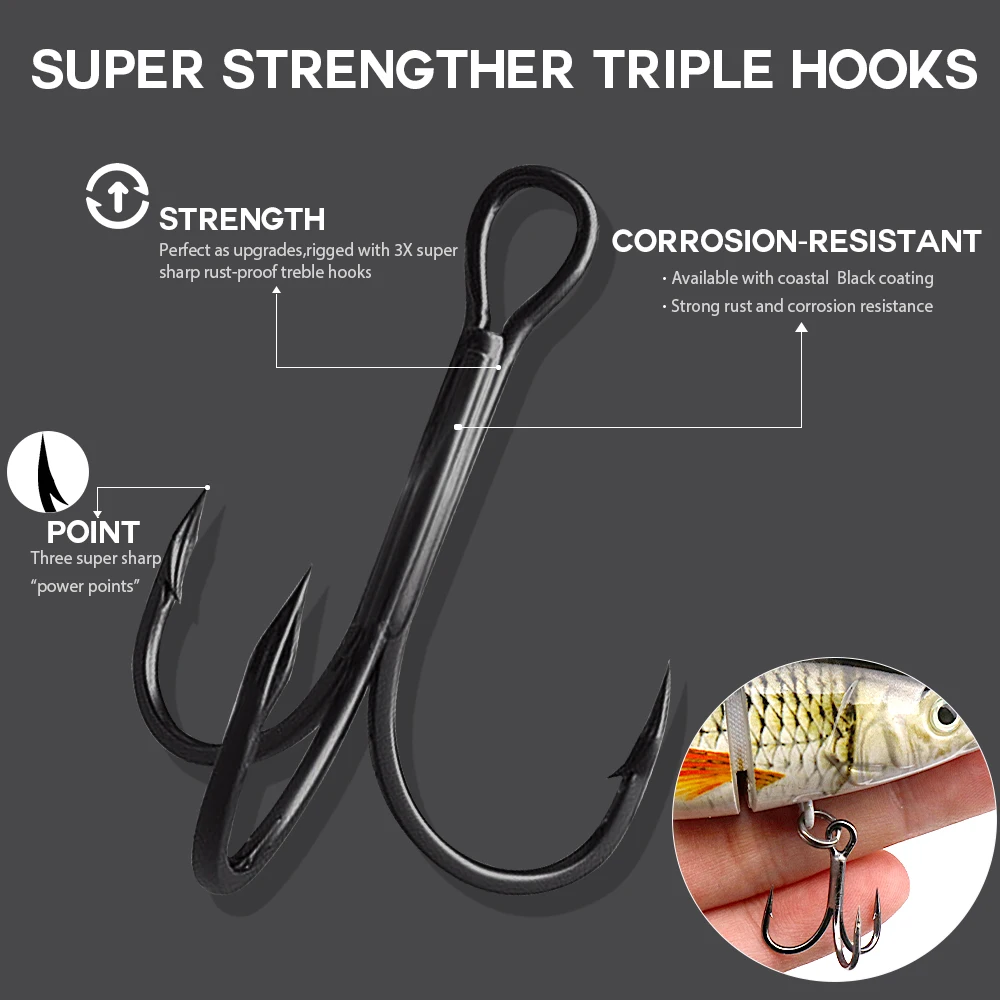
- Sharp treble hooks: built to stick fish that just shoulder it or swipe from the side.
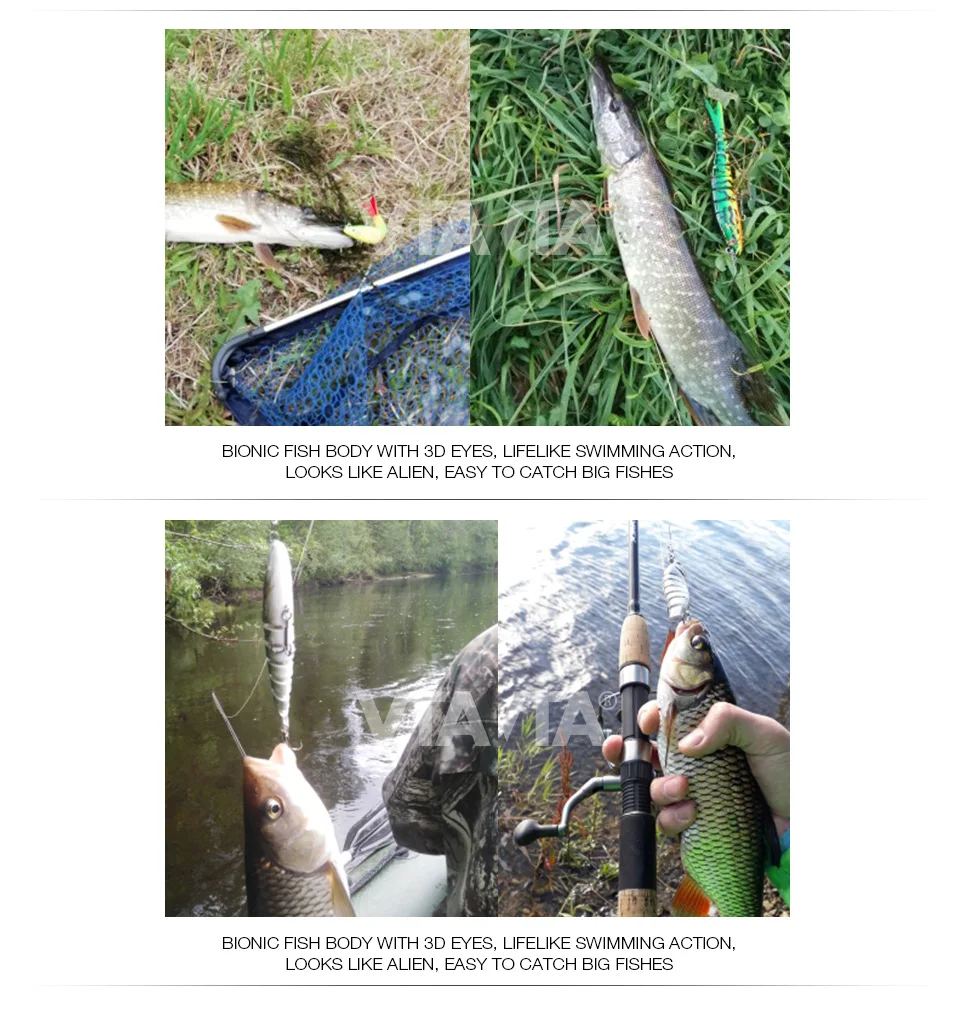
- Versatile species-wise: made for predators, so as well as bass, it will happily annoy pike, trout and anything else that eats fish.
- Bank or boat friendly: long casts and slow sink make it just as handy from the shore as it is from a deck.
How to fish this multi jointed swimbait
1. Straight retrieve – the lazy killer
- Cast the multi jointed swimbait well past your target – points, laydowns, riprap, grass lines.
- Count it down a few seconds to get it under the surface.
- Wind at a steady medium pace so you can feel it pulsing and swimming.
- Every now and then, give a little pause or a half-turn burst to make it flare and change speed.
This is basically crankbait fishing with more meat on the hook. Swimbait articles on Wired2Fish talk a lot about how simply keeping a big bait moving in front of fish will get bites when you hold your nerve and do not overwork it. If you want to dive deeper into that style of fishing, their swimbait tips hub is worth a browse:
Wired2Fish swimbait tips.
2. Slow roll and bump into things
- Throw parallel to rock banks, standing timber or the edge of a grass bed.
- Let the lure sink until you reckon it is just above the junk.
- Start a slow, steady retrieve, aiming to tick the odd rock or branch without burying the trebles.
- If you feel it bump, give it a little lift with the rod and keep winding.
Field and Stream and Outdoor Life both bang on about how important it is to make contact with cover when you are fishing hardbaits. Their big bait pieces show that a swimbait that occasionally kisses rock or timber gets noticed a lot more than one that just cruises in clean water. Have a look at Field and Stream’s big bait guide for a bit of inspiration:
Field and Stream big bait basics.
3. Stop start glide for followers
- Make a long cast over deeper water, ledges or channel swings.
- Count the multi jointed swimbait down to the level you think they are sitting.
- Give it three to five slow cranks, then pause and let it kick and sink for a second.
- Repeat all the way back, mixing up the length of the pull and the pause.
Bassmaster talks about swimbaits drawing fish that follow before they finally commit. When you start seeing followers or “ghosts” behind your bait, playing with that pull and pause is often what flips them from tyre kicking to actually eating:
Bassmaster big baits for beginners.
When to use this multi jointed swimbait
- When big baitfish are around: if there are bigger shad or panfish in the system, this matches that better meal profile.
- Low light or wind: dawn, dusk and windy banks are prime time to chuck a bigger hardbait.
- Clear to lightly stained water: the realistic profile and action shine when fish can see it coming.
- Post front moodiness: when they will not rise to a topwater but still want something with a bit of pace, this can be the middle ground.
- When you are hunting a better fish, this is not really a numbers bait; it is more “I fancy a proper one” tackle.
Does this multi jointed swimbait really catch bass?
If you show it to enough fish in the right places, yes. Swimbaits, in general, have earned their reputation because they consistently pull better bites when other stuff just gets taps. A big part of that is simply that they look like exactly what bass want to eat most of the time – other fish.
Bassmaster have written a pile of pieces on why swimbaits are so effective, especially for bigger fish, pointing out that larger lures look more natural and get less “conditioned” reactions from pressured bass: Bassmaster swimbait debate.
Wired2Fish also have full breakdowns on everything from finesse swimbaits to big hardbaits. Their tips on keeping your nerve, letting the rod load and not swinging too early are spot on for this kind of lure: Wired2Fish big swimbait tips.
What gear to throw this multi jointed swimbait on, and what else to pack
You do not need a specialist broom handle to fish this thing, but it helps to give it some proper hardware.
- Rod: a seven-foot or slightly longer medium-heavy to heavy rod with a bit of tip will handle the 19 g weight of this multi jointed swimbait nicely.
- Reel: mid-speed baitcaster or a 3000-size spinning reel, nothing fancy, just solid.
- Line: fifteen to twenty-pound fluorocarbon, or braid with a fluoro leader if you like more feel.
It is also worth having a couple of “plan B” options in the same box for when they follow but do not fully eat:
-
- When they want something tighter and quicker, a square-bill crank like the Hunthouse KVD 2.5 Square Bait Crank is a good change-up.
- If they are just nipping and missing, a smaller jerkbait such as the Fishinapot Mini Jerkbait can turn followers into biters.
- When you mark them on the bottom, and they will not chase, something slower, like the Plastic Tigertail Worm, lets you pick apart the same areas more patiently.
Specs at a glance
- Lure type: multi jointed swimbait, sinking hardbait
- Length: 13.5 cm
- Weight: 19 g
- Body: multi section ABS hard plastic construction
- Segments: eight jointed sections for an S-shaped swim
- Action: slow sinking, lifelike swimming and body roll on a steady retrieve
- Hooks: fitted with sharp treble hooks
- Target species: bass, pike, trout and other predator fish
- Colours: a mix of natural and brighter baitfish patterns
- Pack contents: one piece multi jointed swimbait
FAQ – multi jointed swimbait questions your mates actually ask
Can I fish this multi jointed swimbait from the bank?
Definitely. The 19 g weight means you can chuck it a long way, and the slow sinking design lets you cover water from just under the surface down into mid depth, all from the shore.
What line should I use with this lure?
Fifteen to twenty-pound fluorocarbon is a nice middle ground for this multi jointed swimbait. If you prefer braid, run something like thirty-pound braid with a decent fluorocarbon leader to keep it stealthy and give a bit of stretch.
Is this multi jointed swimbait only for big trophy fish?
No, you will be surprised how many “average” bass will absolutely steam into a bait this size. It does tend to bump your average size up, though, which is never a bad thing.
Do I need a special swimbait rod?
A dedicated swimbait rod is nice, but not mandatory. Bassmaster’s guides on getting started with big swimbaits mention that a solid, heavy jig rod will do the job while you are learning, and this lure sits in that comfortable crossover zone.
Will this work in really muddy water?
It will still catch the odd one, but like most swimbaits, it shines best in clear to lightly stained water where fish can see the profile and movement. In chocolate soup, you are generally better off with something louder and with more vibration.
Ready to let this multi jointed swimbait hunt?
If you have been thinking about throwing something a bit bigger and meaner than your usual crankbait, this is a cracking way in. It is heavy enough to cast, big enough to tempt a better class of fish, but still friendly on normal gear. Fish it steady, mix in a few pauses and let that jointed body do its thing. When the rod finally folds over, you will wonder why you waited this long to throw a proper multi jointed swimbait.
Clip on this multi jointed swimbait, aim at the fishiest looking stretch you can see and just start winding – when it suddenly feels heavy and kicks back, pretend you totally meant that.
Real customer reviews