
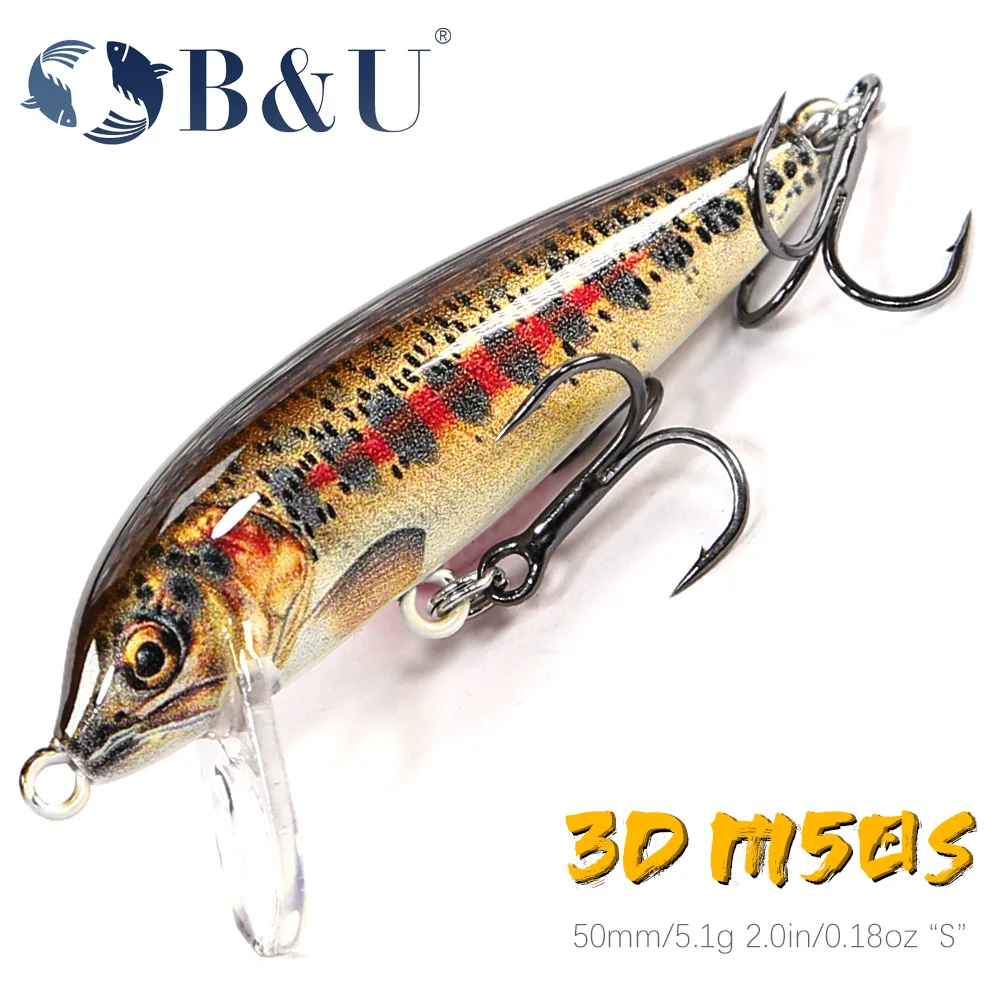
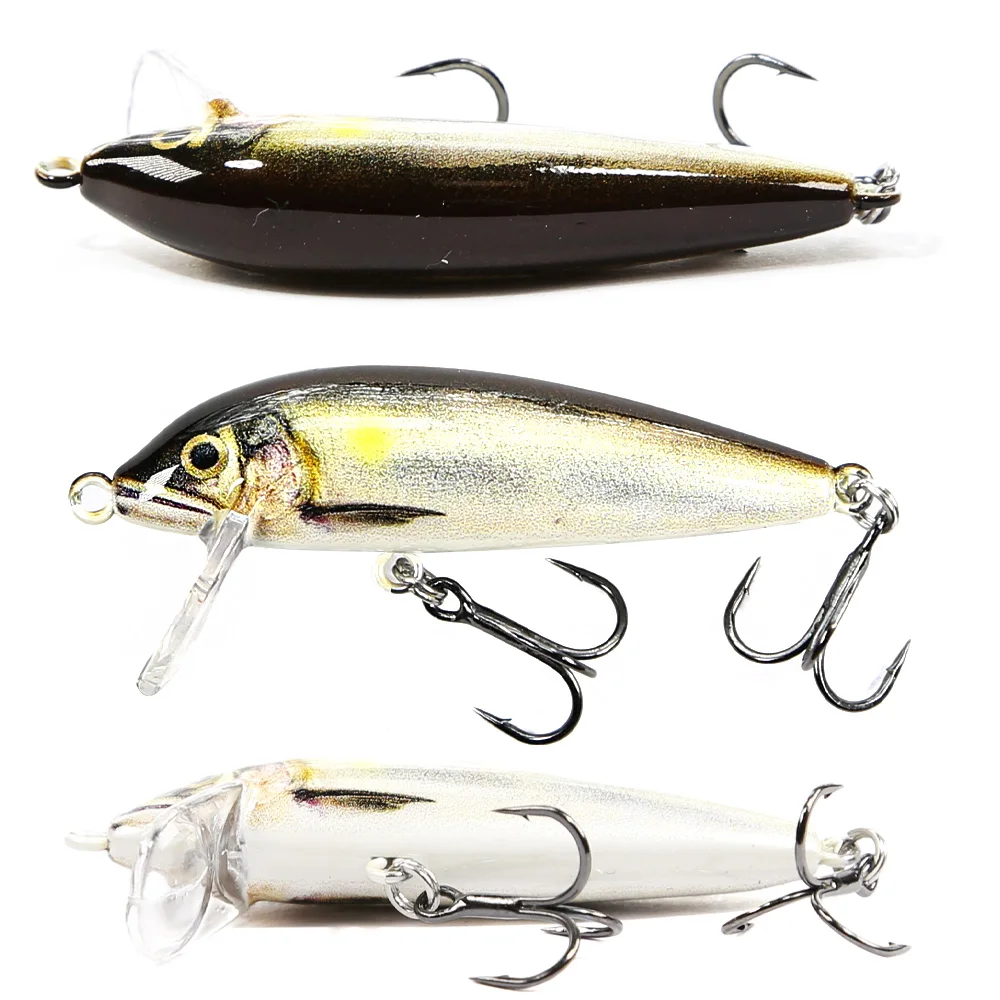
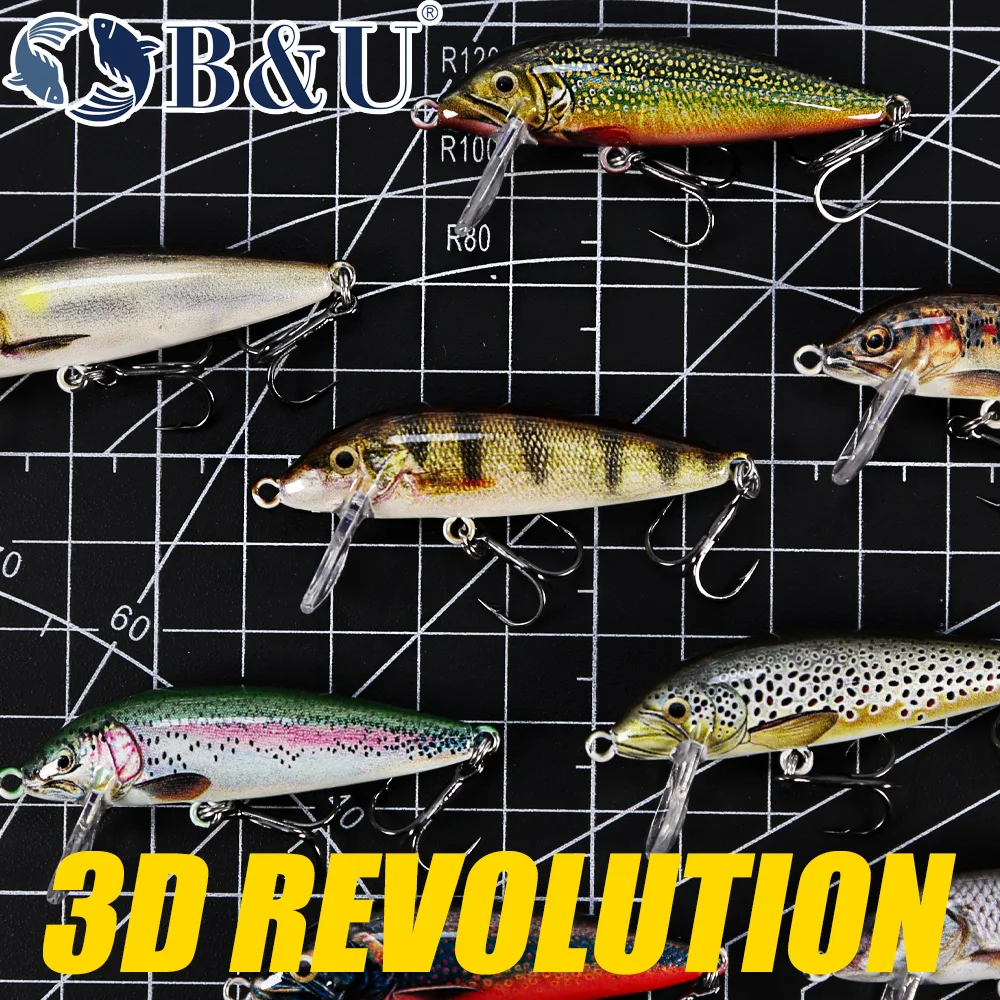
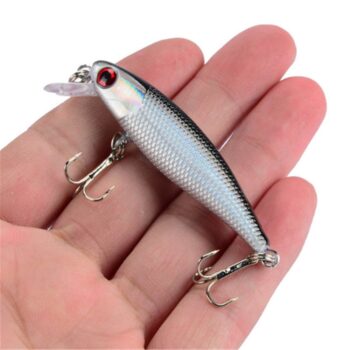
If you like throwing small hard baits at angry fish, the BU sinking minnow wobbler sits right in that sweet spot between a classic crankbait and a finesse jerkbait. It is a compact sinking hard bait with a realistic minnow shape, bright printed patterns and sharp trebles, built to tempt bass, perch, pike and trout that are locked onto little baitfish. Count it down, twitch it and hang on – this is exactly the sort of lure that gets hammered by fish that have seen one soft plastic too many.
Why This Lure Works
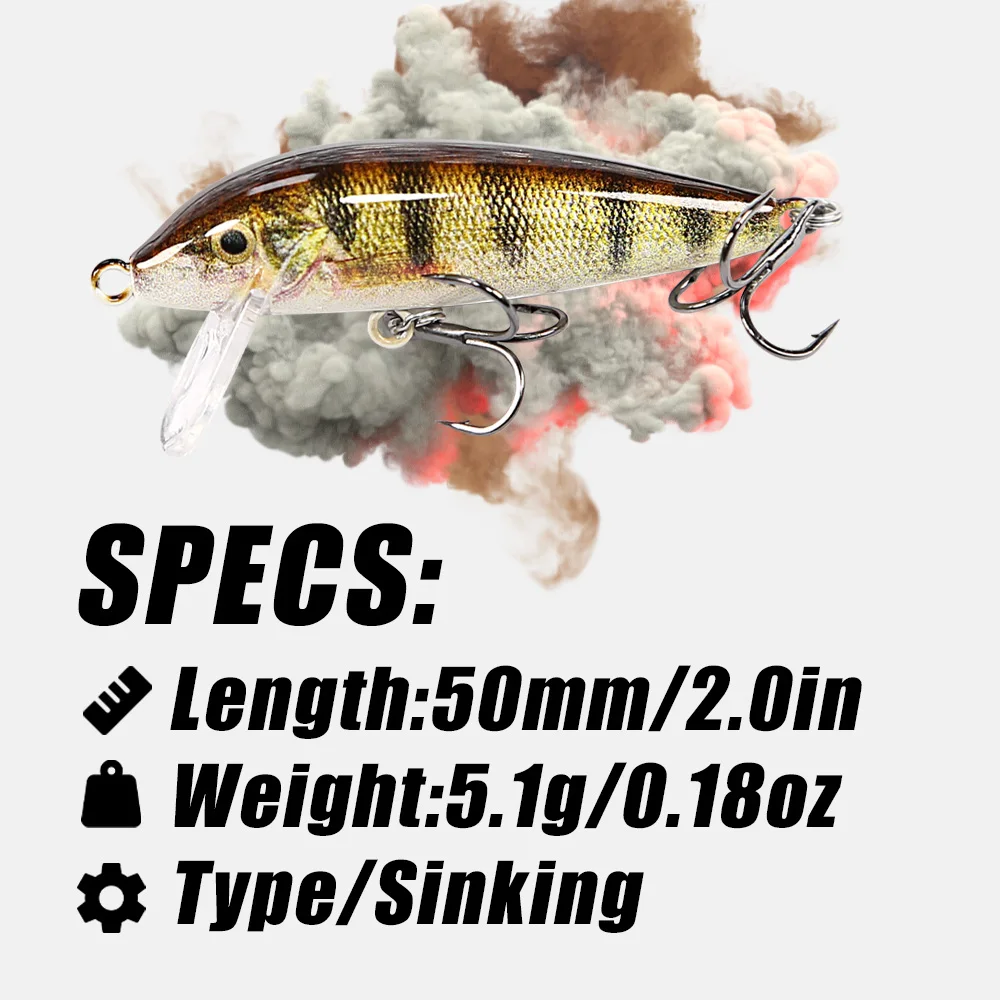
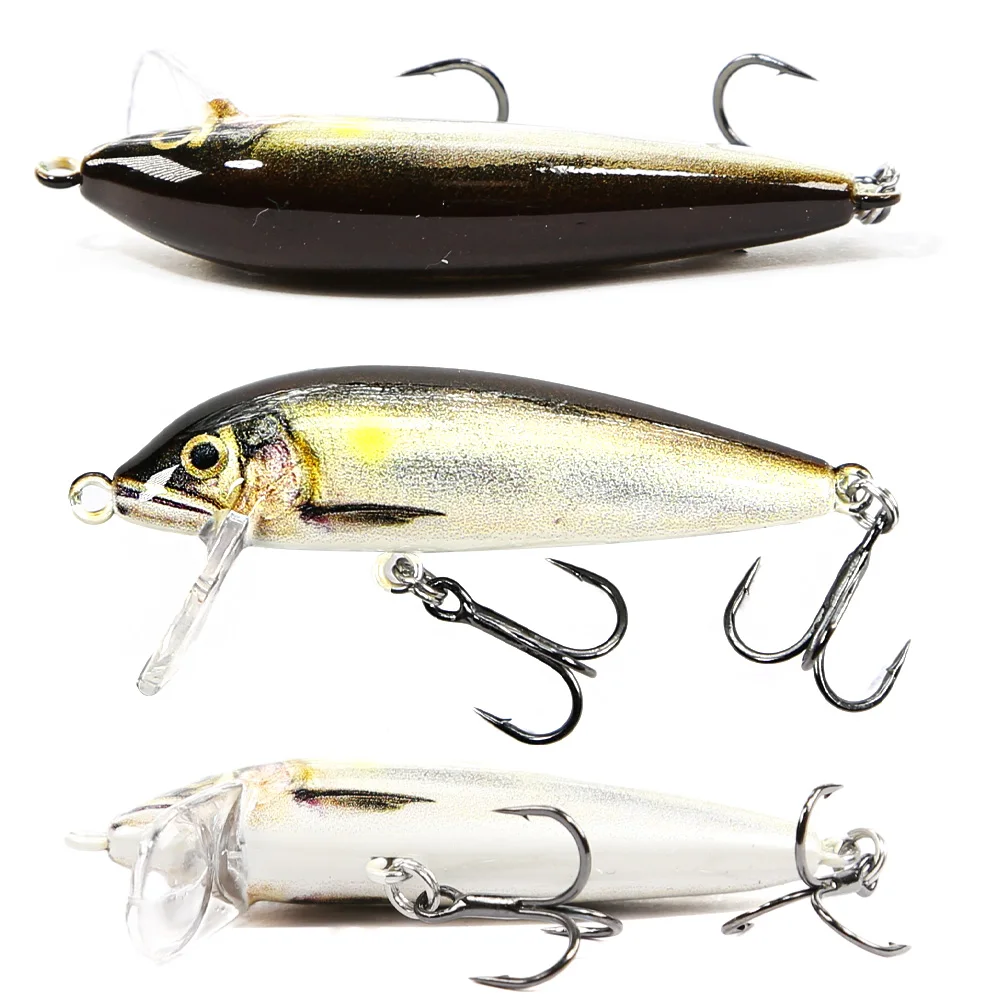
The BU sinking minnow wobbler is all about looking like an easy meal without screaming “fake” from a mile away. The body uses a slim, realistic minnow profile in tough ABS plastic with printed patterns and 3D-style eyes, just like the B&U sinking minnows you will see on Temu and AliExpress. That shape lets it dart and wobble like a wounded fry when you give it a bit of rod work, and the sinking build means you can fish it from just under the surface down into mid-depths where predators cruise.
The lure’s weight is concentrated enough to cast well on light or medium-light gear, but not so heavy that it turns into a metal jig. On the drop, the BU sinking minnow wobbler falls with a tight shimmy rather than just plummeting, flashing its flanks as it goes. That “shimmy on the sink” is a big part of why sinking minnows catch fish – they are doing something attractive even when you are not winding.
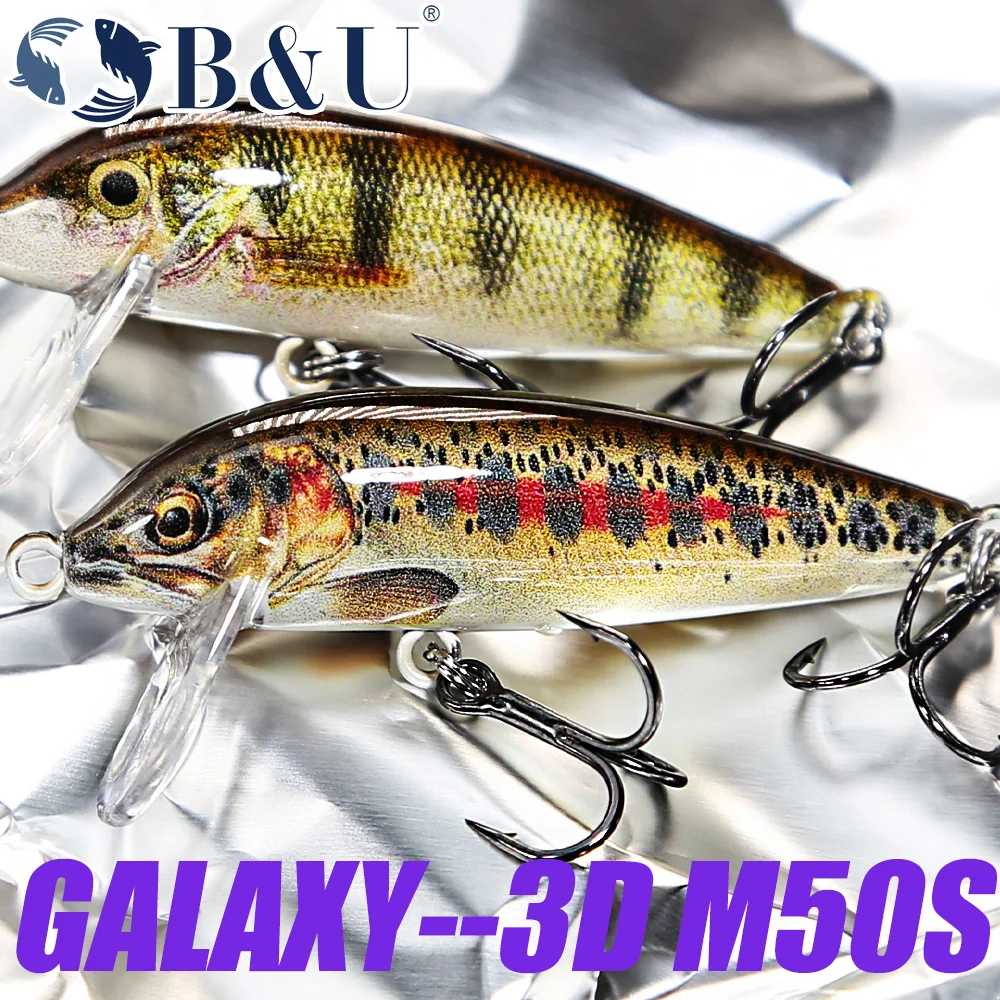
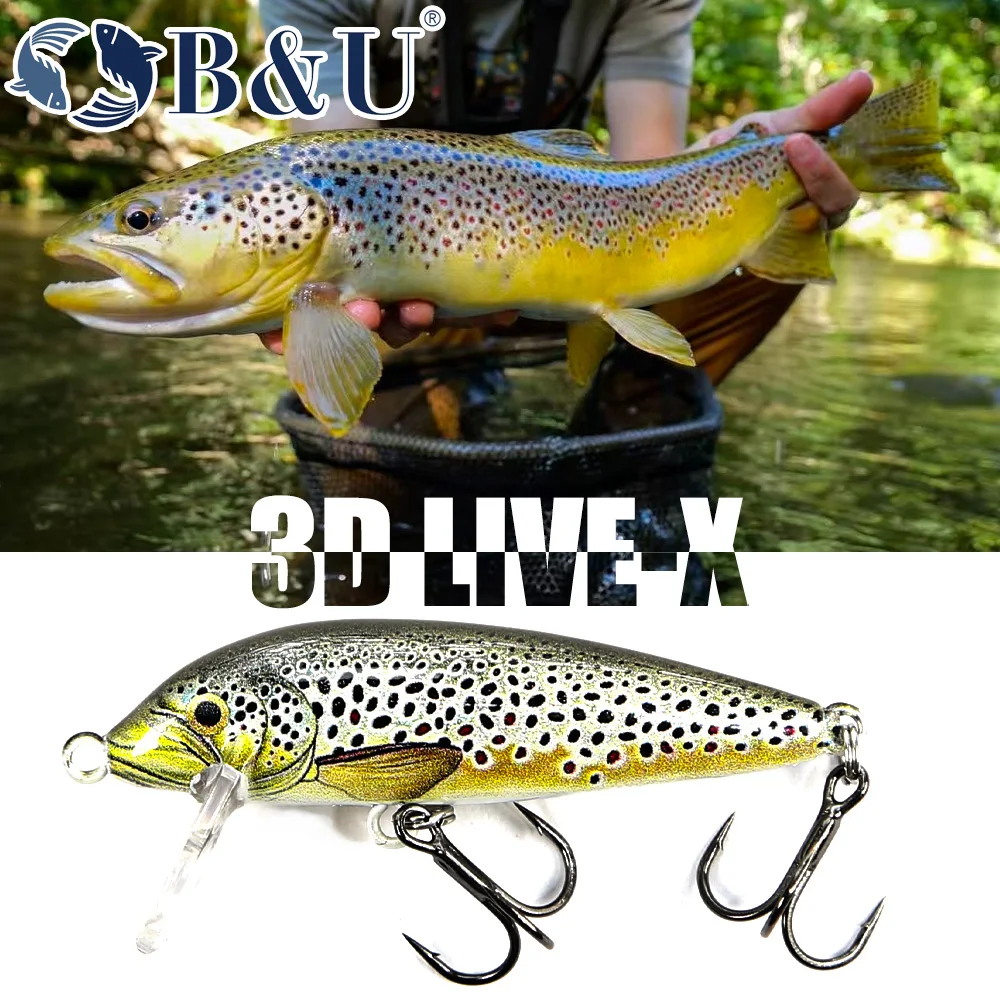
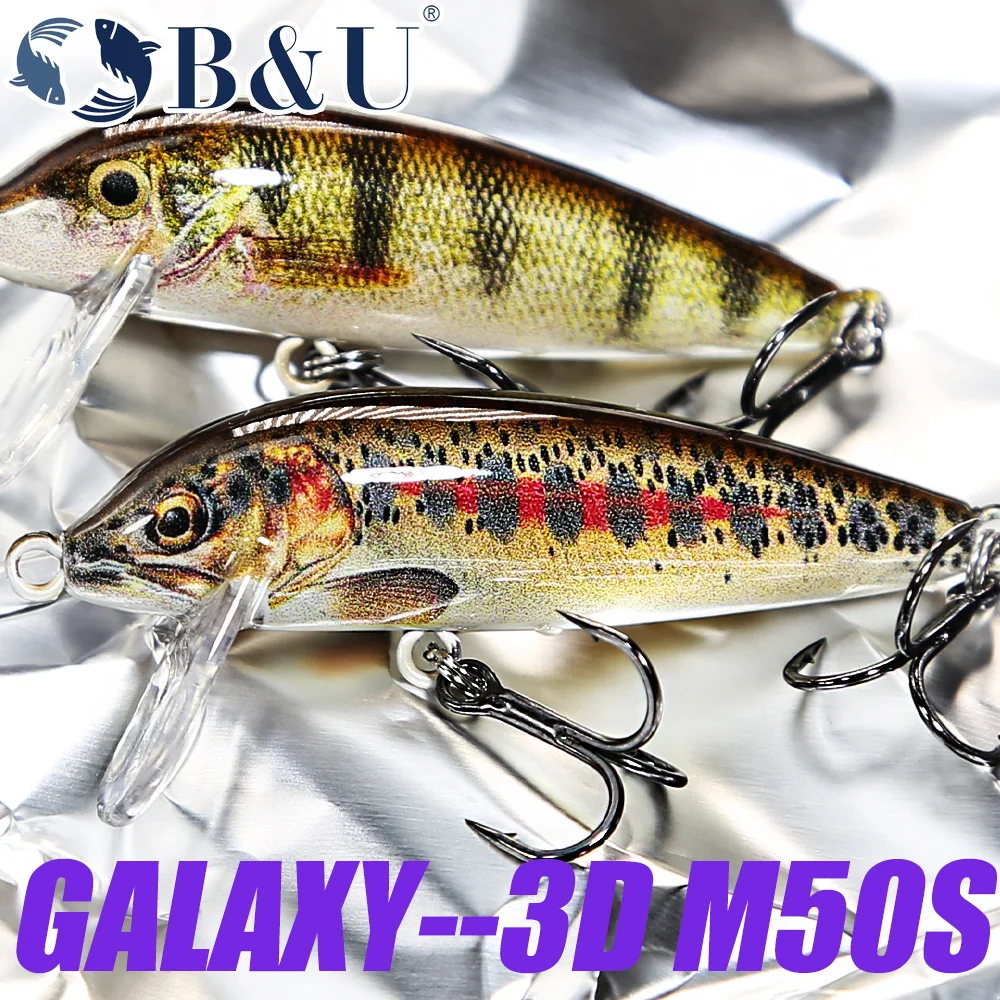
Sharp treble hooks and decent split rings on the BU sinking minnow wobbler mean you are not immediately swapping hardware before you even tie it on. Colour-wise, these B&U-style minnows are sold in a mix of baitfish tones – silvers, greens, yellows and more natural patterns – so you can match the hatch reasonably well whether you are chasing perch in a clear canal or trout in a small river. It is the same logic you will see in other sinking minnow hard baits on your site, like the 13 g sinking minnow fishing lure that runs a similar “flashy baitfish” play.
How To Fish It
The beauty of the BU sinking minnow wobbler is that it fishes well even if you are just doing a simple cast-and-wind, but it really shines when you give it a bit of jerkbait-style cadence. From the bank or boat, cast it slightly past your target, keep light tension on the line so it does not tumble, and then give it a short count to sink into the top of the strike zone. Because it is a sinking minnow you control the depth – one or two seconds for shallow work, more if you want it down with the deeper fish.
Once it is down, start with a steady retrieve and layer in short rod twitches. A classic “twitch-twitch-pause” cadence works brilliantly, just as jerkbait pros bang on about in pieces like Bassmaster’s jerkbait techniques for every season. Two quick pops to kick the BU sinking minnow wobbler sideways, then a short pause on semi-slack line to let it shimmy and sink – that is often when a bass or perch nails it.
In rivers, cast slightly upstream or across the flow and let the BU sinking minnow wobbler swing down and across. Use the current to keep the lure working while you guide it around boulders, laydowns and seams. A couple of sharp twitches as it comes past the sweet spot will often trigger fish that were just following behind. Trout, chub and small river pike all love that wounded, drifting-fry look.
You can also wind it more steadily in lakes and canals, letting the tight wobble and printed patterns do the selling. If you need inspiration on mixing speeds and pauses with minnow-style baits, the lads at Wired2Fish’s minnow bait guide dig into exactly how subtle changes in retrieve can wake up followers and turn them into biters.
When To Use It
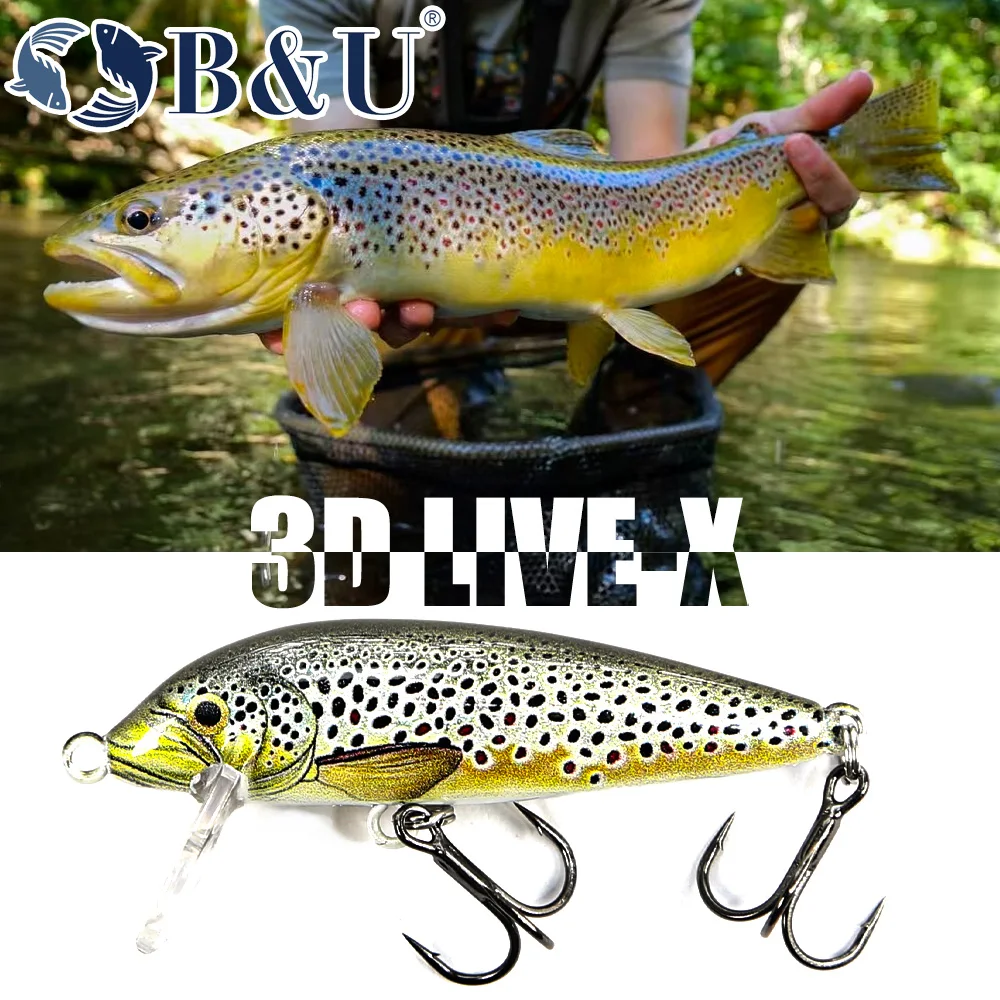
The BU sinking minnow wobbler is a “small baitfish” impression, so use it whenever predators are keyed in on little stuff rather than big meals. Spring and early summer are obvious, when fry, yearling perch and small shiners are everywhere, but do not sleep on autumn either – fish will happily hammer smaller baits when they are ganged up on shoals.
In clear water with decent visibility, the realistic profile and printed patterns really come into their own. This is where you can work the BU sinking minnow wobbler around weed edges, over shallow flats and along clean rock banks, letting fish get a good look at it without spooking. On bright days, pick a more natural or translucent colour; when it is dull or the water has a bit of colour, something with more flash or contrast can be the ticket.
It is also a great “confidence bait” when fish are following but not eating your bigger cranks or jerkbaits. Drop down to the BU sinking minnow wobbler, slow your cadence slightly and give them something that looks easier to eat. On pressured waters, those little tweaks in profile and speed can make all the difference.
Does It Actually Catch Fish?
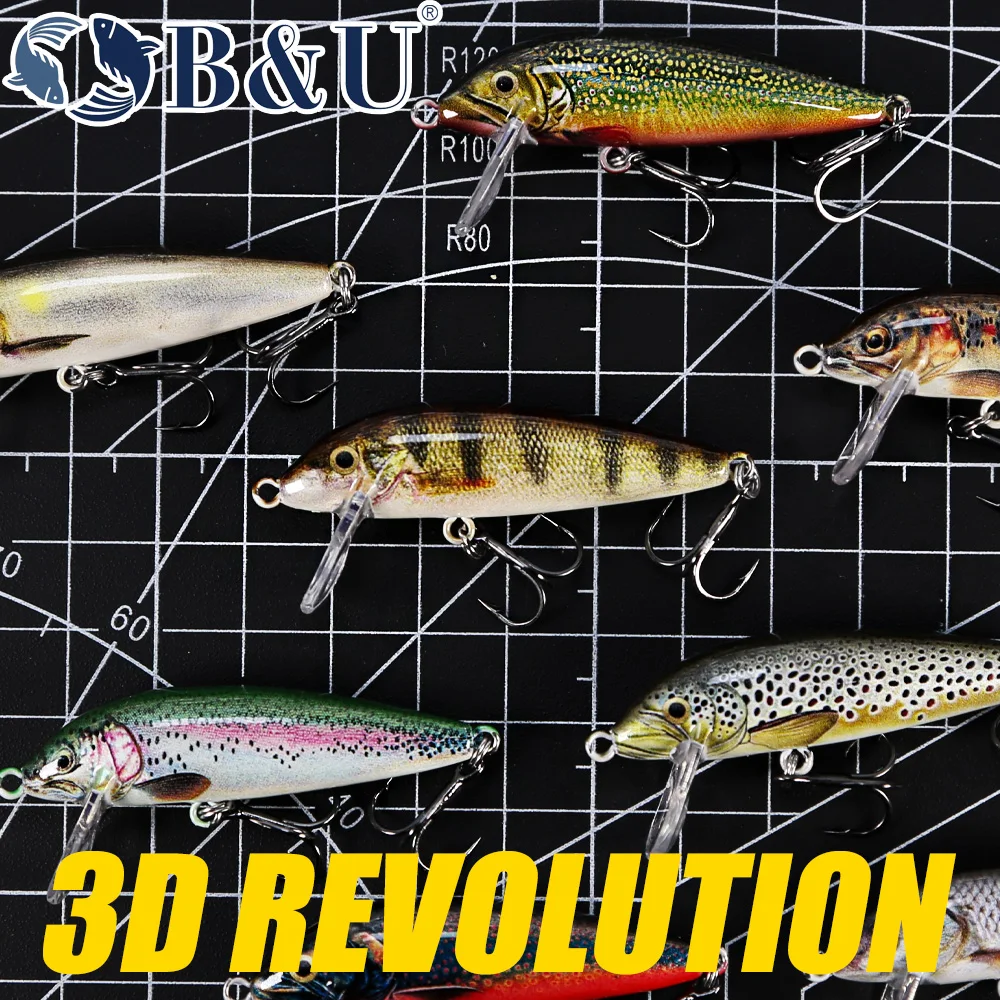
Mini and mid-sized sinking minnows like the BU sinking minnow wobbler are not some weird gimmick – they are a whole category of lures that get used hard by people who fish a lot. Similar B&U branded sinking minnows on Temu and AliExpress are sold specifically for perch, trout and bass because they simply match what those species eat most of the time: small, nervous baitfish that are just a bit too slow.
On your own site, the other sinking minnow models – like the Mini Sinking Minnow review and the heavier sea-bass style heavy sinking minnow lure – lean on the same idea and have earned their place by catching fish. The BU sinking minnow wobbler just slides into that lineup as a compact, do-it-all, chuck-and-twitch option for smaller venues and more finesse-y sessions.
Gear Pairing
The BU sinking minnow wobbler is happiest on light and medium-light outfits. Think a 6 ft–7 ft rod rated somewhere around 3–14 g or 5–15 g, with a fairly fast tip so you can work it like a jerkbait without feeling like you are swinging a broom handle. A 1000–2500 size spinning reel is perfect, spooled with 6–10 lb mono or fluoro, or 8–15 lb braid with a 6–10 lb leader if you like the extra sensitivity.
On tiny streams and canals, you can even drop into BFS or ultralight territory as long as the rod will comfortably cast the lure weight. Match the rod and reel to what you already use for your other small hard baits – the gear that suits your 13 g sinking minnow or your mini crankbaits will absolutely suit the BU sinking minnow wobbler too.
If you want to go deeper on hard bait and jerkbait setups in general, there is a ton of useful real-world talk in Bassmaster’s jerkbait-for-all-seasons features, where pros break down rod length, line choice and cadence across the year. The short version: reasonably light line, a crisp rod and a reel that does not grind like a cement mixer, and you are good to go.
Specs
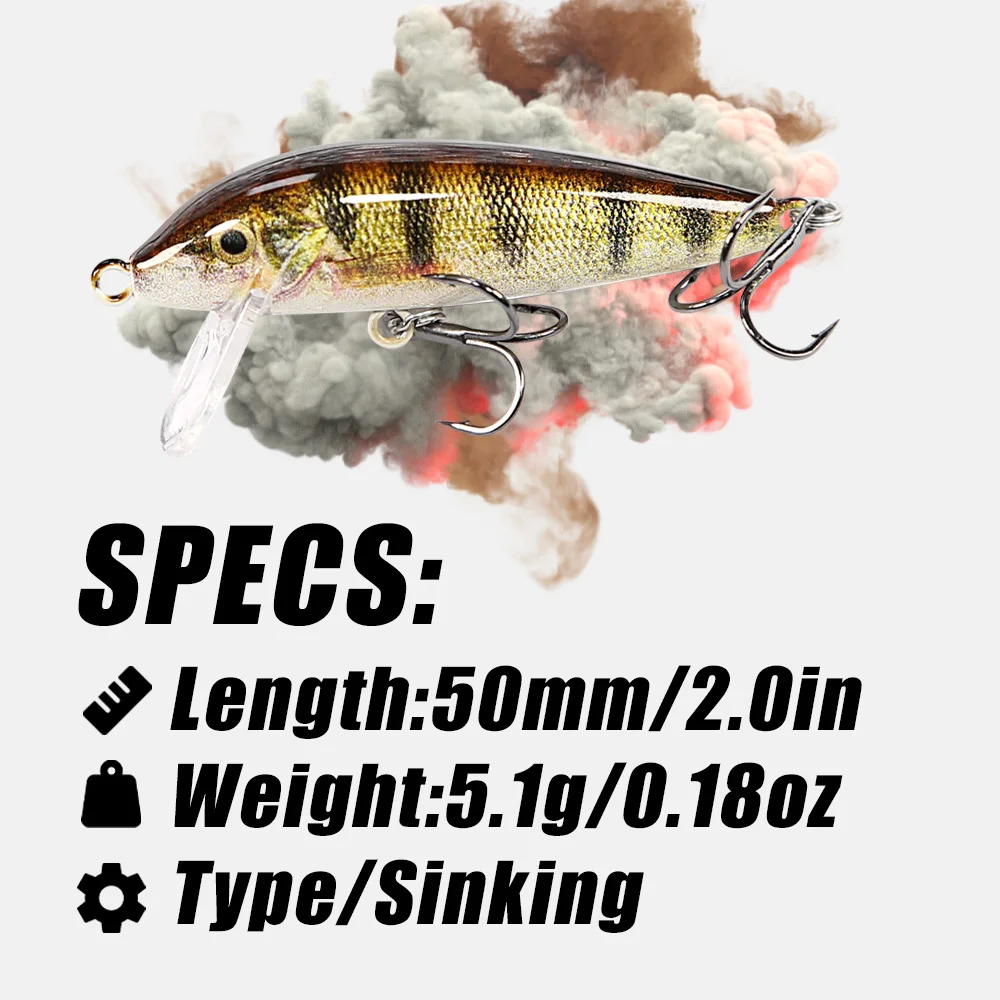
- Product name: BU Sinking Minnow Wobblers Fishing Lures For Bass, Perch, Pike, Trout
- Brand: B&U (BU)
- Type: BU sinking minnow wobbler / hard bait jerkbait
- Body material: ABS hard plastic with printed minnow patterns
- Buoyancy: Sinking minnow hard bait
- Target species: Bass, perch, pike, trout and other small to medium predators
- Action: Tight wobble and darting minnow action, with a shimmy on the sink
- Hooks: Treble hooks with split rings (typical B&U sinking minnow hardware)
- Colours: Multiple baitfish-style colours and mixed patterns depending on stock
- Use: Casting and twitching in rivers, canals, lakes and small reservoirs
FAQ
Is the BU sinking minnow wobbler just for perch and trout?
No – the BU sinking minnow wobbler is great for perch and trout, but it also works well on smaller bass and pike wherever fish are feeding on little baitfish. Match your line and leader to the size of the predators you are after.
How deep does the BU sinking minnow wobbler run?
Because it is a sinking minnow, the running depth depends on your sink time and retrieve speed. Count it down a few seconds for mid-depth work, or let it drop longer if you want it closer to the bottom in deeper lakes and rivers.
Can I fish the BU sinking minnow wobbler in fast current?
Yes. Cast slightly upstream or across, let it sink a little, then work it back with controlled twitches as it swings through the seam. The compact shape of the BU sinking minnow wobbler helps it track steadily without spinning out.
What line is best for this lure?
For most fishing, 6–10 lb mono or fluoro or 8–15 lb braid with a leader is perfect. Go lighter for trout and small perch, and a touch heavier if you expect pike or bigger bass to show up.
When should I pick the BU sinking minnow wobbler over a soft plastic?
Reach for the BU sinking minnow wobbler when you want more cast distance, a bit more flash, or a tighter, more aggressive wobble. It is especially useful in clear water with active fish that are chasing bait rather than sulking on the bottom.
Final Verdict
If you are building a little box of “always tied on” hard baits, the BU sinking minnow wobbler deserves a slot. It is realistic, tough, easy to fish and deadly when predators are dialled in on small fry. You can crawl it, twitch it, burn it or let it shimmy down through a shoal – either way, it looks like lunch to anything with attitude.
Used alongside your other sinking minnows and jerkbaits, it gives you a compact, do-it-all option for canals, rivers and smaller lakes where a huge plug just looks out of place. Tie it on, mess around with your cadence until the bites start, and then try to wipe the grin off your face when something strips line on a light rod.
Slip a BU sinking minnow wobbler into your pocket box and you will always have a little troublemaker ready when fish start chasing fry.
Real customer reviews